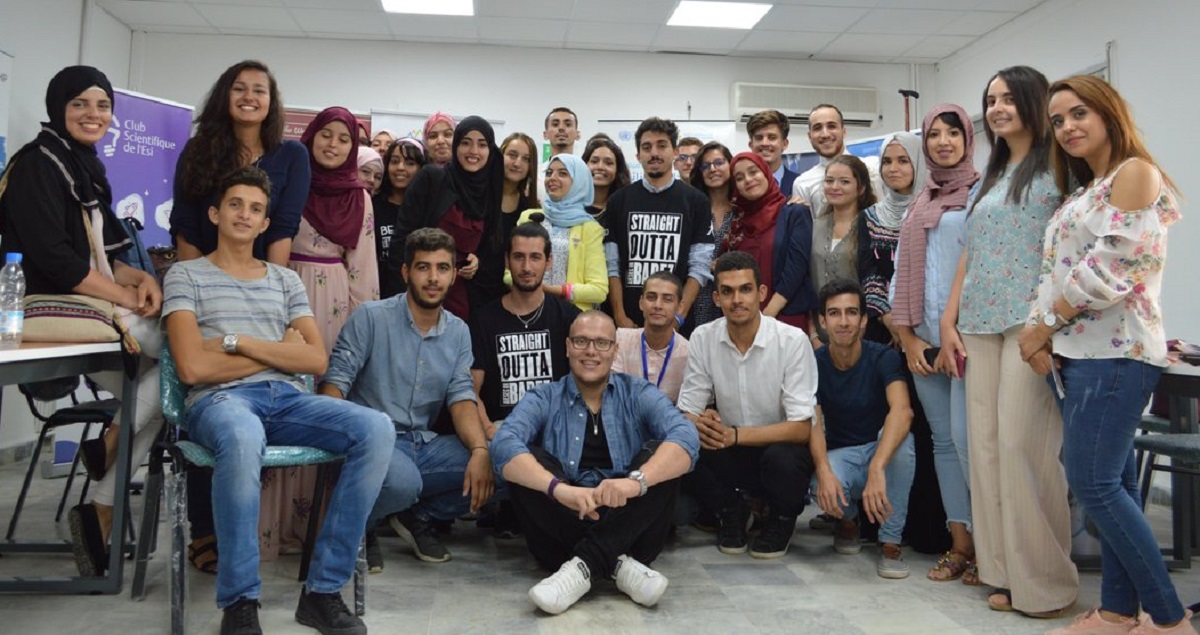
In recent years, the concept of major transformation in Arab communities has become a tangible reality, evolving from mere theoretical ideas into a lifestyle that contributes to shaping the future of upcoming generations.
This transformation was not coincidental; it resulted from continuous efforts by governments and local communities striving to achieve sustainable development and enhance human values.
Details of the Transformation
This journey includes a range of initiatives aimed at improving quality of life through education, health, and the environment. For instance, educational programs focusing on life skills have been launched, enhancing the ability of youth to face challenges.
Additionally, environmental projects have been developed to preserve natural resources, reflecting the communities' commitment to achieving sustainable development. These projects include tree planting, waste recycling, and the use of renewable energy.
Background & Context
Historically, the Arab region has faced numerous economic and social challenges, leading to an urgent need to rethink development strategies. The shift towards a new way of life represents a response to these challenges.
In recent years, many Arab countries have begun implementing reform plans aimed at improving living standards and enhancing community participation, contributing to creating a conducive environment for transformation.
Impact & Consequences
This transformation has positive effects on various levels, contributing to enhancing social and economic stability. It also fosters a spirit of cooperation among community members, helping to build a more cohesive society.
Moreover, the shift towards a new way of life reflects the commitment of Arab countries to achieve sustainable development goals, enhancing their status on the international stage.
Regional Significance
The significant transformation in Arab communities serves as a model to be emulated in the region, as these experiences can inspire other countries striving for sustainable development. The success of these initiatives could have positive repercussions on regional stability.
In conclusion, this transformation represents an important step towards building a better future for upcoming generations, showcasing the ability of Arab communities to adapt to challenges and achieve sustainable development.