During his visit to Cirebon, West Java Governor Ridwan Kamil asserted that culture should be regarded as a strong economic identity contributing to the sustainable development of the region. He explained that culture is not merely a historical legacy but should be promoted as a living force that enhances the local economy.
Kamil stated that regions capable of building a brand based on culture will enjoy greater competitiveness. He pointed out that transforming culture into an economic tool requires investment in cultural infrastructure and raising community awareness about the importance of cultural heritage.
Event Details
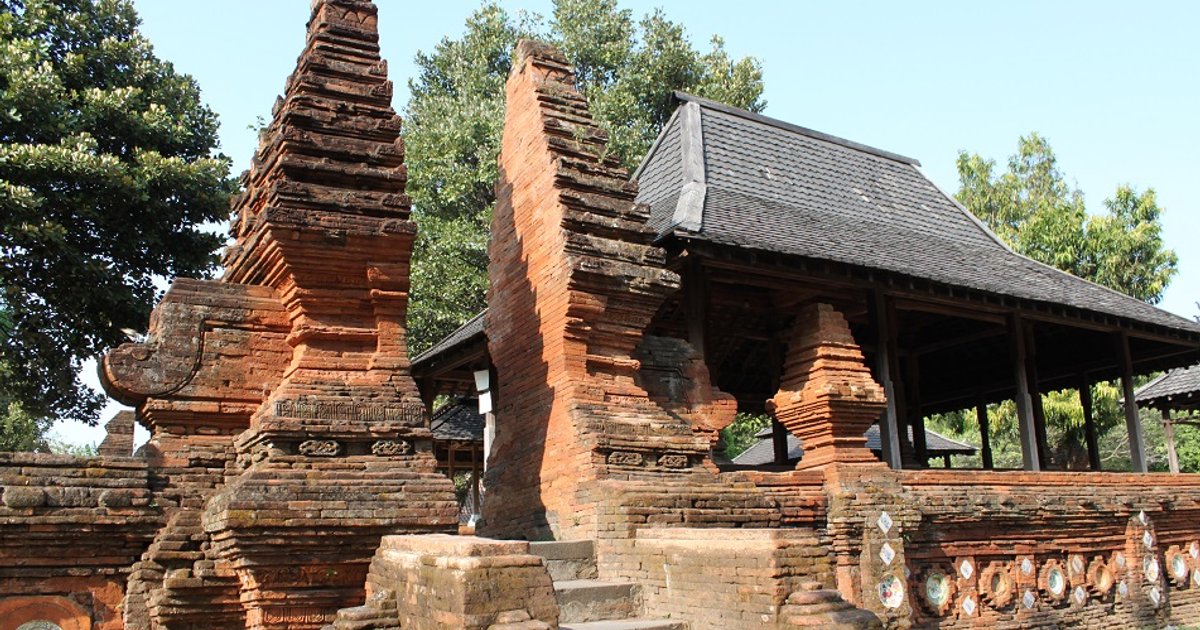
During his visit, Kamil highlighted that Cirebon possesses immense cultural potential that can be harnessed as a catalyst for development. He stressed the necessity of preserving historical heritage, including royal palaces that represent the center of civilization in the region. He also called for the improvement of local architecture and the enhancement of historical values associated with prominent figures such as Sunan Gunung Jati, who is considered part of the city’s cultural identity.
Kamil emphasized the importance of building community character to support tourism management, citing successful models like Yogyakarta and Bali that boast strong cultural identities. He explained that Cirebon has significant cultural power that should be utilized as a symbol of development.
Background & Context
Historically, Cirebon is one of the important cities in Indonesia, having been a commercial and cultural center throughout the ages. The city dates back to the 15th century, known for its strategic location on the northern coast of Java Island. Over time, Cirebon became a center for Islamic culture in the region, giving it a distinctive cultural character.
The Indonesian government is currently striving to enhance sustainable development by leveraging culture as a means to boost the local economy. In this context, Kamil's statements represent a significant step towards achieving this goal, demonstrating the government's commitment to promoting cultural identity as part of its development strategy.
Impact & Consequences
Transforming culture into an economic identity can lead to a significant shift in how tourism and economic development are managed in Cirebon. By enhancing culture, the city can attract more tourists and increase investments in cultural infrastructure, leading to the creation of new job opportunities and improving the living standards of local residents.
Moreover, focusing on culture can enhance community awareness of the importance of cultural heritage, contributing to the preservation of cultural identity for future generations. Thus, this approach can be seen as a model to be emulated in other regions of Indonesia and around the world.
Regional Significance
The experience of Cirebon illustrates the importance of culture as a fundamental element in economic development, which can serve as a crucial lesson for Arab countries seeking to enhance their cultural identity. Amid the economic challenges faced by many Arab nations, culture and cultural tourism can be effective tools for promoting economic growth.
Furthermore, enhancing cultural identity can contribute to fostering national unity and pride in cultural heritage, thereby promoting social and economic stability in the region.