The culture of brotherhood in Spain, especially in the Andalusia region, is experiencing a radical shift towards popular culture, as these traditions have become an integral part of the daily lives of young people. With the increasing use of social media, this culture has begun to transcend its traditional boundaries to become a widespread commercial and social phenomenon.
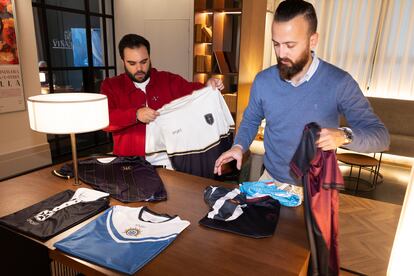
The new products include a variety of games such as Playmobil toys that reenact brotherhood processions, in addition to sportswear that features symbols reflecting these traditions. Board games inspired by this culture have also been launched, showcasing the younger generation's desire to blend heritage with modern lifestyles.
Event Details
The popularity of products associated with brotherhood is on the rise, as reports indicate that young people are eager to spend money on these items, reflecting their passion for cultural traditions. For instance, a collection of socks featuring images of brotherhood icons has been launched, along with collectible cards depicting scenes from Semana Santa processions.
Moreover, companies have started designing board games like Trivial and Uno in a style that aligns with brotherhood culture, allowing people to enjoy new experiences that reflect their traditions. These products are no longer targeted solely at children; they are also attracting adults who wish to relive their childhood memories.
Background & Context
Historically, brotherhoods were considered part of the religious and social traditions in Spain, expressing the cultural and religious identity of the people. Over time, these traditions have undergone significant changes, especially with the advent of social media, which has contributed to the broader dissemination of this culture.
In recent years, brotherhoods in Spain, particularly in Andalusia, have begun to reassess their role in society, as they are now viewed as more than just religious gatherings but as social movements that enhance cultural identity. This transformation has led to increased interest in products related to brotherhood, resulting in the emergence of a new market that reflects this interest.
Impact & Consequences
This phenomenon embodies broader social and cultural changes within Spanish society, reflecting the younger generations' desire to redefine traditions in a manner that aligns with their lifestyles. This trend towards integrating heritage with commercial innovation demonstrates how traditions can adapt to modern times.
Additionally, this shift has significant economic implications, as these products contribute to supporting the local economy by creating new job opportunities and boosting tourism. Companies investing in this sector are witnessing increased demand, reflecting their success in meeting market needs.
Regional Significance
This phenomenon can be seen as a model for the Arab region, where rich cultural traditions can be integrated with commercial innovations. Arab countries can benefit from this model by developing products that reflect their cultural heritage, thereby enhancing national identity and boosting the local economy.
In conclusion, this transformation in brotherhood culture illustrates how traditions can evolve and adapt over time, emphasizing the importance of cultural heritage in the lives of new generations.