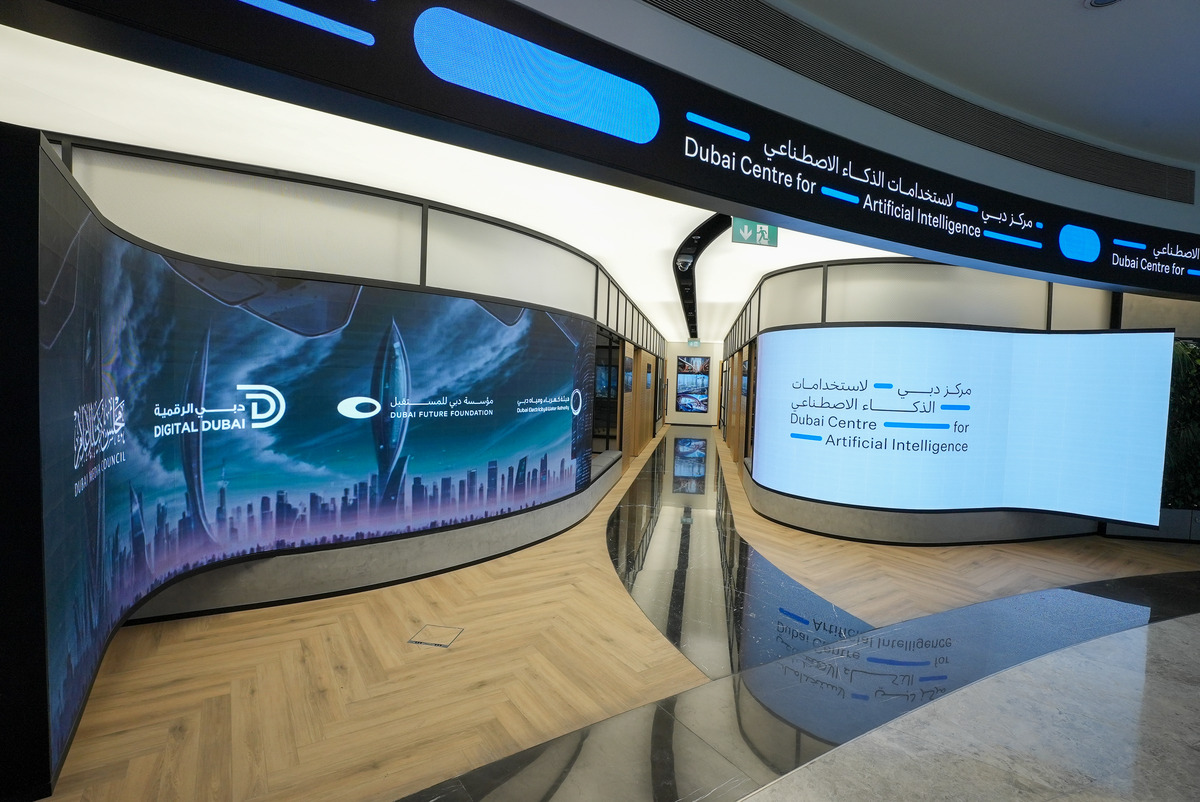
Dubai's government is preparing to revolutionize the lives of UAE residents by implementing artificial intelligence technologies in numerous government services. This initiative aligns with the UAE Vision 2021, which aims to enhance innovation and improve the quality of life in the country. These initiatives are expected to significantly impact how citizens and residents interact with government services.
These initiatives include the use of artificial intelligence in multiple fields such as education, health, transportation, and security, which will lead to improved efficiency and reduced time spent on transactions. Additionally, these technologies will contribute to providing more personalized services tailored to individual needs.
Details of the Initiatives
One of the most notable projects is the application of artificial intelligence in the education system, where machine learning techniques will be used to customize curricula according to each student's needs. This will enable teachers to provide appropriate support to each student based on their performance and individual requirements.
In the health sector, the government will implement intelligent systems for analyzing health data, which will help improve the quality of healthcare and provide more accurate and faster medical services. Artificial intelligence will also be utilized in managing health crises, such as pandemics, by analyzing data and predicting disease outbreaks.
Background & Context
Dubai is considered one of the leading cities in innovation and technology, constantly striving to enhance the quality of life for its citizens. In recent years, the government has invested significantly in developing digital infrastructure and promoting the use of technology across various sectors. These initiatives are part of the UAE's artificial intelligence strategy, launched in 2017, which aims to position the UAE as a global leader in this field.
Moreover, these steps align with global trends towards the use of artificial intelligence in governments, as many countries seek to improve their governmental services through technology. Dubai, with its strategic location and supportive environment for innovation, serves as a model in this area.
Impact & Consequences
These initiatives are expected to enhance efficiency in delivering government services, thereby increasing satisfaction among citizens and residents. Additionally, the use of artificial intelligence will help reduce the government's operational costs, enabling it to allocate more resources to other development projects.
However, there are challenges that may arise in implementing these technologies, such as the need to train personnel on using these new systems and ensuring the protection of users' personal data. The government must work on developing effective strategies to address these challenges.
Regional Significance
Dubai's experience in utilizing artificial intelligence serves as a model from which other Arab countries can benefit. With the increasing interest in technology and innovation in the region, these initiatives could motivate other countries to adopt similar technologies in their governments. This could lead to improved public services and enhanced economic development in the region.
In conclusion, Dubai's government's efforts to implement artificial intelligence represent a significant step towards improving quality of life and fostering innovation. These initiatives are expected to have positive impacts on the community, making Dubai one of the most advanced cities in the world in terms of technology use.