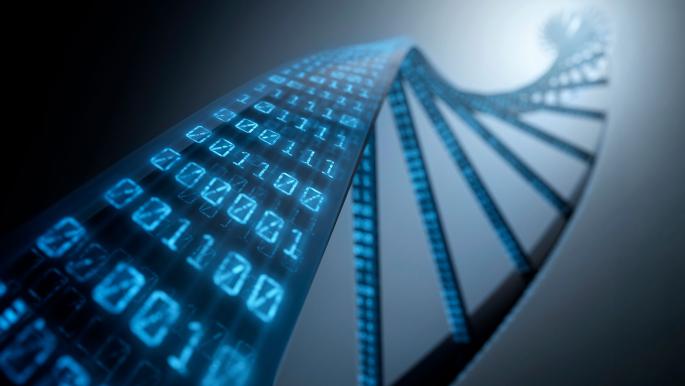
Recent studies have announced the development of hybrid chips capable of storing data within DNA, enabling ultra-dense and long-term archiving without significant energy requirements. This technology represents an advanced step towards the future of digital storage.
These chips convert digital data, known as bits, into chemical bases found in DNA, allowing for the storage of vast amounts of information in very small spaces. This process reflects DNA's ability to retain information for long periods, making it an ideal choice for data archiving.
Event Details
This technology involves using DNA molecules as a means to store information, where digital data is converted into a sequence of chemical bases. This conversion allows for the storage of massive amounts of data in a very small volume, with the potential to store a terabyte of data in just one gram of DNA.
This technology is revolutionary in the storage world, as it could significantly transform how data is stored in the future. Additionally, DNA does not require energy to maintain information, making it a sustainable and environmentally friendly option.
Background & Context
Over the years, we have witnessed significant advancements in storage technologies, from traditional hard drives to cloud storage. With the increasing volume of data produced daily, it has become essential to seek new and effective solutions for data storage.
Data storage technology in DNA is not entirely new, but recent developments in this field make it more applicable. Researchers are working to improve the efficiency of this technology and make it more user-friendly, opening the door for its use in various fields such as digital archiving and electronic libraries.
Impact & Consequences
If this technology is widely adopted, it will radically change how data is stored in institutions and companies. It will help reduce costs associated with traditional data storage and contribute to environmental preservation by decreasing energy needs.
Moreover, this technology could enhance data security, as DNA may be more secure than traditional means. This could open up new applications in fields such as cybersecurity and sensitive data management.
Regional Significance
This technology represents a significant opportunity for Arab countries seeking to develop their digital infrastructure. By investing in this technology, Arab nations can enhance their capacity to store and analyze data, contributing to sustainable development.
Additionally, this technology may foster innovation in the region, as it could open avenues for startups and researchers to develop new solutions across various fields, such as medicine and biotechnology.
The development of data storage chips within DNA marks an important step towards a more sustainable and efficient future in the realm of digital storage. As research and advancements in this field continue, we may see new and innovative applications in the coming years.