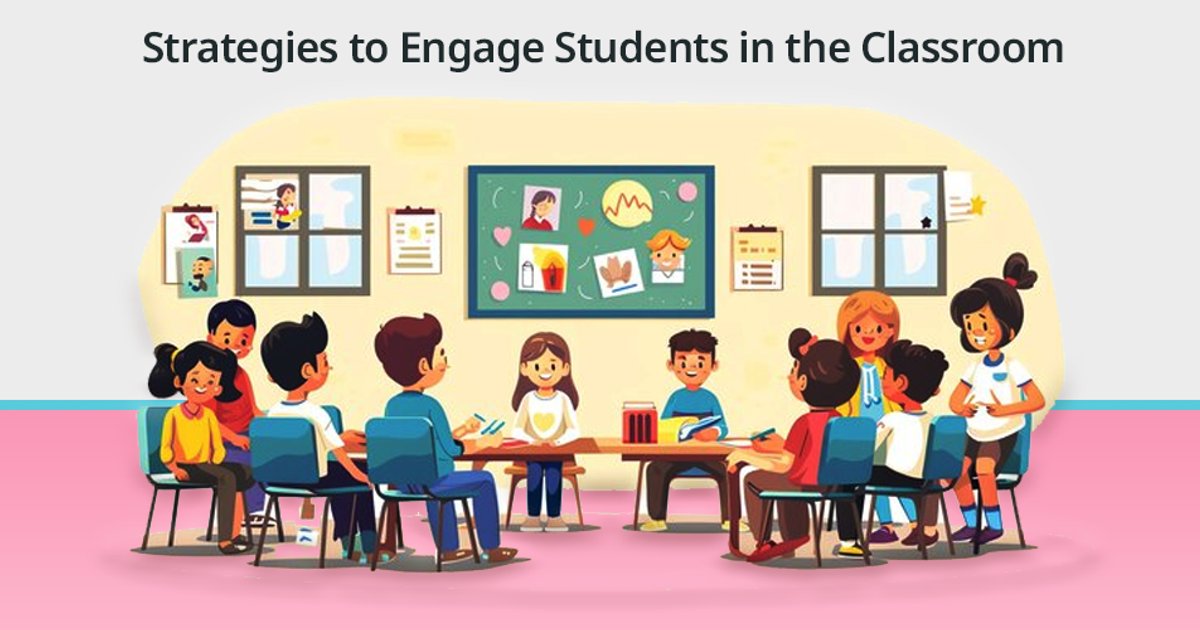
Educational policies aim for radical changes, yet true progress hinges on improving the learning experience within classrooms. Education transcends mere information delivery; it necessitates building understanding and fostering critical thinking. In this context, recent reports have shown that classrooms represent the most influential environment in shaping the future of education.
The learning process in classrooms serves as the foundation upon which students build their knowledge and skills. However, many schools still rely on traditional teaching methods, limiting the effectiveness of this process. It is essential to enhance teaching methods through continuous assessments that ensure students grasp fundamental concepts.
Event Details
Studies indicate that many students, especially in middle school, face difficulties in grasping fundamental concepts. This phenomenon highlights the urgent need to reconsider the educational methods employed. The focus should be on ensuring that each concept is understood deeply rather than merely completing the curriculum.
Reading also poses a significant challenge for students, as it involves not only recognizing letters but also understanding meanings and developing concentration skills. When a culture of reading is promoted as part of students' daily routines, the impact will be positive on the overall educational level.
Background & Context
Historically, education systems in various countries have undergone repeated changes, yet these changes have often been superficial and have not addressed core issues. In many countries, education still suffers from a lack of innovation, negatively impacting the quality of education. Therefore, the need to develop curricula that align with modern needs has become urgent.
These changes also require improvements in educational curricula, making them more flexible and capable of adapting to the diverse backgrounds of students. Each lesson should reflect the practical benefits that can return to students' daily lives.
Impact & Consequences
Improving the quality of education within classrooms has far-reaching effects on society as a whole. When students can better understand the material, it reflects on their academic performance and increases their chances of success in the future. Quality education contributes to building a generation capable of critical thinking and making informed decisions.
Moreover, promoting understanding-based education and critical thinking can help reduce educational gaps among students. This is particularly important in communities suffering from economic and social disparities.
Regional Significance
In the Arab region, education is one of the fundamental pillars of sustainable development. Enhancing the quality of education within classrooms can contribute to achieving sustainable development goals and enhance the ability of Arab youth to compete in the global job market.
Furthermore, fostering a culture of reading and critical thinking can contribute to building more aware and creative societies. Therefore, investing in education is an investment in a better future for the entire region.