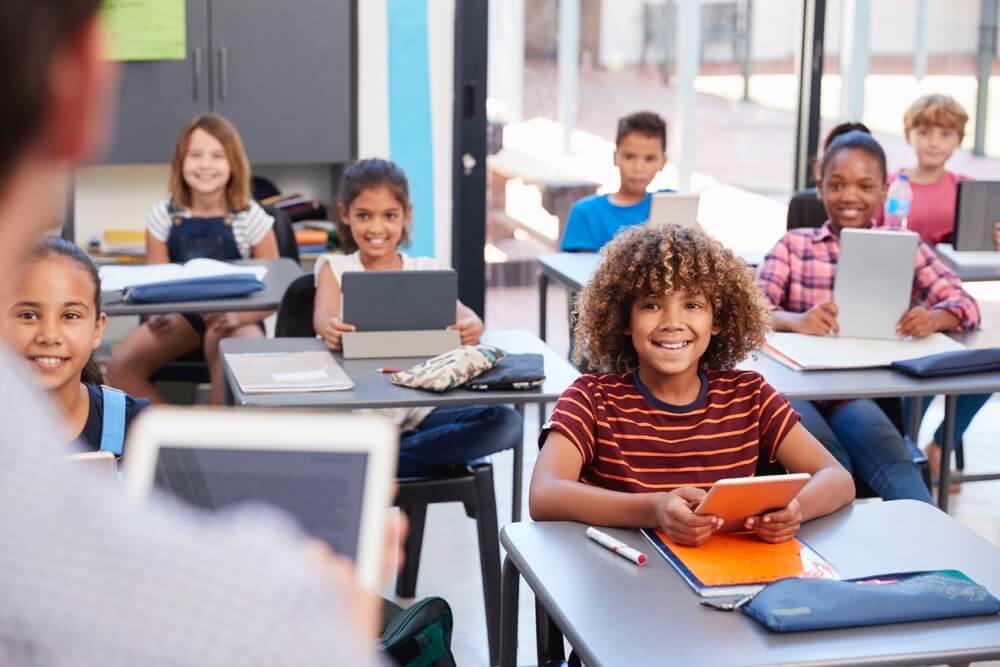
The education system worldwide is experiencing significant transformations due to remote learning, which has become an urgent necessity in the current circumstances. Educational institutions are striving to rebuild their strategies to meet the needs of students in the technology age.
Many countries are moving towards adopting remote learning as a primary means of education, allowing students to access educational content from anywhere. This shift contributes to providing equal opportunities for students, especially in remote areas.
Event Details
In recent years, there has been a noticeable increase in the use of remote learning platforms, with reports indicating that over 60% of students in some countries rely on these platforms. This trend reflects the urgent need to develop self-learning skills and digital interaction.
Governments and educational bodies are working to provide the necessary infrastructure to support this type of education, including improving internet services and providing the necessary devices for students. Efforts are also underway to develop curricula that are suitable for remote learning.
Background & Context
Historically, education relied heavily on traditional classrooms, but with technological advancements, the need for new educational models began to emerge. Remote learning was not a new concept, but it became more widespread after the COVID-19 pandemic, which highlighted the importance of flexibility in education.
These transformations are part of a forward-looking vision aimed at improving the quality of education and providing equal opportunities for all, reflecting the global trend towards innovation in education.
Impact & Consequences
These transformations are expected to impact the job market, as students will need new skills that align with the demands of the digital age. Remote learning can contribute to graduating a generation capable of adapting to rapid changes in the job market.
Moreover, these changes may lead to reducing the educational gap between urban and rural areas, contributing to achieving educational equity. However, challenges associated with remote learning, such as the digital divide, must be addressed.
Regional Significance
In the Arab region, remote learning represents an opportunity to enhance education in countries suffering from a lack of educational resources. Many Arab countries have begun to adopt this model, allowing students to access diverse educational content.
However, focus must be placed on developing digital infrastructure and providing training for teachers and students to ensure the success of this transition. Remote learning can be an effective tool for achieving sustainable development in the region.
In conclusion, remote learning represents a significant opportunity to rebuild the education system in line with the demands of the modern era. Success in this field requires collaboration between governments, educational institutions, and society to ensure positive outcomes.