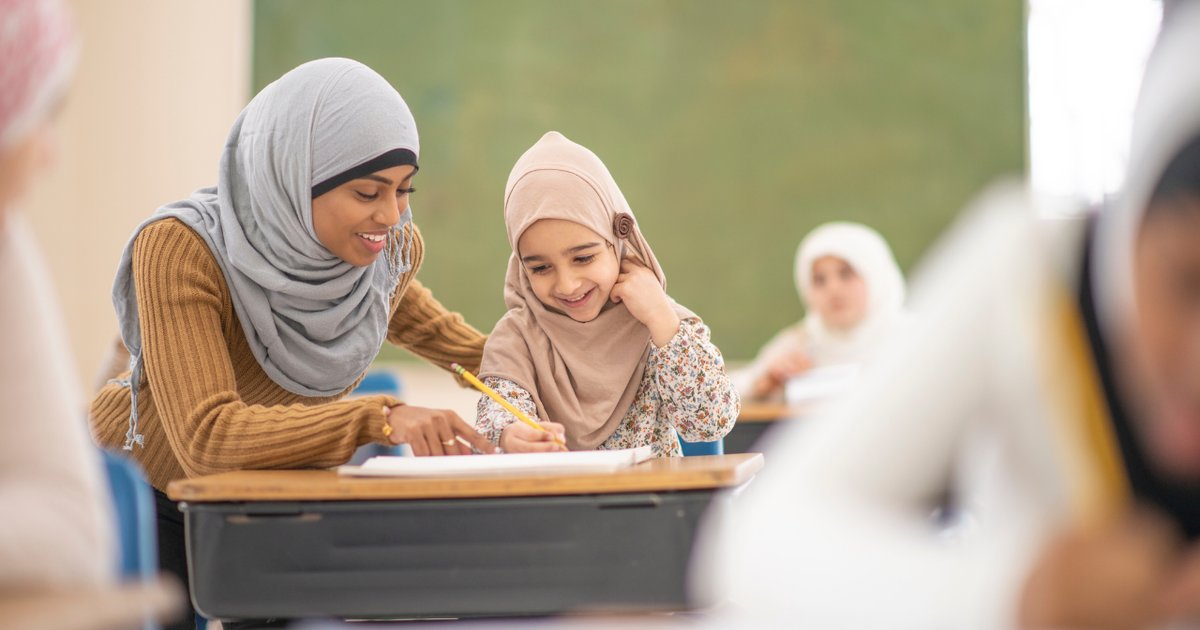
The strategic education plan aims to convert educational goals into practical applications, reflecting governments' commitment to improving education quality. Amid the increasing challenges faced by education systems in the Arab world, the importance of this plan emerges as a fundamental step towards developing the educational process.
The plan includes a set of objectives aimed at enhancing education and providing a suitable learning environment, which includes improving curricula, training teachers, and providing necessary resources for students. It also seeks to integrate technology into education, facilitating access to information and enhancing the learning experience.
Details of the Strategic Education Plan
The strategic education plan is part of a comprehensive vision aimed at developing the educational system in Arab countries. This plan encompasses several axes, including developing curricula to align more closely with labor market requirements and enhancing critical thinking and creativity skills among students. The plan also aims to improve school infrastructure and provide a safe and healthy learning environment.
This plan extends over several years, with a timeline established for its implementation that includes specific phases. Progress in implementation is expected to be evaluated periodically to ensure the achievement of the desired goals. The plan also includes engaging the local community and parents in the educational process, which enhances the effectiveness of implementation.
Context and Background
This plan comes at a time when education systems in the Arab world face significant challenges, such as high dropout rates, lack of educational resources, and poor education quality. Studies have shown that quality education is one of the essential factors for achieving sustainable development, making it imperative to improve educational systems.
Historically, there have been numerous attempts to improve education in Arab countries, but many of these efforts have not achieved the desired results due to a lack of funding and the absence of a clear vision. However, the current plan reflects a genuine desire to bring about radical change in this vital sector.
Consequences and Impact
If the plan is successfully implemented, it will lead to improved education quality in Arab countries, which will positively reflect on the labor market. Future generations will receive better education, enabling them to compete in the global job market.
Moreover, improving education will contribute to enhancing economic and social development, as it will reduce poverty and unemployment rates. Additionally, quality education fosters community awareness and encourages active participation in political and social life.
Impact on the Arab Region
The strategic education plan is a significant step towards achieving sustainable development in the Arab region. If countries succeed in implementing this plan, they will become a model for improving education in developing countries.
Furthermore, improving education in Arab countries will contribute to enhancing regional cooperation, as experiences and best practices can be exchanged among countries. This cooperation can lead to positive outcomes at the regional level, promoting stability and development in the area.
In conclusion, the strategic education plan represents a historic opportunity to improve education quality in Arab countries. If implemented effectively, it will contribute to building a better future for upcoming generations, reflecting the importance of education as a tool for change and development.