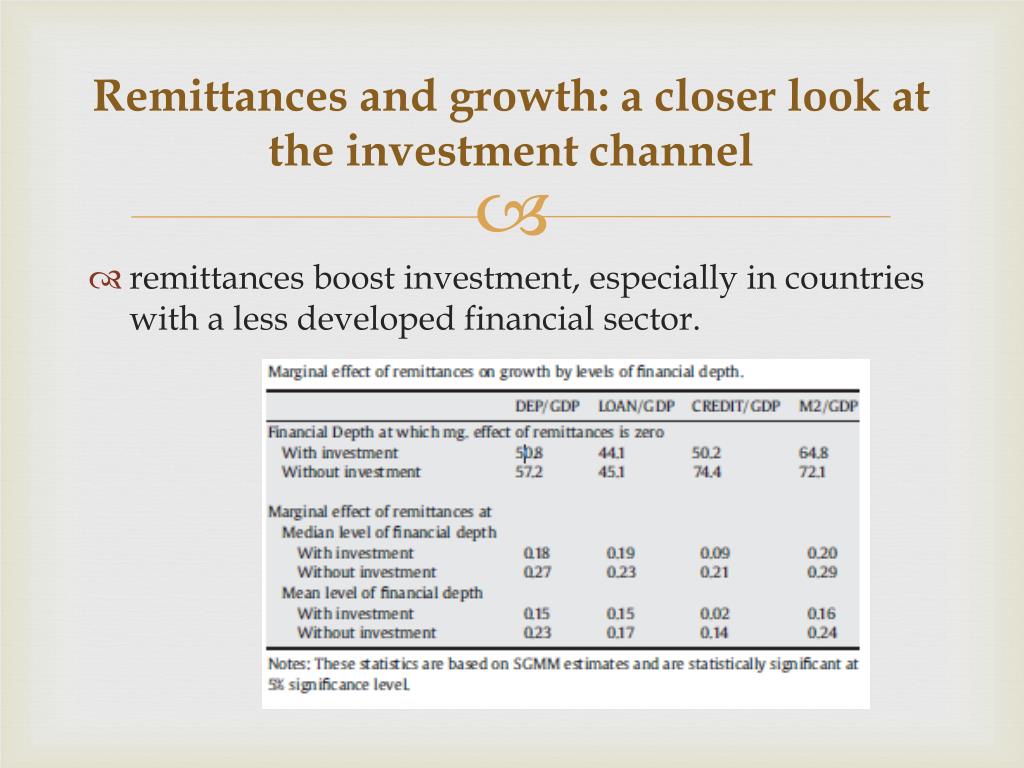
Many countries are turning to leverage financial remittances from expatriates as a means to boost the local economy. These remittances are considered an important source of income and can be transformed into long-term investments that contribute to infrastructure development and economic growth.
Studies show that financial remittances represent a significant percentage of GDP in some countries, making them an effective tool for achieving sustainable development. Thanks to these investments, new job opportunities can be created, and the standard of living for local populations can be improved.
Details of the Event
The financial remittances from expatriates are increasing significantly, with estimates suggesting that these remittances could exceed $600 billion annually worldwide. Arab countries are among the largest beneficiaries of these remittances, as they significantly contribute to supporting their local economies.
Governments are striving to establish clear strategies to convert these funds into actual investments. Among these strategies is encouraging expatriates to invest in local projects, such as real estate or startups, which contributes to enhancing the local economy.
Background & Context
Historically, financial remittances were seen merely as a means to support families back home; however, over time, governments have begun to realize the importance of converting these funds into investments that benefit the economy as a whole. In recent years, numerous government initiatives have been launched to facilitate the investment process for expatriates, such as providing tax incentives or administrative easements.
There are also many successful experiments in this field, where some countries have managed to achieve remarkable economic leaps thanks to expatriate investments. For instance, some countries have developed special programs to direct financial remittances toward infrastructure projects, leading to improved quality of life in local communities.
Impact & Consequences
Transforming financial remittances into long-term investments can have significant positive effects on the economy. First, it can contribute to creating new job opportunities, thereby reducing unemployment rates. Second, it can lead to improved infrastructure, facilitating trade and enhancing economic growth.
Moreover, these investments can contribute to strengthening the financial stability of countries, making them less reliant on foreign aid or loans. Consequently, they can help achieve sustainable development and improve the standard of living for residents.
Regional Significance
In the Arab region, financial remittances from expatriates are a vital source of income. As the number of Arab expatriates abroad increases, the opportunities to convert these funds into investments that benefit Arab countries also rise. These investments can contribute to enhancing economic growth and reducing the developmental gap between Arab nations.
Therefore, it is crucial for Arab governments to develop effective strategies to attract expatriate investments by providing a conducive investment environment and offering necessary incentives. This will help achieve sustainable development and strengthen economic stability in the region.