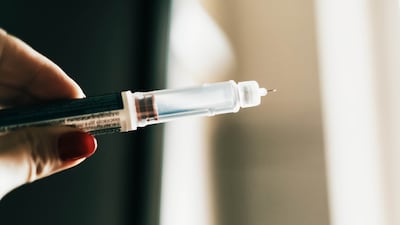
The healthcare industry is witnessing a remarkable transformation with the growing reliance on self-injectable pens, which are seen as a promising future for treating chronic diseases. This technology enables patients to manage their health more effectively and easily, contributing to an improved quality of life.
Diabetes medications such as Ozempic are among the most prominent examples of these pens, representing a revolution in how patients are treated. These pens provide a convenient and effective method for injections, reducing the need for frequent hospital visits.
Event Details
The popularity of self-injectable pens is increasing in global markets, with studies showing that their use can enhance patient adherence to treatment. These pens are not only designed for diabetes treatment but also include other therapies such as biological medications used in treating arthritis and immune diseases.
Major pharmaceutical companies are working on developing new models of these pens, which incorporate advanced features such as smart connectivity technology that allows patients to track their doses through smartphone applications. This innovation reflects the trend towards integrating technology into healthcare.
Background & Context
Historically, traditional injection methods required special skills, making it a challenge for many patients. With the advent of self-injectable pens, it has become possible for patients to manage their medications independently, marking a significant shift in how healthcare is delivered.
This technology is part of a broader trend towards personalized healthcare, where treatments are designed to better fit individual needs. This shift aligns with global trends aimed at improving access to healthcare and reducing costs.
Impact & Consequences
Studies confirm that the use of self-injectable pens can lead to improved treatment outcomes and a reduction in complications from chronic diseases. Additionally, this technology may help alleviate the burden on healthcare systems by decreasing the need for frequent hospital visits.
Moreover, using these pens can enhance the patient experience, as individuals feel more in control of their health. This may lead to increased adherence to treatment, positively impacting overall health.
Regional Significance
In the Arab region, this technology could significantly improve the management of chronic diseases such as diabetes, which poses a major health challenge. With the rising prevalence of these diseases, providing innovative treatment options like self-injectable pens can have a substantial impact on public health.
Furthermore, introducing this technology in Arab markets may foster innovation in the healthcare sector, leading to improved quality of health services provided to patients.
Self-injectable pens represent a significant step towards a healthier and more comfortable future for patients. As innovation continues in this field, we can expect positive transformations in how chronic diseases are managed, contributing to an enhanced quality of life.