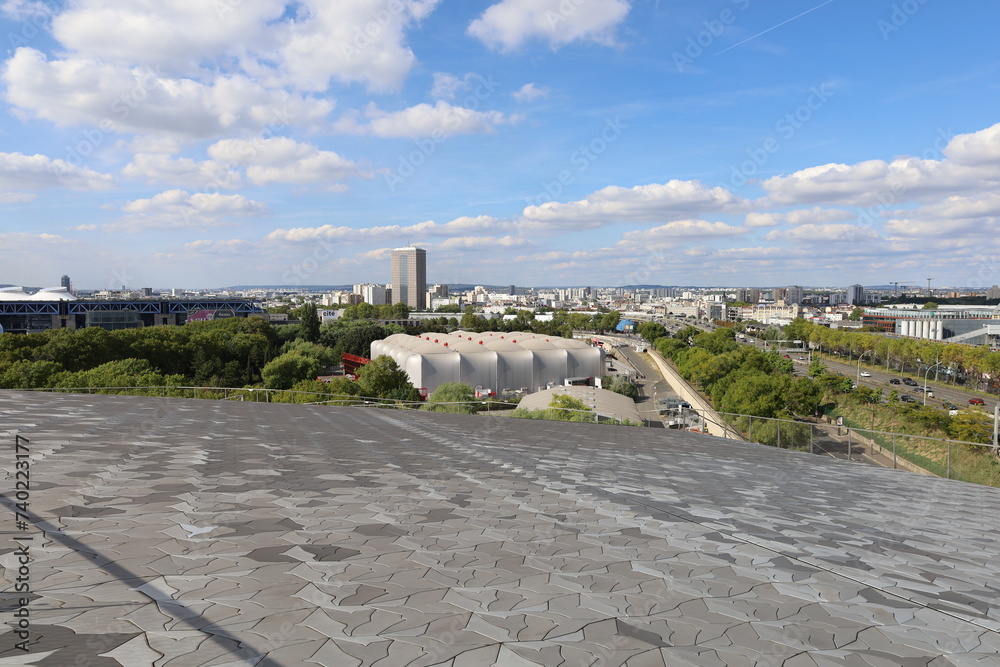
After 40 years since its inauguration by former French President François Mitterrand, La Villette Park in northeastern Paris is undergoing a notable transformation, now recognized as a living laboratory that integrates animals, plants, and children. This shift is part of the city's efforts to promote biodiversity and adapt to climate change.
La Villette Park, considered one of the largest parks in Paris, aims to redefine the concept of green spaces in urban areas. By merging urban agriculture with biodiversity conservation, the park demonstrates how cities can adapt to contemporary environmental challenges.
Details of the Transformation
The new changes at La Villette Park include the establishment of urban farms where visitors can learn about plant cultivation and environmental conservation. Additionally, new species of animals have been introduced to enhance biodiversity, making the park an ideal place for children to learn and interact with nature.
The park also hosts a variety of educational activities aimed at raising environmental awareness among visitors. These activities include workshops on sustainable agriculture, environmental conservation, and how to adapt to climate changes.
Background & Context
La Villette Park was established in 1985 and was initially viewed as a cultural project aimed at providing green space in a densely populated urban area. Over time, local authorities recognized the importance of enhancing biodiversity in cities, especially in light of increasing environmental challenges such as climate change and environmental degradation.
In recent years, many cities around the world have begun to rethink how they utilize green spaces. La Villette Park serves as a model in this context, showcasing how parks can play an effective role in improving the quality of life in urban environments.
Impact & Consequences
The transformation of La Villette Park reflects a global trend towards enhancing environmental sustainability. By integrating urban agriculture and biodiversity, the park illustrates how cities can become more resilient in facing environmental challenges. This model can inspire other cities worldwide to adopt similar strategies.
Moreover, the educational activities offered in the park contribute to raising environmental awareness among new generations, fostering a culture of sustainability within the community.
Regional Significance
In the Arab region, many cities face similar environmental challenges, such as climate change and water scarcity. The experience of La Villette Park can serve as an inspiration for Arab cities to develop sustainable green spaces that enhance biodiversity and contribute to improving quality of life.
Furthermore, promoting environmental awareness through educational activities can help build a community that is more conscious of the importance of environmental conservation. Given the increasing environmental challenges, this is essential to ensure a sustainable future for upcoming generations.