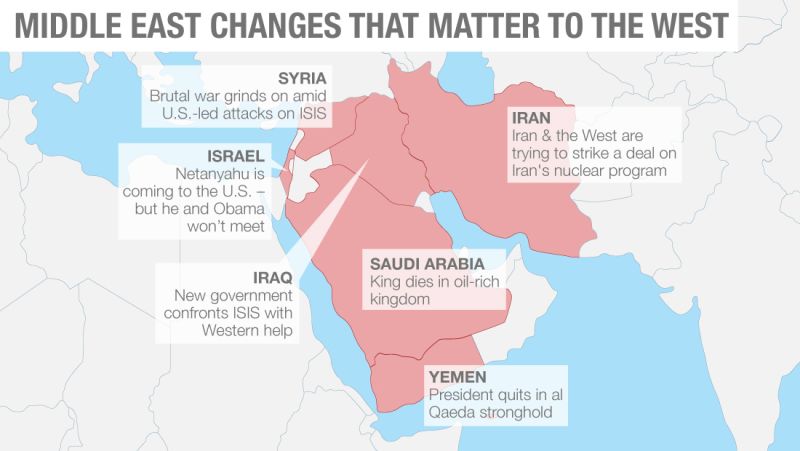
The Middle East is witnessing radical transformations following the conclusion of armed conflicts, as countries strive to rebuild their political and economic relationships. These changes come at a sensitive time, with all parties looking to achieve stability and sustainable development.
There are increasing indications that nations in the region have begun reassessing their strategies, reflecting a strong desire for regional cooperation. These new dynamics could lead to the formation of unconventional alliances, altering traditional power balances.
Event Details
After the wars and conflicts have subsided, countries in the Middle East have started to reconsider their policies. Some nations have expressed a willingness to improve relations with their neighbors, which could contribute to enhancing security and stability in the region. For instance, there are diplomatic moves between Gulf countries and Iran, reflecting a desire to ease tensions.
Moreover, there is a growing interest in economic cooperation among nations, as governments seek to boost trade and investment. These steps could lead to improved economic conditions in countries affected by conflicts, contributing to sustainable development.
Background & Context
Historically, the Middle East has experienced numerous conflicts that have led to a deterioration of political and economic conditions. However, the conclusion of some of these conflicts provides an opportunity for nations to rebuild their relationships. For example, peace agreements reached in recent years could serve as a starting point for greater cooperation.
It is important to note that these changes do not occur in a vacuum but are influenced by various external factors, including international policies and global economic shifts. Therefore, understanding these dynamics is essential for following events in the region.
Impact & Consequences
The transformations in the Middle East could have significant implications at both regional and international levels. Cooperation among nations may contribute to enhancing regional security, thereby reducing the chances of new conflicts erupting. Additionally, improved economic relations could help raise living standards and achieve sustainable development.
However, caution is warranted regarding the challenges that may confront these changes. Political and economic tensions remain, and they could affect the trajectory of regional cooperation. Thus, continuing dialogue and understanding is vital.
Regional Significance
These changes present an opportunity for Arab nations to strengthen cooperation among themselves. Common challenges, such as food and water security, require a collective response. Collaboration in these areas can contribute to achieving stability and development.
In conclusion, the Middle East stands on the brink of a new phase that requires a strategic vision to address challenges and opportunities. Regional cooperation may be the key to achieving peace and sustainable development in the region.