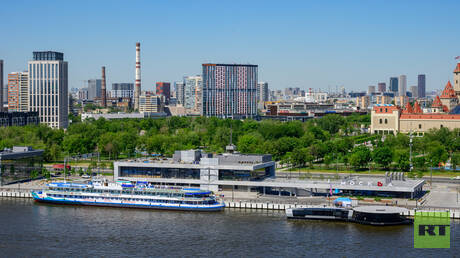
Moscow has announced a radical transformation in its urban transport system, turning the Moscow River into a vital artery relying on electric boats. This project is part of the efforts to achieve a sustainable transport system that meets global standards.
The Russian capital aims to improve the quality of life for its citizens by developing water transport, which is considered an environmentally friendly alternative compared to traditional transport methods. The project seeks to reduce traffic congestion and alleviate environmental pollution, reflecting Moscow's commitment to enhancing sustainability.
Details of the Initiative
The plan includes the establishment of a state-of-the-art shipyard for electric boats, enabling the city to manufacture and develop these vessels locally. This project is expected to create new job opportunities and boost the local economy. Additionally, electric boats will enhance the commuting experience for citizens and visitors, providing a comfortable and fast means of transport across the river.
This step is part of Moscow's broader strategy to develop transport infrastructure, which also includes improving public transport services and expanding road networks. This transformation coincides with a growing global environmental awareness, as many major cities strive to reduce carbon emissions.
Context and Background
Over the years, Moscow has witnessed significant changes in transportation, heavily relying on traditional means such as buses and trams. With increasing traffic congestion and worsening pollution issues, the city began seeking innovative solutions. The Moscow River, which stretches over 500 kilometers, is a natural resource that can be harnessed to improve the transport system.
Experiences from other cities worldwide, such as Amsterdam and San Francisco, have demonstrated the success of water transport as an effective means of urban mobility. Thus, Moscow is drawing inspiration from these experiences to develop its own system, focusing on innovation and modern technology.
Implications and Impact
This project is expected to have a significant impact on the daily lives of citizens in Moscow. Electric boats will contribute to reducing traffic congestion, leading to improved air quality and decreased noise levels. Furthermore, enhancing public transport will strengthen the city's ability to attract tourists and investors.
Moreover, this project may encourage other cities in the region to adopt similar solutions, reflecting a shift towards more sustainable transport systems. Moscow's success in this area could enhance its status as a leading city in environmental innovation.
Impact on the Arab Region
These initiatives in Moscow serve as a model for Arab cities facing similar challenges in transport and the environment. Arab countries can benefit from Moscow's experiences in developing sustainable transport systems, especially in major cities like Cairo and Riyadh.
With the increasing focus on sustainability in the region, these experiences may pave the way for new partnerships between Arab countries and Russia in technology and transport, contributing to achieving sustainable development goals.
In conclusion, the project to transform the Moscow River into an urban artery represents a bold step towards a more sustainable future. Through innovation and technology, Moscow aims to enhance the quality of life for its citizens and strengthen its position as a leading city in sustainable transport.