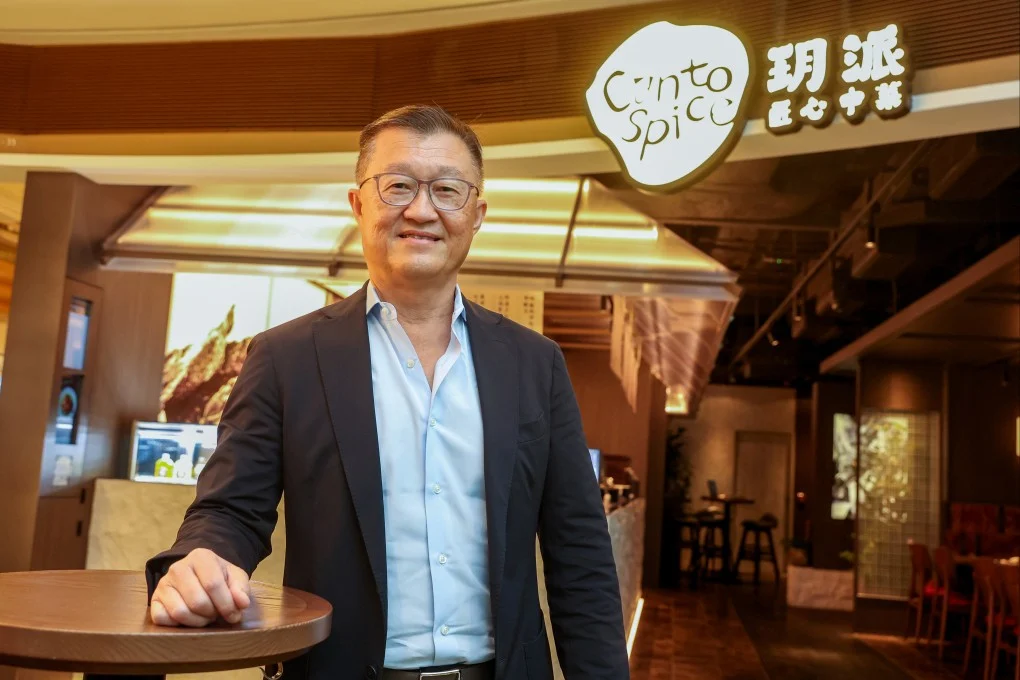
Hong Kong is currently undergoing a major transformation in its traditional Chinese restaurant scene, as many restaurants are moving towards offering new and innovative dining experiences. This shift is occurring amidst a wave of closures affecting many famous restaurants, prompting owners to rethink their strategies to meet changing customer needs.
One of the most notable examples of this transformation is the initiative taken by leading restaurant operator Martin Lee, who announced plans to downsize restaurants and focus on providing unique dining experiences. This trend comes at a time when the city has seen the closure of several branches of traditional restaurants, such as Star Seafood in areas like Wong Tai Sin, as well as the Metropol restaurant, which closed its doors after 35 years of service in the Admiralty area.
Details of the Event
Closures are on the rise in Hong Kong, as many traditional restaurants have shut their doors due to economic and social changes. Many residents now prefer to head to neighboring areas, such as mainland China, for dining and shopping, negatively impacting customer traffic in local restaurants. This new trend towards 'dining experiences' reflects restaurant owners' desire to attract customers by offering innovative dishes and unique experiences.
One dish that has been significantly affected is dimen sum, a type of traditional Chinese pastry, which has seen a decline in popularity in recent years. However, some chefs are striving to revive these dishes by presenting them in new and innovative ways, which may help attract customers once again.
Background & Context
Historically, Hong Kong has been known for its traditional restaurants that serve authentic Chinese dishes, but with economic and social changes, these restaurants have begun to face significant challenges. These closures coincided with a decline in tourism, as the city heavily relied on visitors from abroad, who constituted a large part of the restaurant customer base.
Moreover, the COVID-19 pandemic has led to radical changes in consumer behavior, with many preferring to eat at home or in locations close to their residences, affecting the traffic in traditional restaurants. As competition from new restaurants offering innovative dining experiences increases, it has become essential for traditional restaurants to reassess their strategies.
Impact & Consequences
These transformations in the restaurant scene could lead to significant changes in the local economy. With the closure of many traditional restaurants, many workers in this sector may lose their jobs, increasing unemployment rates in the city. Additionally, the decline of traditional restaurants may impact the cultural heritage of the city, as these establishments are part of Hong Kong's cultural identity.
On the other hand, these transformations could open new opportunities for restaurants that embrace innovation and offer new dining experiences. This could attract new customer segments, including young people seeking new and different experiences.
Regional Significance
The experience of Hong Kong in reshaping its restaurant scene serves as an important lesson for many Arab countries facing similar challenges in the hospitality sector. With increasing competition from new restaurants, traditional restaurants in Arab countries must consider how to refresh their offerings to attract customers.
Furthermore, innovation in food presentation can have a positive impact on tourism in Arab countries, as it can attract visitors from around the world. Therefore, leveraging global experiences like those occurring in Hong Kong can be beneficial in enhancing the hospitality sector in the region.