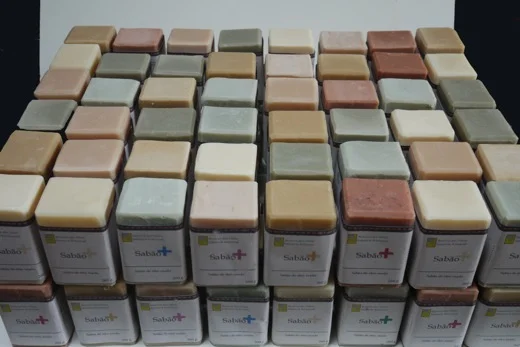
Used cooking oil is often discarded improperly, leading to environmental pollution. However, it can be effectively transformed into liquid soap, reducing waste and providing a useful household product.
Environmental concerns are growing regarding how to manage waste, especially that generated from cooking, as large quantities of used oil are disposed of incorrectly. Therefore, converting used oil into liquid soap represents a practical and economical solution.
Details of the Process
Transforming used oil into liquid soap involves a simple process that includes mixing the oil with some basic ingredients such as water and caustic soda. This process is not only effective but can also be easily executed at home, making it an ideal option for families looking to reduce their waste.
The process begins by collecting the used cooking oil, which is then slightly heated before adding water and caustic soda. The ingredients are mixed well until homogeneous, and then the mixture is left to cool and solidify. The liquid soap can then be bottled and used for cleaning or handwashing.
Background & Context
Recycling waste is a modern trend that is gaining increasing popularity worldwide, as many countries seek to reduce waste and improve resource management. In this context, converting used oil into liquid soap is a positive step towards achieving environmental sustainability.
Historically, humans have used plant and animal oils in soap-making for thousands of years. With technological advancements, soap-making processes have become more complex, but returning to traditional methods like this reflects a desire to return to roots and achieve sustainability.
Impact & Consequences
Transforming used oil into liquid soap can have positive effects on both the environment and the economy. Environmentally, this procedure helps reduce the amount of waste sent to landfills, aiding in environmental preservation and pollution reduction.
From an economic standpoint, manufacturing soap from used oil can save costs on purchasing commercial detergents, making this method attractive for low-income households. Additionally, this initiative can enhance environmental awareness and encourage communities to think of innovative solutions for waste management.
Regional Significance
In the Arab region, where many countries face environmental issues due to rapid population growth and increased consumption, this initiative can serve as a model. Many governments and local communities are encouraging the adoption of sustainable practices, and converting used oil into liquid soap represents a practical step towards achieving this goal.
Moreover, this initiative can contribute to fostering a recycling culture in Arab communities, helping to build a more environmentally conscious society. It can also open the door for small and medium-sized projects aimed at producing soap from used oil, thereby boosting the local economy.
In conclusion, transforming used cooking oil into liquid soap is not just an innovative idea but a step towards achieving environmental and economic sustainability. By adopting these practices, communities can contribute to environmental protection and improve quality of life.