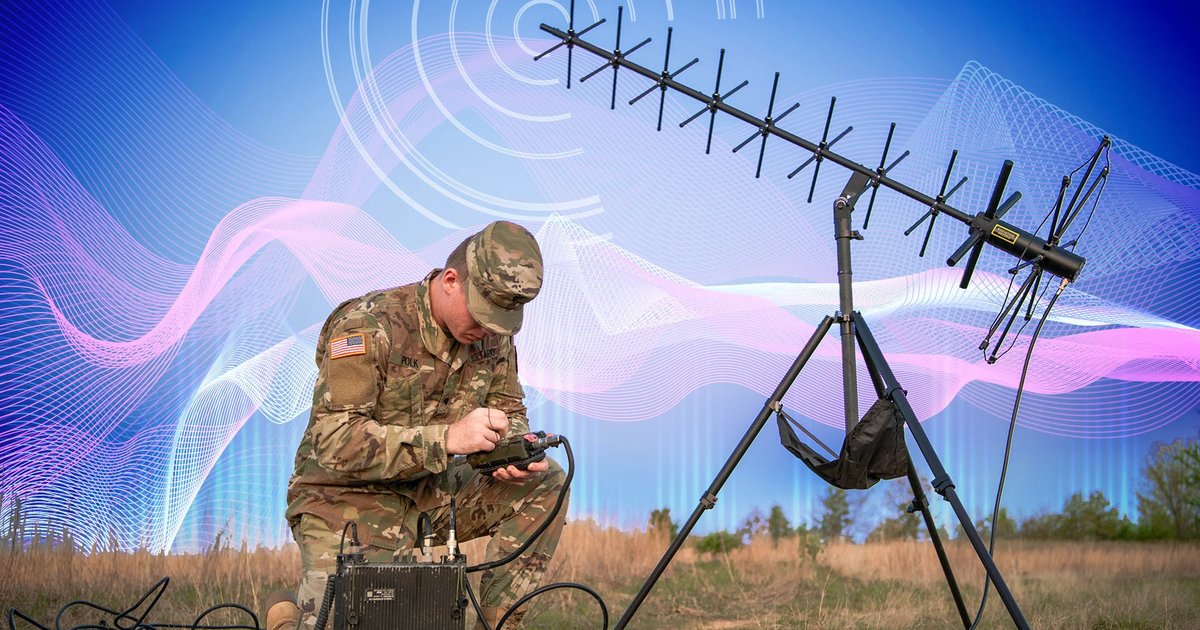
The wars in the Middle East are experiencing a radical transformation as algorithms take precedence over human decision-making, raising deep questions about ethics, politics, and the future of power. This phenomenon reflects how modern technology has become pivotal in shaping the course of conflicts, altering the nature of traditional warfare.
There is a growing reliance on algorithms for military decision-making, with artificial intelligence being used to analyze data and guide military operations. This shift enables military leaders to make faster and more accurate decisions, but it simultaneously raises concerns about the loss of human control over proceedings.
Details of the Event
The pace of algorithm use in wars is accelerating, as this new technology represents an effective tool for analyzing intelligence information and directing military strikes. In many conflicts, drones that rely on algorithms have been employed to identify targets and execute operations, fundamentally changing how wars are managed.
These operations involve the use of advanced systems capable of processing vast amounts of data in a short time, aiding in making precise strategic decisions. However, this increasing dependence on technology raises questions about potential risks, including human errors and unethical decisions that machines might make.
Background & Context
In recent years, the region has witnessed a surge in armed conflicts, prompting countries to seek technological solutions to enhance their military capabilities. Historically, wars have heavily relied on human decisions, but with technological advancements, it has become possible to use algorithms to improve military efficiency.
This transformation comes at a time when the region is facing complex conflicts, such as the disputes in Syria and Yemen, where technology plays an increasingly significant role. The use of algorithms in these conflicts reflects how military powers are striving to leverage technological innovations for superiority.
Impact & Consequences
The implications of using algorithms in wars are manifold, potentially leading to radical changes in how conflicts are managed. On one hand, this technology can help reduce human casualties by improving the accuracy of military strikes. On the other hand, reliance on machines for decision-making may lead to unforeseen outcomes, complicating conflicts further.
Moreover, the use of algorithms could enhance countries' ability to conduct military operations without the need for direct human intervention, raising ethical concerns in warfare. Can machines make ethical decisions? How can accountability be ensured in the event of errors? These questions demand urgent answers.
Regional Significance
This shift in the nature of wars poses a significant challenge for Arab countries, which must adapt to these rapid changes. Countries with advanced technological capabilities will be better positioned in future conflicts, potentially widening the gap between wealthy and poorer nations.
Additionally, the use of algorithms in warfare may escalate conflicts, as military attacks could increase unexpectedly. In this context, it becomes essential for Arab nations to adopt new strategies to address the challenges posed by this technology.
In conclusion, the rise of algorithms in warfare signifies a profound transformation in the nature of conflicts, necessitating countries to rethink their military and political strategies. The future may bring more challenges, but also new opportunities in a rapidly changing world.