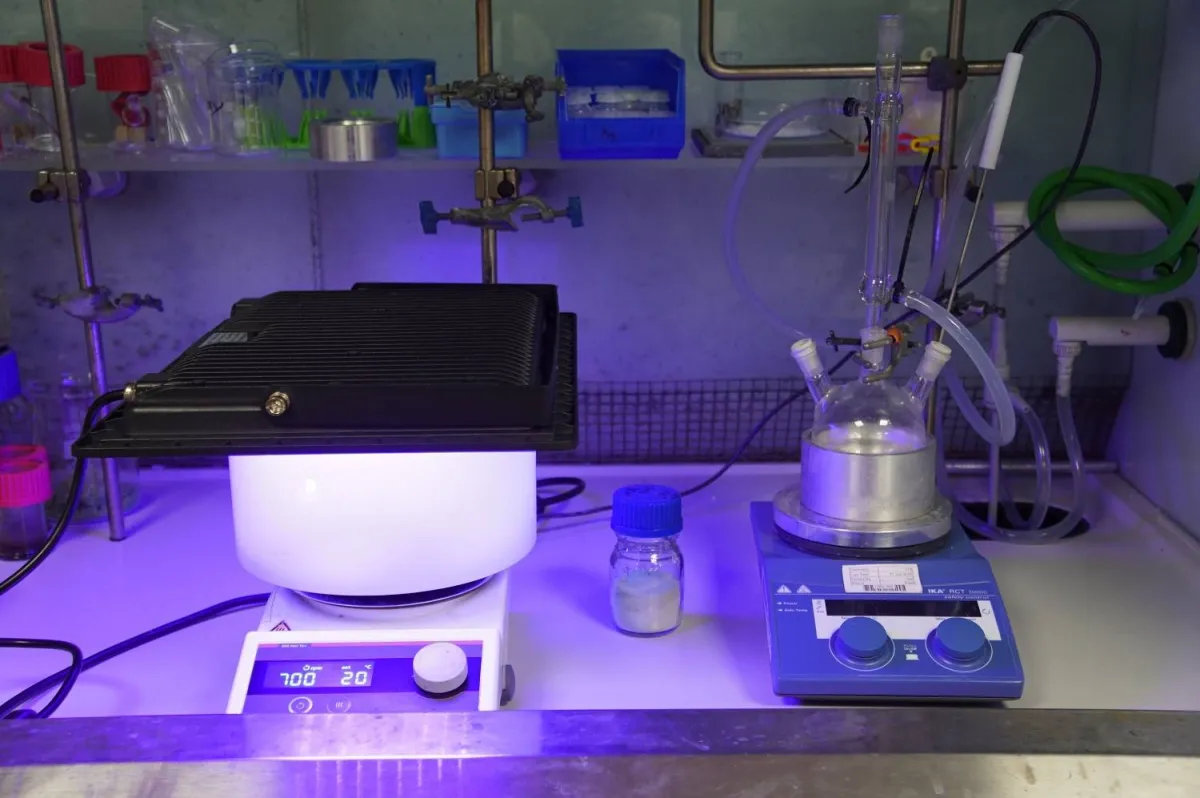
Researchers at the University of Cambridge have successfully converted acid recovered from old batteries and stubborn plastic waste into clean hydrogen fuel. This innovation reflects the concept of a circular economy and offers a creative solution to the waste problem. This step comes at a time when the world produces about 400 million tons of plastic waste annually, with a recycling rate of only 18%.
Millions of spent batteries are piling up, while the rest are either burned, buried in landfills, or leak into the environment. This situation raises an important question: Can one type of waste be transformed into a solution for disposing of another?
Event Details
The research team at the University of Cambridge developed a solar-powered reactor capable of breaking down difficult-to-recycle plastics, such as beverage bottles and nylon fabrics. The reactor uses acid recovered from old car batteries to convert it into clean hydrogen fuel and valuable industrial chemicals. The results were published in the April 6, 2026, issue of the journal Joule.
The reactor is distinguished by its use of solar energy, making it a more sustainable and cost-effective alternative compared to traditional chemical recycling methods. Conventional chemical recycling methods rely on processing plastics using high heat or strong chemicals, which are often costly and energy-intensive.
Background & Context
The issue of plastic waste is one of the biggest environmental challenges facing the world today. With the increasing use of plastic in our daily lives, it has become essential to seek effective solutions to manage this waste. Reports indicate that the recycling rate for plastic does not exceed 18%, meaning that the vast majority of these materials end up in landfills or are incinerated.
Global efforts are increasing to explore new technologies for converting waste into resources, with several research teams in countries like China, the United States, and Europe working on developing catalytic techniques to convert plastic waste directly into clean hydrogen.
Impact & Consequences
The new technology developed by the University of Cambridge represents a significant step towards achieving environmental sustainability. It not only helps reduce waste but also works to produce clean energy. Studies suggest that this method covers a wide range of plastic types, including those currently hardest to recycle, such as nylon and polyurethane.
These innovations emphasize the importance of applying the concept of a circular economy, which seeks to minimize waste by reusing resources. This approach reflects progress toward achieving global sustainability goals.
Regional Significance
In the Arab region, where many countries struggle with waste issues, these innovations can serve as inspiration for developing local solutions. Waste-to-energy technologies can contribute to improving waste management and reducing environmental impact. Furthermore, these innovations could open new avenues for investment in renewable energy.
In conclusion, this innovation from the University of Cambridge represents a step towards a more sustainable future, where new technologies can help address the environmental challenges facing the world.