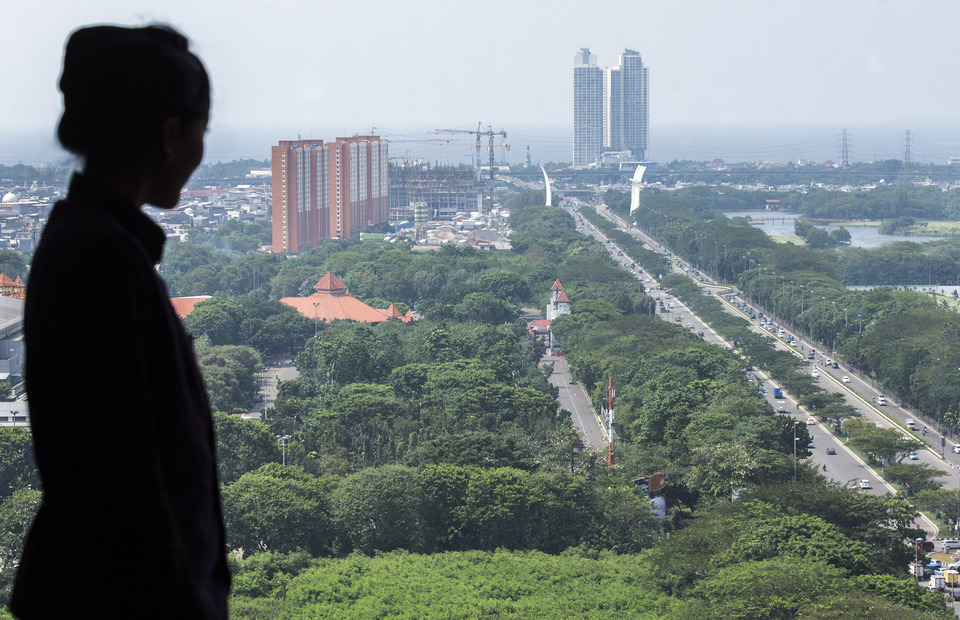
The East Jakarta government, through the Cijangton municipality, has announced the completion of a project to rehabilitate an area that was previously used as a waste disposal site in Pasar Rebo, transforming it into an aesthetic green space. This initiative is part of the government's efforts to enhance urban environments and increase green spaces in the city.
The area, located on Raya Gongseng Street, was previously known as a dumping ground for waste and debris, making it an unattractive place for residents. However, following rehabilitation efforts, the area now features a variety of ornamental plants, including Chinese bamboo and Sansevieria plants, along with decorative elements such as natural stone reliefs.
Event Details
The rehabilitation process was carried out by a team of seven individuals from the Infrastructure and Public Services Department, with work commencing in January 2026 and expected to be completed by the end of March of the same year. The Mayor of Cijangton, Suparmadi, noted that the work also included improvements to the entrance leading to neighboring homes, which now requires a fresh coat of paint.
The walls of the Gongseng playground were adorned with murals depicting scenes from the capital, adding an aesthetic touch to the area. Local residents, such as Mulyati, expressed great satisfaction with the changes, stating, "The place was filled with waste and debris, and now it is cleaner and more beautiful."
Background & Context
Jakarta is considered one of the largest capitals in the world and faces significant environmental challenges, including waste management. In recent years, the government has taken multiple steps to improve the environmental situation, including increasing green spaces. This project is part of a larger vision to enhance the quality of life in the city.
Historically, Jakarta has suffered from a lack of green spaces, which has affected air quality and residents' health. With growing environmental awareness, the government has begun implementing projects aimed at improving urban environments.
Impact & Consequences
This initiative is seen as a positive step towards enhancing environmental awareness among residents. By transforming neglected areas into green spaces, the government can contribute to improving quality of life and fostering a sense of responsibility towards the environment.
Moreover, these projects enhance the beauty of the city, potentially attracting tourists and increasing property values in the area. Improving the overall appearance of the city can have positive effects on the local economy.
Regional Significance
The experience of Jakarta could serve as a model for Arab cities facing similar environmental challenges. Many Arab cities struggle with waste management issues and a lack of green spaces. By adopting similar initiatives, urban environments can be improved, and environmental awareness can be promoted.
In conclusion, the rehabilitation project in Pasar Rebo, Jakarta, highlights the importance of collaboration between the government and the local community in achieving sustainable development goals. Transforming neglected spaces into green areas not only enhances the overall appearance but also improves quality of life and encourages environmental conservation.