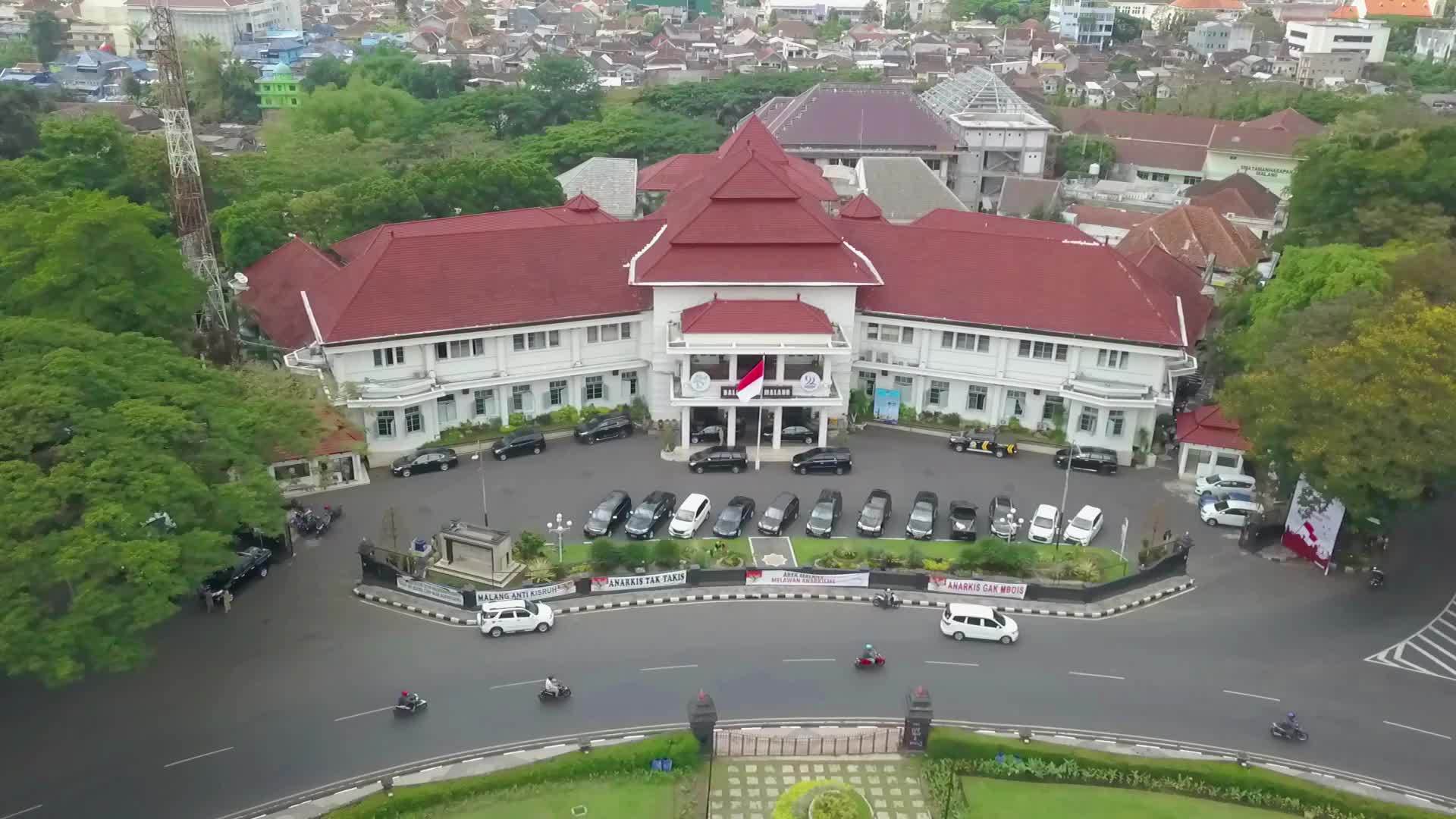
Public policy expert at Brawijaya University, Andhika Motaken, revealed that the work-from-home policy, known as WFH, is opening new horizons for transforming work culture in Indonesia's government sector. He pointed out that this officially implemented policy aims to change the way performance is evaluated in government institutions from relying on physical attendance to focusing on actual results and performance.
Speaking at a press conference in Malang, Motaken explained that working from home provides a significant opportunity to develop a more flexible and professional work culture, thereby enhancing the effectiveness of government performance. He confirmed that the central government has issued clear directives regarding the implementation of this policy, designating Friday as the official work-from-home day.
Details of the Initiative
This step comes as part of the Indonesian government's efforts to improve the performance of civil service employees (ASN) amid the challenges posed by the COVID-19 pandemic. The bureaucratic system in Indonesia has heavily relied on physical attendance as a primary measure of discipline, even though this does not necessarily align with actual productivity levels.
Motaken noted that the shift towards a work-from-home system requires the design of a clear performance evaluation system by each local government, along with a leadership vision that contributes to achieving the desired goals. He also emphasized the importance of effectively utilizing technology to facilitate this transformation.
Background & Context
Historically, the work system in the Indonesian government sector has depended on physical attendance, which has restricted flexibility in work. With the emergence of the COVID-19 pandemic, governments worldwide began reassessing their work-related policies, leading to the adoption of new work models such as remote work. These changes are not merely a response to the health crisis but also represent an opportunity to rethink how government work is managed.
Indonesia is one of the countries striving to improve the efficiency of the public sector, facing significant challenges in bureaucracy and corruption. Therefore, implementing a work-from-home system could be a step towards achieving broader goals in enhancing government performance.
Impact & Consequences
The Indonesian government expects that implementing the work-from-home system will improve performance and productivity levels among civil service employees. This system is anticipated to help reduce the gap between physical attendance and actual performance, thereby enhancing the effectiveness of services provided to citizens.
However, Motaken warned that the transition to this system cannot happen overnight; it requires ongoing efforts from local governments to ensure effective policy implementation. Additionally, performance oversight must be strengthened through stricter audits to ensure the desired results are achieved.
Regional Significance
Many Arab countries are also moving towards adopting flexible work models, especially following the impacts of the COVID-19 pandemic. Arab nations could benefit from Indonesia's experience in implementing remote work, as it could help enhance efficiency and reduce costs. Moreover, the shift towards remote work may contribute to improving employees' quality of life by providing a more flexible work environment.
In conclusion, the implementation of the work-from-home policy in Indonesia represents an important step towards modernizing work culture in the government sector, potentially leading to positive impacts on performance and productivity. However, success in this transformation requires a genuine commitment from all stakeholders to ensure that the desired objectives are met.