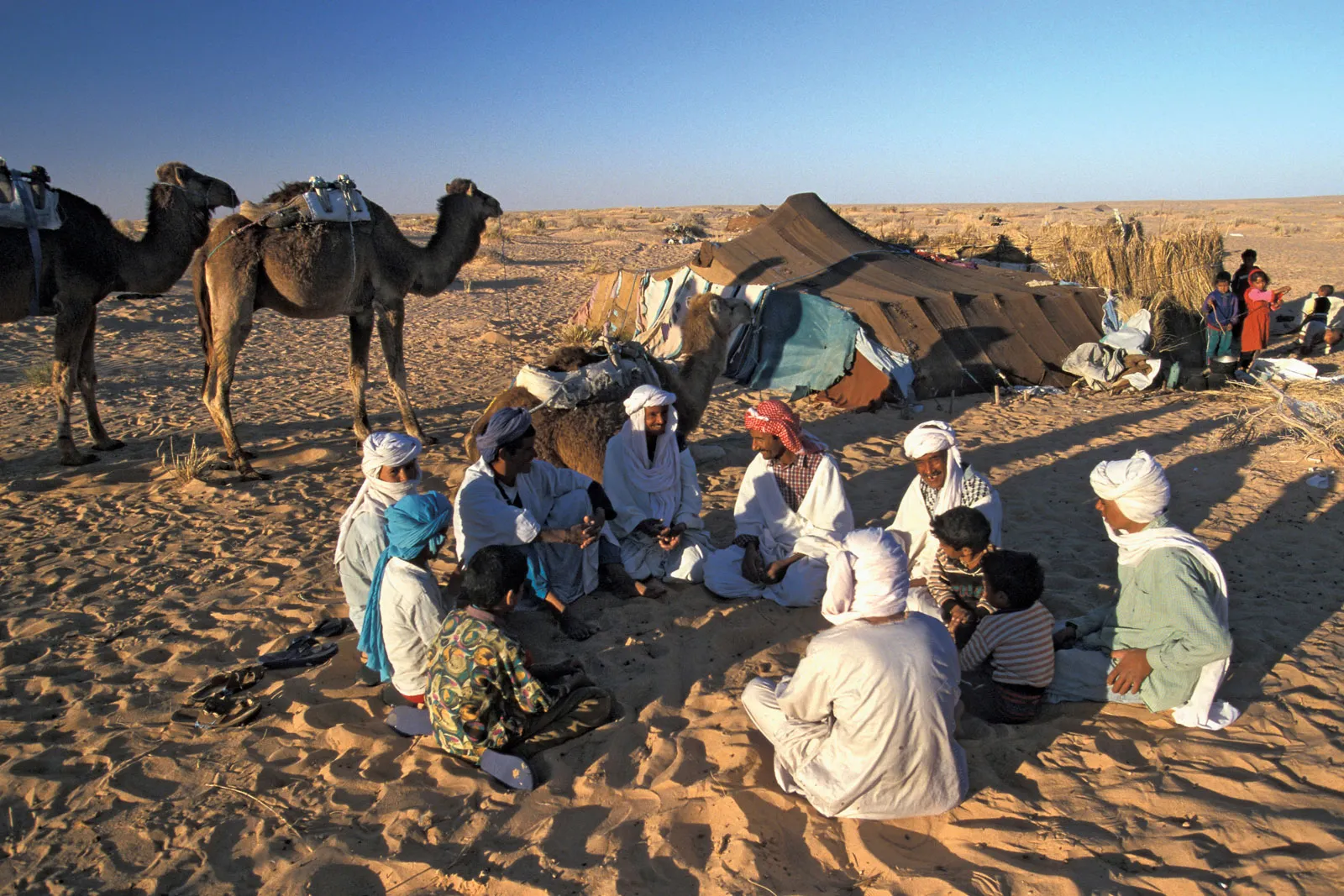
The Al-Kashkool Library's latest release showcases the journey of transformations that nomadic communities have undergone, transitioning from traditional nomadic life to the oil and modern economy. The book examines the effects of these transformations on the cultural and social identity of individuals and communities.
The book provides a historical narrative illustrating how oil wealth has influenced the lifestyle in nomadic regions, where these communities began to leverage natural resources to develop their infrastructure and improve living standards. It also addresses the challenges faced by these communities in preserving their traditions and cultural identity amidst rapid changes.
Event Details
The chapters of the book include a collection of stories and firsthand accounts from individuals who lived through these transformations, adding a human touch to the subject. The book discusses economic and social aspects, highlighting how oil revenues have contributed to improving education and healthcare in these areas.
The pages also touch upon the environmental challenges that arose from the excessive exploitation of resources, and how these communities have begun to recognize the importance of environmental conservation and the balance between development and heritage preservation.
Background & Context
Historically, nomadic communities lived under harsh conditions, relying on traditional pastoralism and agriculture. With the discovery of oil in the region, these communities began to shift towards new lifestyles, leading to radical changes in social and economic structures.
These transformations are part of a broader process affecting many Arab countries that have experienced similar changes due to oil revenues. These changes have sometimes contributed to strengthening national identity, while at other times they have led to conflicts over identity and culture.
Impact & Consequences
The consequences of these transformations are manifold, significantly affecting social relations within communities. Oil revenues have led to the emergence of new social classes, creating gaps among individuals. Additionally, economic changes have resulted in shifts in lifestyle, with education and healthcare becoming more accessible.
However, these transformations have not been without challenges, as nomadic communities have faced difficulties in adapting to rapid changes. Economic and social pressures have led to shifts in traditional values and customs, impacting cultural identity.
Regional Significance
The experience of nomadic communities transitioning into the oil world serves as a model for many Arab countries. This experience has contributed to strengthening national economies in some countries, while in others it has led to conflicts over resources and identity.
Understanding these transformations helps in recognizing the challenges faced by Arab communities in the modern era and underscores the importance of preserving cultural identity amidst economic and social changes.
In conclusion, the book offers a comprehensive view of the transformations experienced by nomadic communities, making it an important reference for researchers and those interested in social and economic issues in the region.