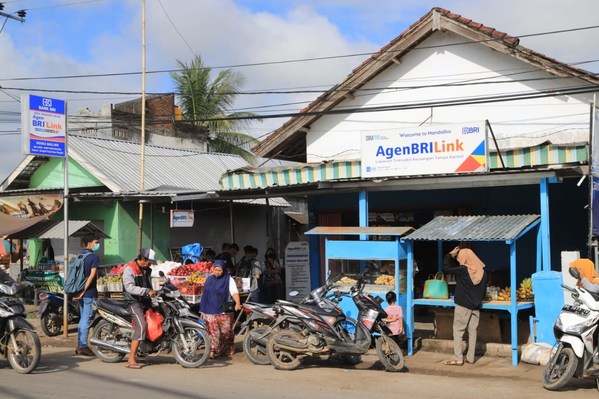
In the Indonesian region of Bakoheni, Na'am Muslim, the owner of a BRILink agency, has established a successful model for providing financial services to the local community. This success was not merely a coincidence; it stemmed from a clear vision and a desire to improve people's lives by facilitating access to banking services.
Na'am's journey began when he observed the success of a family member working as a payment service agent, which inspired him to try his luck in this field. After registering as a BRILink agent, he faced significant challenges, the most notable being a lack of capital, which directly impacted his ability to provide services. However, he managed to overcome these obstacles through determination and hard work.
Event Details
The BRILink agency in Bakoheni exemplifies how technology can be used to enhance financial services in remote areas. Na'am offers a variety of services, including money transfers and cash withdrawals, meeting the growing needs of the community, especially during peak times like Ramadan.
Reports indicate that the agency's activity increases significantly during certain periods, with demand for services starting early in the morning and continuing until evening. Na'am explains that money transfers and cash withdrawals are the most requested services, particularly during holidays and special occasions.
Background & Context
Historically, banking services in Indonesia have been concentrated in major cities, making access difficult for many residents in remote areas. With the emergence of agencies like BRILink, people in villages can now easily access financial services, enhancing the inclusivity of the financial system.
BRILink is part of a larger strategy by the bank aimed at expanding financial services and boosting the local economy by supporting small and medium enterprises. This model reflects a shift in how financial services are provided, allowing individuals to act as financial intermediaries within their communities.
Impact & Consequences
Na'am's experience underscores the importance of having local agencies in promoting financial inclusion. The more agencies there are, the greater the economic opportunities for individuals in local communities. This model also enhances individuals' ability to manage their financial affairs better, contributing to an improved standard of living.
Moreover, the presence of agencies like BRILink helps to promote financial literacy among residents, as people learn how to effectively use banking services, thereby enhancing their capacity to make informed financial decisions.
Regional Significance
The BRILink experience in Indonesia serves as a model that could benefit Arab countries, where many regions suffer from a lack of financial services. Similar projects could contribute to enhancing financial inclusion in Arab communities, helping to improve economic and social conditions.
In light of the economic challenges faced by many Arab countries, these models could inspire the development of new strategies that enhance individuals' access to financial services.