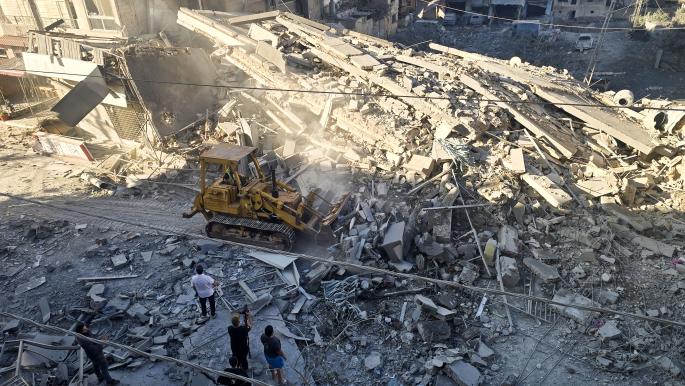
Lebanon persists in its attempts to uphold its old legend as a small yet "different" and "elegant" country, even amidst the challenging circumstances it faces. Amid the economic and political collapse, some Lebanese are demonstrating an ability to create new aesthetics through scenes of destruction.
These aesthetics manifest in various locations that once reflected vibrant life, where devastation has become a source of inspiration for artists and photographers. Some have begun capturing images of the ruins and reshaping them into artistic frameworks, reflecting humanity's capacity to adapt to difficult conditions.
Details of the Situation
In recent years, Lebanon has witnessed successive crises, starting with the economic collapse that led to deteriorating living standards, followed by political turmoil engulfing the country. Nevertheless, some Lebanese insist on seeing beauty in all that is destroyed, reflecting their spirit of resistance and creativity.
These aesthetics are evident in the streets, where destroyed buildings are transformed into art pieces, and artists utilize public spaces to showcase their work, creating a new interaction between art and society. This phenomenon is not merely a reaction to crises; it is an expression of Lebanese identity that refuses to succumb.
Background & Context
Lebanon's history is filled with crises, from the civil war that lasted from 1975 to 1990 to the current economic and political challenges. Despite all this, the Lebanese have managed to preserve their culture and identity, distinguishing themselves from others in the region.
These new aesthetics are part of the Lebanese effort to rebuild their identity amid difficult circumstances. This trend demonstrates how art can serve as a means of expressing both pain and hope, reflecting the depth of the human experience.
Impact & Consequences
These new aesthetics create a significant impact on Lebanese society, enhancing the spirit of creativity and collaboration among artists and the community. They also contribute to attracting tourists who wish to see Lebanon from a different perspective, potentially supporting the local economy.
Moreover, this phenomenon may inspire other countries facing crises, where art can be a means of expressing suffering and challenges, thereby strengthening human connections during times of hardship.
Regional Significance
Lebanon's experience in creating beauty from destruction serves as a model in the Arab region. It reflects the ability of peoples to adapt to crises and use art as a means of expressing identity and hope.
This phenomenon could inspire other nations suffering from conflicts and crises, where art can act as a bridge for communication and understanding between different cultures, contributing to the promotion of peace and stability in the region.
Lebanon remains a living example of humanity's ability to transform pain into beauty, reflecting the spirit of resistance and creativity that characterizes the Lebanese people.