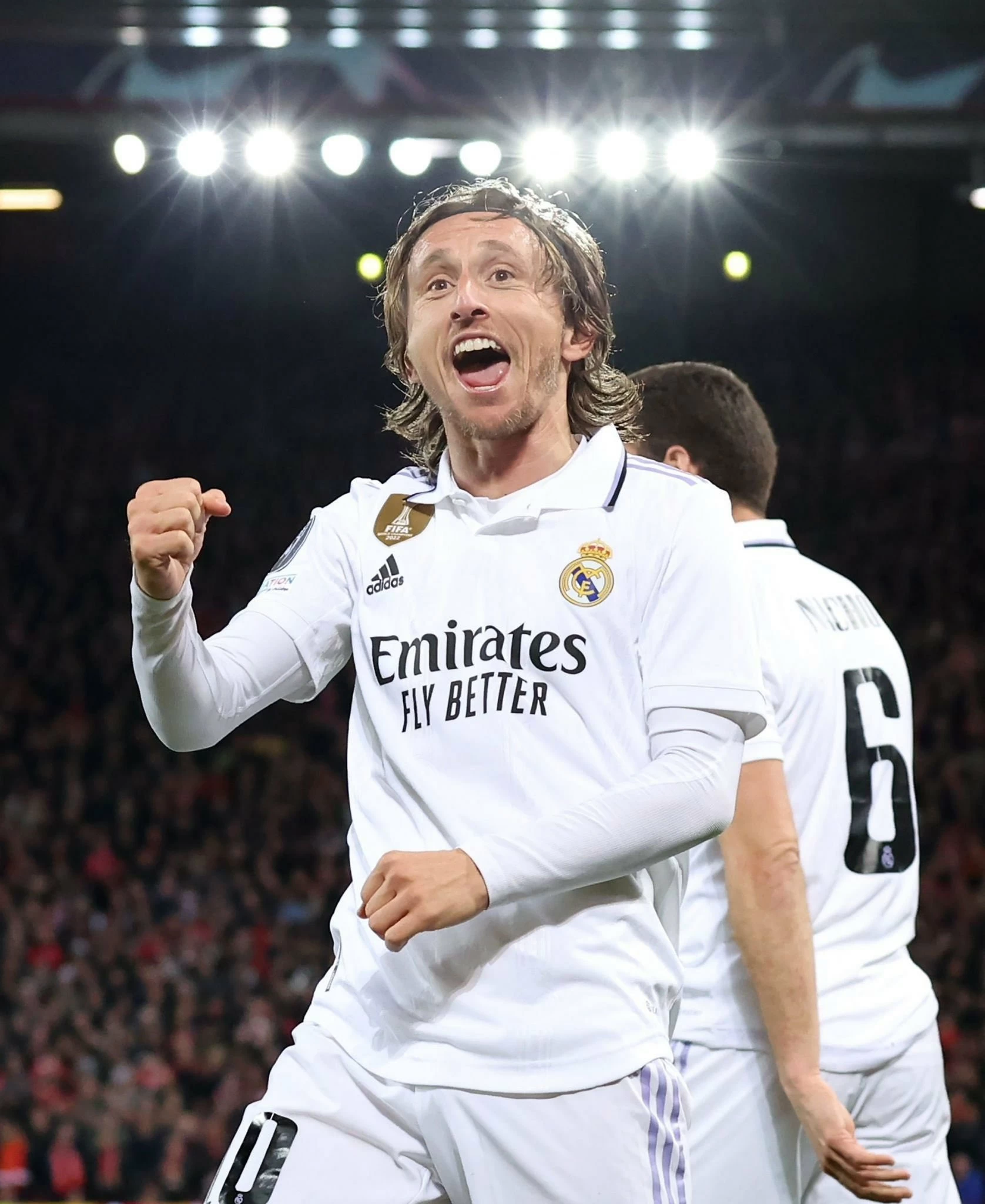
Luka Modric, the Croatian player, transitioned from a war refugee child to one of the greatest footballers in history. Born in 1985 under difficult circumstances during the Balkan War, Modric lost his grandfather in the conflict and his family was forced to flee, living as refugees in simple hotels. Despite these harsh conditions, he managed to develop his football skills in parking lots and small fields.
Modric began his football career in local academies and then joined Dinamo Zagreb in 2002. After a short period, he was loaned to Zrinjski Mostar (2003-2004) and then to Inter Zaprešić (2004–2005). He returned to Dinamo Zagreb in the 2005 season, where he played 94 matches and scored 31 goals, achieving 5 titles in the Croatian league and cup.
Details of the Event
After shining in the Croatian league, Modric moved to Tottenham Hotspur in 2008 for a fee of around £16.5 million. In 2012, he transferred to Real Madrid for €40 million, where he achieved great success and became one of the team's pillars. Reports indicate that his future is still uncertain, as he is believed to continue with AC Milan after a free transfer to the Italian league.
Throughout his career, Modric has won numerous titles, including the UEFA Champions League 6 times, La Liga 4 times, and the FIFA Club World Cup 5 times. He also won the FIFA World Player of the Year award in 2018, was the runner-up in the World Cup that same year, and secured third place in the 2022 World Cup. To date, he has played over 170 international matches with the Croatian national team.
Background & Context
The history of Luka Modric reflects the challenges faced by many athletes in conflict zones. Croatia experienced a devastating war in the 1990s that affected the lives of millions. Modric's story is not just a tale of sports success; it is also a testament to the strength of human will and the ability to overcome difficulties.
His sports career illustrates how sports can be a means of expressing hope and change. Modric has become a symbol for new generations in Croatia, inspiring many to face challenges and achieve their dreams.
Impact & Consequences
Modric's influence extends beyond the football field. His story inspires youth around the world, especially in conflict-affected areas. It demonstrates how sports can be a means of communication and understanding between different cultures.
Moreover, Modric is seen as a role model in commitment and dedication, reflecting the importance of hard work in achieving goals. His achievements enhance the value of sports as a means of social and psychological change.
Regional Significance
Luka Modric's story resonates with Arabs, reflecting the challenges faced by youth in conflict zones. It can be considered a model to emulate in the pursuit of success despite difficult circumstances. His success also shows how sports can contribute to building national identity and enhancing collective spirit.
In conclusion, Modric's story serves as a reminder that strong will can make a significant difference and that hope can bloom even in the darkest of circumstances.