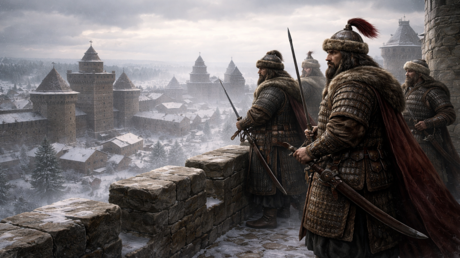
The history of the relationship between the descendants of Genghis Khan and Russia illustrates complex transformations, as these descendants were not always in a position of hostility. On the contrary, over time, their roles shifted from enmity to service within the Russian state, becoming part of its military and political elite.
Initially, the descendants of Genghis Khan posed a significant threat to emerging Russian entities, leading their invasions in the 13th century. However, as time passed, this relationship began to change, with Russia recognizing the importance of these individuals in strengthening its military and political power.
Details of the Event
Throughout the following centuries, the descendants of Genghis Khan began to integrate into Russian society, holding high positions in the military and administration. This transformation was not merely coincidental but resulted from deliberate policies by Russian governments seeking to leverage the capabilities of these individuals to enhance their strength.
One prominent example of this is their role in the wars fought by Russia against its neighbors, where they significantly contributed to achieving military victories. Some even became prominent military leaders, which added to their power and influence within Russian society.
Background & Context
During the Middle Ages, Russia faced significant challenges from its neighbors, including threats from the Mongols. In this context, it was essential for Russia to seek new allies to bolster its strength. Here, the role of the descendants of Genghis Khan came into play, as they possessed extensive military expertise.
Historically, the Mongols were known for their superior military capabilities, making them an attractive option for the Russians. Over time, these individuals began to adapt to Russian culture, which helped strengthen the ties between the two parties.
Impact & Consequences
This shift in the relationship between the descendants of Genghis Khan and Russia had profound effects on the history of the region. These dynamics contributed to shaping Russian identity and influenced how Russians viewed themselves and their neighbors.
Moreover, this relationship fostered mutual understanding between different cultures, leading to the exchange of ideas and traditions. This, in turn, helped build a more diverse and tolerant society.
Regional Significance
Although the relationship between the descendants of Genghis Khan and Russia may seem distant from the Arab region, there are lessons to be learned. History teaches us that political and social transformations can lead to unexpected outcomes, where former enemies can become allies.
This reflects the importance of dialogue and understanding between different cultures, a lesson that can be valuable in current Arab contexts, where many countries face similar challenges.
The history of the descendants of Genghis Khan in Russia highlights how political and social changes can reshape relationships between peoples. This story is not just history; it is a call to reflect on how to build better relationships in the future.