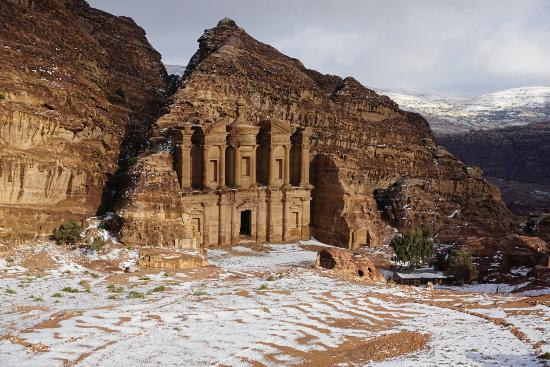
Jordan is experiencing a significant transformation into white tourist destinations as a result of heavy snowfall in the highlands. This shift reflects new possibilities for winter tourism in the kingdom, with an increasing number of visitors flocking to mountainous areas to enjoy the snowy atmosphere.
The snowfall in the Jordanian highlands has not only enhanced the beauty of the landscapes but has also contributed to boosting tourism activities. Families and visitors have begun to head to mountainous regions such as Ajloun and Jerash to enjoy skiing and participate in winter events.
Details of the Event
In recent days, areas like Ajloun and Jerash have witnessed heavy snowfall, resulting in a beautiful white blanket covering the ground. The Jordan Meteorological Department issued warnings about snowstorms, which heightened visitors' excitement. These areas are considered favorite destinations for nature lovers and winter sports enthusiasts.
This phenomenon presents an opportunity to enhance winter tourism in Jordan, where visitors can enjoy a variety of activities such as skiing, snowboarding, and hiking in nature. Additionally, many hotels and restaurants in these areas are offering special promotions to attract tourists.
Background & Context
Historically, tourism in Jordan has been heavily focused on archaeological sites such as Petra and Jerash. However, the increasing interest in winter tourism reflects a shift in the national tourism strategy. The Jordanian government has started investing in developing tourism infrastructure in mountainous areas in recent years, contributing to an increase in visitor numbers.
Snowfall in Jordan is not a new phenomenon, but it has become more frequent in recent years due to climate changes. These changes are affecting weather patterns, making snow more common in winter.
Impact & Consequences
The transformation of snowy areas into tourist destinations can have a positive impact on the local economy. An increase in visitors means more revenue for shops, hotels, and restaurants. Additionally, promoting winter tourism can contribute to creating new job opportunities for local residents.
However, this phenomenon must be approached with caution. Climate changes may lead to new challenges, such as water shortages or increased environmental risks. Therefore, it is important for the government to adopt sustainable strategies to ensure the continuity of this tourism.
Regional Significance
Winter tourism in Jordan serves as a model for other countries in the Arab region, where other nations can benefit from Jordan's experience in developing winter tourism. With the growing interest in environmental and winter tourism, this experience could inspire neighboring countries.
In conclusion, the snowfall in the Jordanian highlands represents an opportunity to enhance winter tourism, reflecting new possibilities for the local economy. As this phenomenon continues, Jordan could become a major destination for snow enthusiasts in the region.