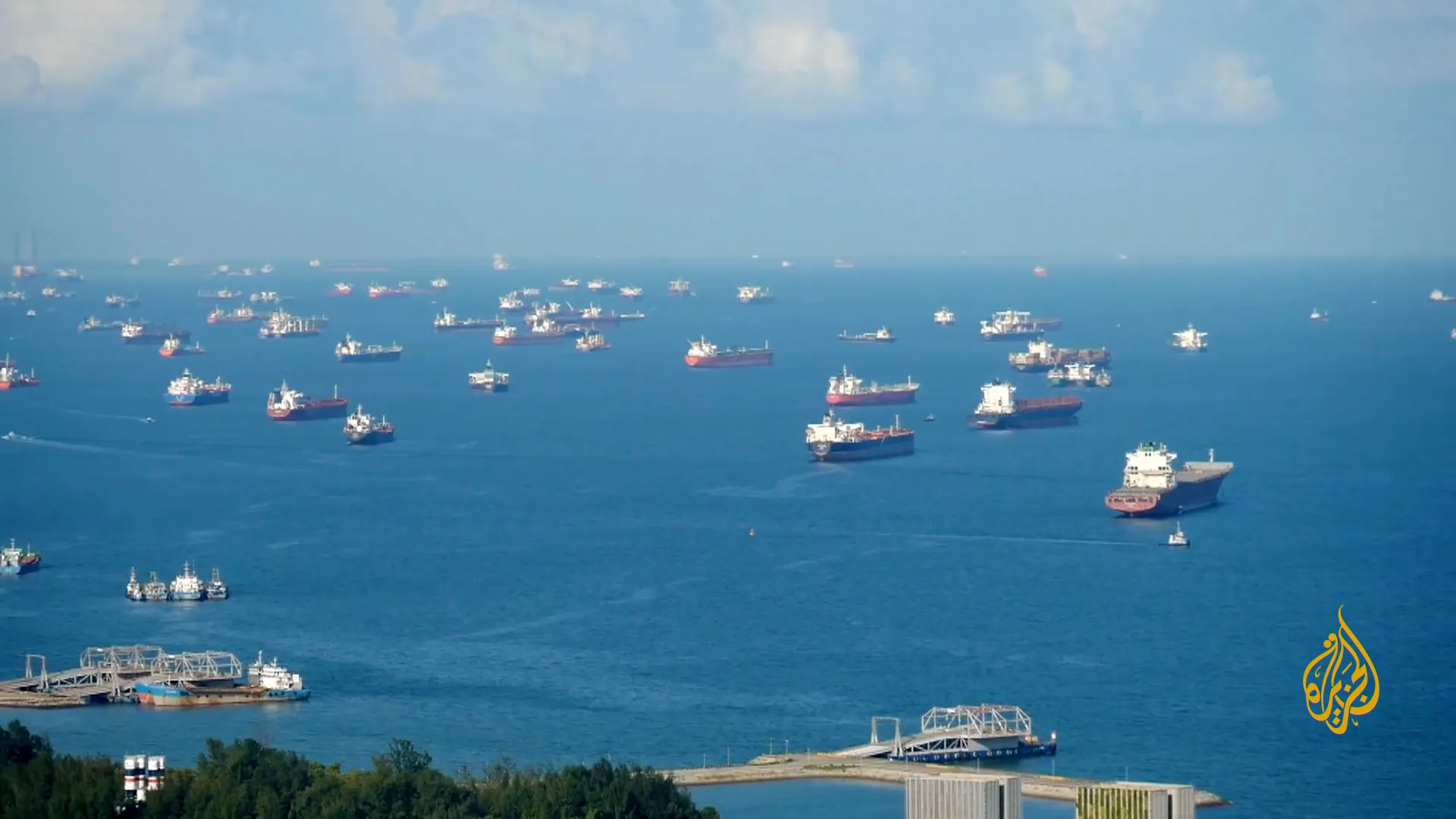
The Iranian-American-Israeli conflict has ignited a frantic race to purchase liquefied natural gas (LNG), transforming the seas into a continental auction ground. This situation has evolved beyond mere military conflict into an economic battle that Europe faces daily, according to expert opinions.
Data tracking ships has revealed that 11 LNG carriers bound for Europe have changed course towards Asia since the onset of the conflict. Additionally, two vessels were redirected to Egypt and another to Turkey, reflecting the rapid shifts in the global gas market.
Details of the Event
Qatar, the largest supplier of LNG to Asia, has halted supplies due to Iranian attacks on its Ras Laffan facilities, leading to a significant price surge. Qatar supplies the world with 20% of its gas, most of which was directed towards Asia, explaining the intense efforts by Asian countries to compensate for the substantial loss.
Asian buyers are now paying between $1 to $3 extra per million British thermal units, a small increase but enough to redirect shipments. While Europe would pay $17 per unit, Asia is now paying up to $25.
Background & Context
Tensions are rising due to the halt of gas imports from vital waterways such as the Strait of Hormuz and the Red Sea, which increases insurance and shipping costs. These conditions force carriers to take longer routes, raising the final price for consumers. Furthermore, the disruption of Russian gas supplies to Europe and its continued reliance on LNG as a permanent alternative to Russian pipeline gas adds pressure to global supply.
Europe is seeking other alternatives, including gas from the United States and Nigeria, and even Russian gas, although this task appears challenging amid fierce competition and limited supplies.
Impact & Consequences
Asian countries are heading into summer, where demand for cooling rises, intensifying competition for gas. In contrast, Europe is trying to leverage the summer to replenish its gas stocks, which remain at 40%, the lowest level since the start of the Russian war on Ukraine four years ago.
Pressure is mounting on Europe, as it competes with Asia for available shipments, threatening to create a new energy crisis on the old continent. This situation reflects the significant challenges European countries face in securing energy supplies under current conditions.
Regional Significance
Arab countries are directly affected by these shifts in the gas market, with some nations potentially benefiting from rising prices and increased demand for gas. However, regional tensions could negatively impact stability in the area, necessitating that Arab countries take strategic steps to ensure energy supply security.
In conclusion, the Iranian-American-Israeli conflict appears to have caused a significant shift in the LNG market, posing new challenges for both European and Asian countries alike.