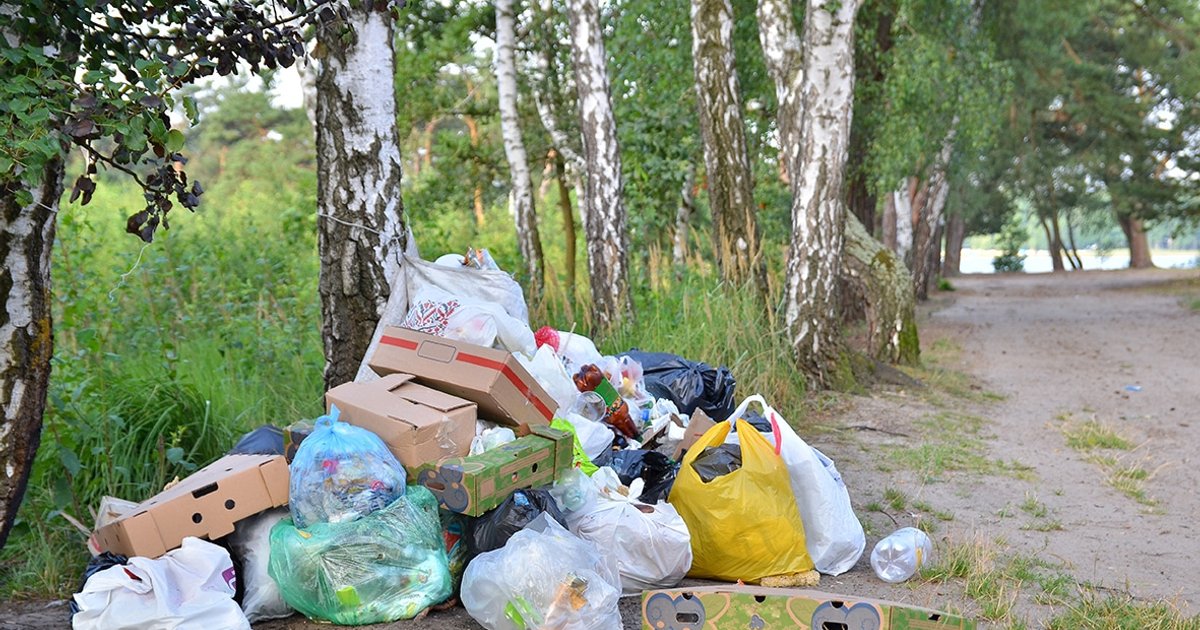
Efforts by local authorities in Jakarta continue as they transport accumulated waste from an illegal site near the 'Pasar Minggu' train station, where around 10 tons of waste is moved daily by a single truck to the integrated waste processing center in 'Pantarghibing'.
In a statement, Okok, an employee of the environmental department in the 'Pasar Minggu' area, confirmed that the transportation process is gradual due to the limited number of workers and available vehicles. Approximately five employees are present daily at the site to ensure waste is organized and to prevent further accumulation.
Details of the Waste Collection Process
The waste being collected primarily consists of household waste and market refuse, such as vegetables, fruits, and food scraps. After collection, part of the waste that still holds economic value is sorted and directed to the waste bank, while the remainder is transported to the waste processing center.
Okok expressed hope that the government and the community would collaborate to address the waste issue, including enhancing monitoring of hotspots for illegal dumping. He also called for an increase in the number of trucks or improvements in waste management capacity to ensure the transportation process runs more efficiently.
Background & Context
The waste problem in Jakarta is considered urgent, with reports indicating that waste production in the capital reaches 1,120 tons daily, especially during holiday periods. The local government has issued laws aimed at regulating waste management, including Law No. 4 of 2019 and Governor's Decree No. 102 of 2021, which impose penalties of up to 10 million rupiah or imprisonment for up to three months for violations of these laws.
Despite these laws, some residents continue to dump waste in illegal sites, reflecting an urgent need to raise public awareness about the importance of waste management.
Impact & Consequences
The effects of waste accumulation in Jakarta extend beyond environmental dimensions, impacting public health and leading to the spread of diseases. Non-compliance with laws reflects challenges in implementing environmental policies, necessitating improved monitoring and awareness mechanisms.
This issue exemplifies the challenges faced by major cities in waste management, calling for innovative strategies that include community involvement in environmental solutions.
Regional Significance
Many Arab cities face similar challenges in waste management, struggling with waste accumulation and hotspots for illegal dumping. These cities could benefit from Indonesian experiences in raising public awareness and effectively enforcing environmental laws.
In conclusion, this event serves as a call to reflect on how to improve waste management in major cities, both in Indonesia and the Arab world, through collaboration between government and community.