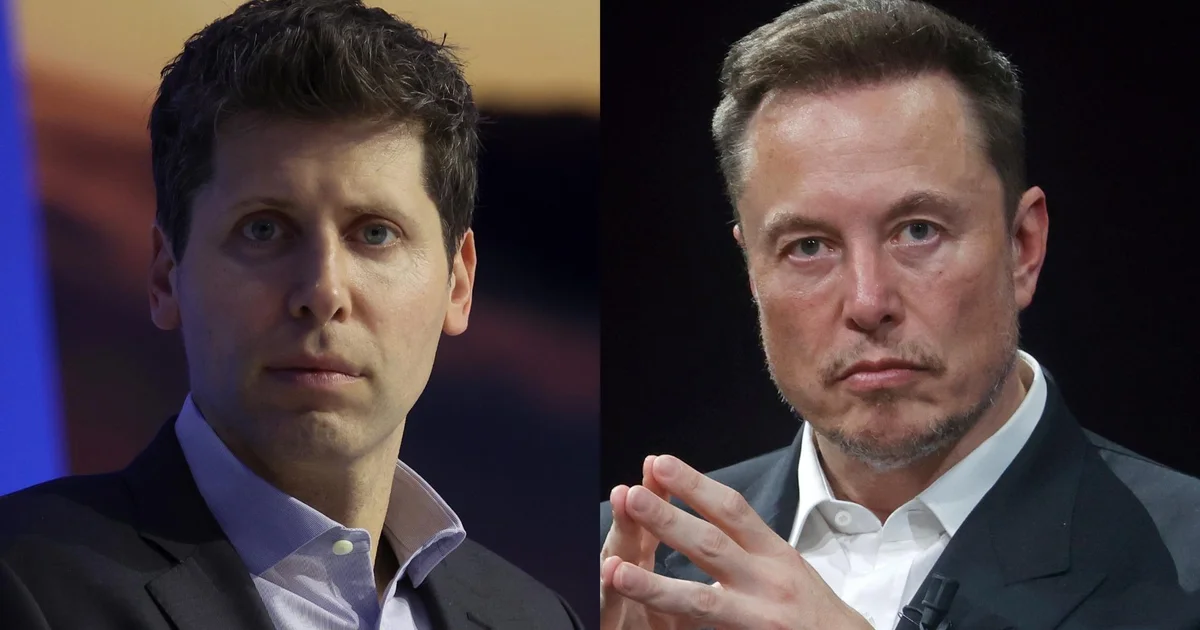
In a federal court in Oakland, California, the trial between Elon Musk and Sam Altman, the CEO of OpenAI, continues as Musk accuses Altman of stealing charity funds. Over three days of testimony, Musk emphasized that "you cannot simply steal a charity," highlighting the damages inflicted on his organization.
The trial commenced two years after Musk filed a lawsuit against Altman and Greg Brockman, the company's president, accusing them of reneging on their promises to keep OpenAI a non-profit entity. Musk, who contributed nearly 38 million dollars to establish OpenAI, claims that these funds were used for unauthorized commercial purposes.
Details of the Trial
The trial is taking place amid a charged atmosphere, with a jury of nine people formed to hear the case. On the first day, both parties presented their opening arguments, but the most impactful testimony came from Musk, who continued to testify until Thursday. The trial is expected to resume next week, where the court will hear testimonies from Altman and Brockman.
After Musk left the board of OpenAI in 2018, the company began shifting towards profitability, establishing a for-profit branch in the same year. The company has seen significant growth following the launch of ChatGPT in late 2022, raising 10 billion dollars in investments from Microsoft.
Background & Context
OpenAI was founded in 2015 as a non-profit organization aimed at developing artificial intelligence safely. Musk was one of the key founders, seeking to provide a counterbalance to major corporations like Google. However, OpenAI's trajectory changed after Musk's departure, raising questions about its commitment to its original principles.
During the trial, Musk indicated that he had growing concerns about Altman and Brockman's behavior since 2017, but he did not feel he had legal grounds to complain until later. He confirmed that he could have filed the lawsuit earlier if he believed they had stolen the charity.
Impact & Consequences
This trial is significant not only for the future of OpenAI but also for the artificial intelligence industry as a whole. If Musk proves his allegations, it could lead to a reassessment of how startups in this field are managed, especially those receiving substantial funding from investors.
The case also raises ethical questions in the tech world, where companies must balance profitability with adherence to charitable principles. The trial's outcomes could result in changes to how these companies are regulated, impacting innovation in artificial intelligence.
Regional Significance
With increasing interest in artificial intelligence in the Arab world, the results of this trial may hold particular importance. Many Arab countries are striving to develop AI technologies, and this case could influence how tech projects are managed in the region.
Furthermore, this trial could enhance discussions about the ethics of AI usage, a topic gaining increasing importance in the Arab world.