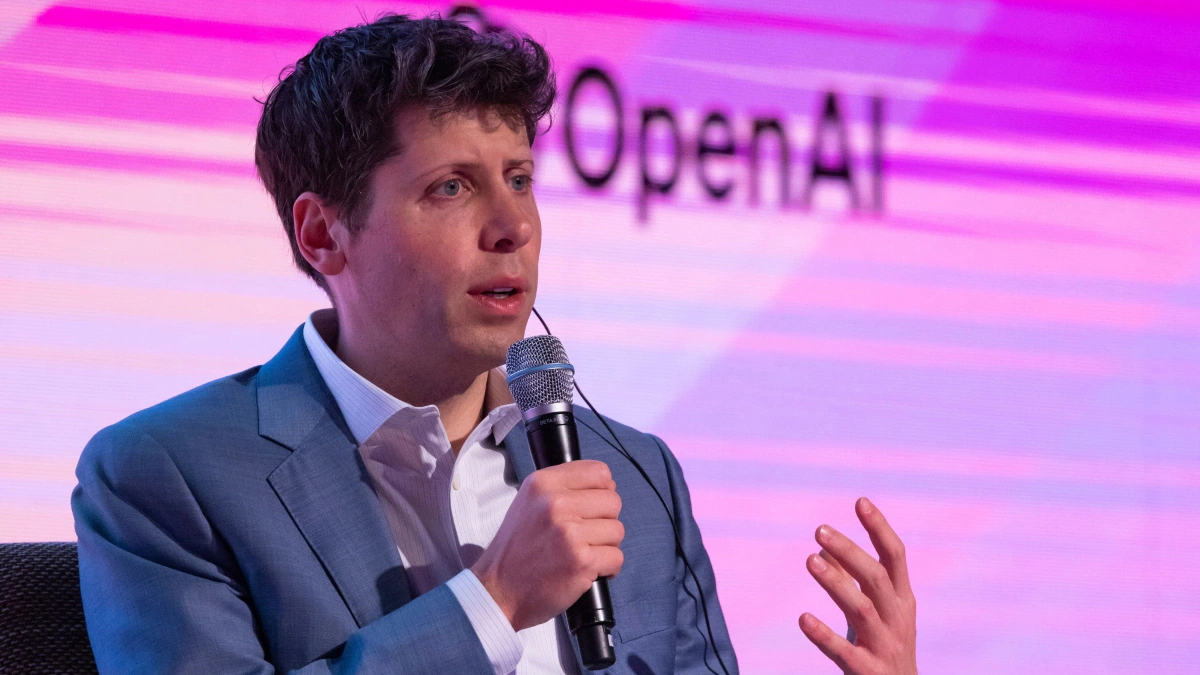
A prominent trial has commenced in the United States involving Elon Musk, the CEO of Tesla, and Sam Altman, the CEO of OpenAI, with expectations that this case will greatly influence the future of artificial intelligence. The trial, taking place in a San Francisco court, focuses on issues related to innovation, ethics, and compliance within the technology sector.
This trial comes at a sensitive time, as concerns grow regarding the impact of artificial intelligence on society. Musk has testified about the potential risks of using AI technologies without regulations, emphasizing the need for strict regulations to ensure the safety of this technology.
Details of the Case
The case involves mutual accusations between the two parties regarding how companies manage artificial intelligence. Musk, who was one of the early investors in OpenAI, criticized Altman for what he perceives as inadequate security measures in the development of AI technologies. In response, Altman argued that Musk is attempting to undermine innovation by spreading exaggerated fears.
The trial has also seen the presentation of evidence regarding the impact of artificial intelligence on the job market, with experts indicating that this technology could lead to the loss of many traditional jobs. At the same time, Altman asserted that AI could create new job opportunities and enhance productivity.
Background & Context
Historically, the technology industry has witnessed similar conflicts over how to manage new innovations. In recent years, concerns about artificial intelligence have escalated, especially following the emergence of models like ChatGPT, which sparked widespread debate about their use. This trial is part of a broader discussion on how to balance innovation with ethical compliance.
OpenAI was founded in 2015 with the goal of developing artificial intelligence safely, but as pressure from investors and competitors has increased, questions have arisen about the company's commitment to its foundational principles. Musk, who left the board of OpenAI in 2018, remains a prominent voice advocating for stricter regulations.
Impact & Consequences
If the trial results in new regulatory decisions, it could significantly affect how AI technologies are developed and used in the future. These decisions could impose restrictions on companies, potentially slowing the pace of innovation in this field. Conversely, enhanced regulations could increase public trust in technology.
Concerns are rising that a lack of adequate regulations could lead to severe consequences, such as discrimination in decision-making or violations of privacy. Therefore, the outcomes of this trial may have far-reaching implications for how governments and companies handle artificial intelligence.
Regional Significance
In the Arab region, where many countries are moving towards adopting artificial intelligence technologies, the outcomes of this trial could influence how these countries develop their policies in this field. With increasing investments in technology, it becomes essential to have clear strategies to ensure the safe and effective use of artificial intelligence.
This trial could serve as a lesson for Arab countries on the importance of establishing regulatory frameworks that protect citizens' interests while ensuring innovation at the same time. The shift towards artificial intelligence requires a delicate balance between technological advancement and ethical considerations.