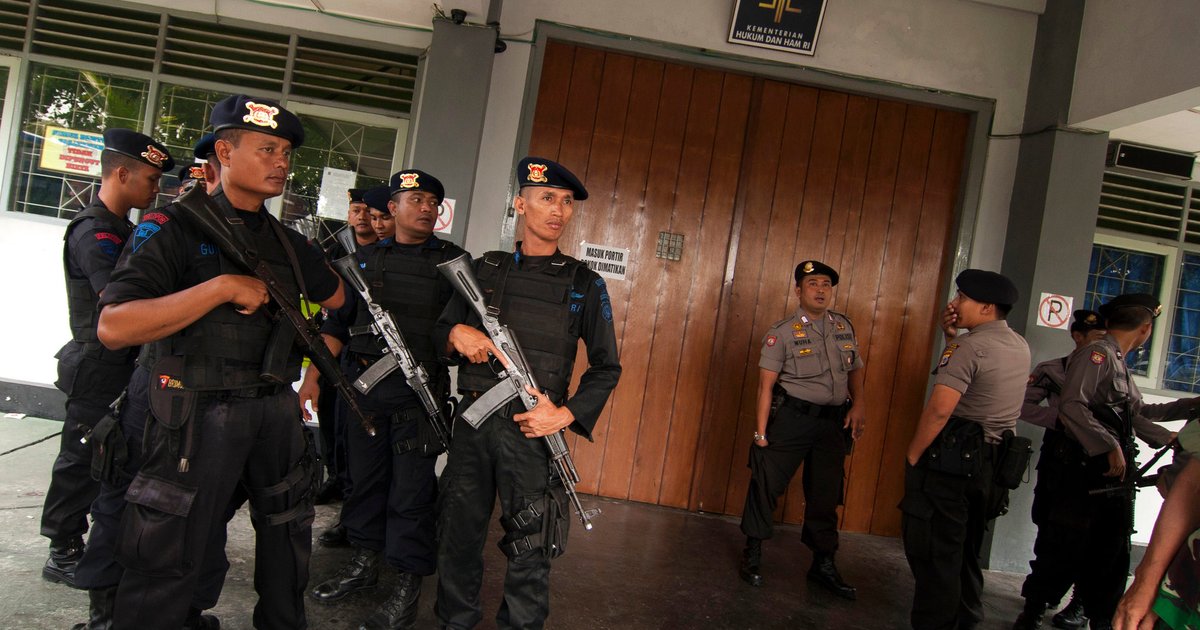
The trial of three soldiers from the Indonesian Armed Forces accused of murder has begun, with the defendants appearing in court for an initial hearing. The accused soldiers are Serka Mushamad Nasser, Kopda Ferry Haryanto, and Serka Frenky Yaro, and the case has sparked significant controversy in Indonesia.
This trial comes at a sensitive time for the Indonesian military, which is facing increasing criticism regarding the conduct of its personnel. The three soldiers were arrested following an incident earlier this year, where they were accused of being involved in the killing of a civilian during a security operation.
Details of the Incident
The case revolves around an incident that occurred in a remote area, where the soldiers were conducting a crime-fighting operation. Reports indicate that the victim was assaulted by the soldiers, leading to his death. Eyewitnesses documented the incident, complicating matters for the accused soldiers.
During the first hearing, the prosecution presented evidence suggesting the soldiers' involvement in the incident, while the defense denied all charges against them. A date for the next hearing has been set to continue hearing testimonies and evidence.
Background & Context
Historically, Indonesia has witnessed numerous similar incidents concerning the behavior of its armed forces. In recent years, there has been mounting pressure on the military to improve the conduct of its personnel and enhance transparency in military operations. These issues have affected the military's image in society, prompting the government to take serious steps to hold those involved accountable.
This case is part of broader efforts to reform the Indonesian military, as the government seeks to reduce violations and promote human rights. Special committees have been established to investigate similar incidents, reflecting the government's commitment to improving the security situation in the country.
Impact & Consequences
This case could significantly impact the reputation of the Indonesian military, potentially leading to a loss of trust among citizens. If the charges are proven, the soldiers may face severe penalties, which could provoke strong reactions from civil society. Furthermore, this case may open the door to further investigations into the conduct of the armed forces.
On an international level, the case may affect Indonesia's relations with other countries, particularly those concerned with human rights. The government may face pressure from human rights organizations to support transparency and accountability within the military.
Regional Significance
This case exemplifies the challenges faced by countries in the realm of human rights, a topic of concern for many Arab nations. Amid the security and political crises affecting some Arab countries, this case serves as a lesson on the importance of accountability and transparency within armed forces.
In conclusion, this case remains under scrutiny, as both the Indonesian and global communities await the trial's outcomes and its implications for the future of the Indonesian military.