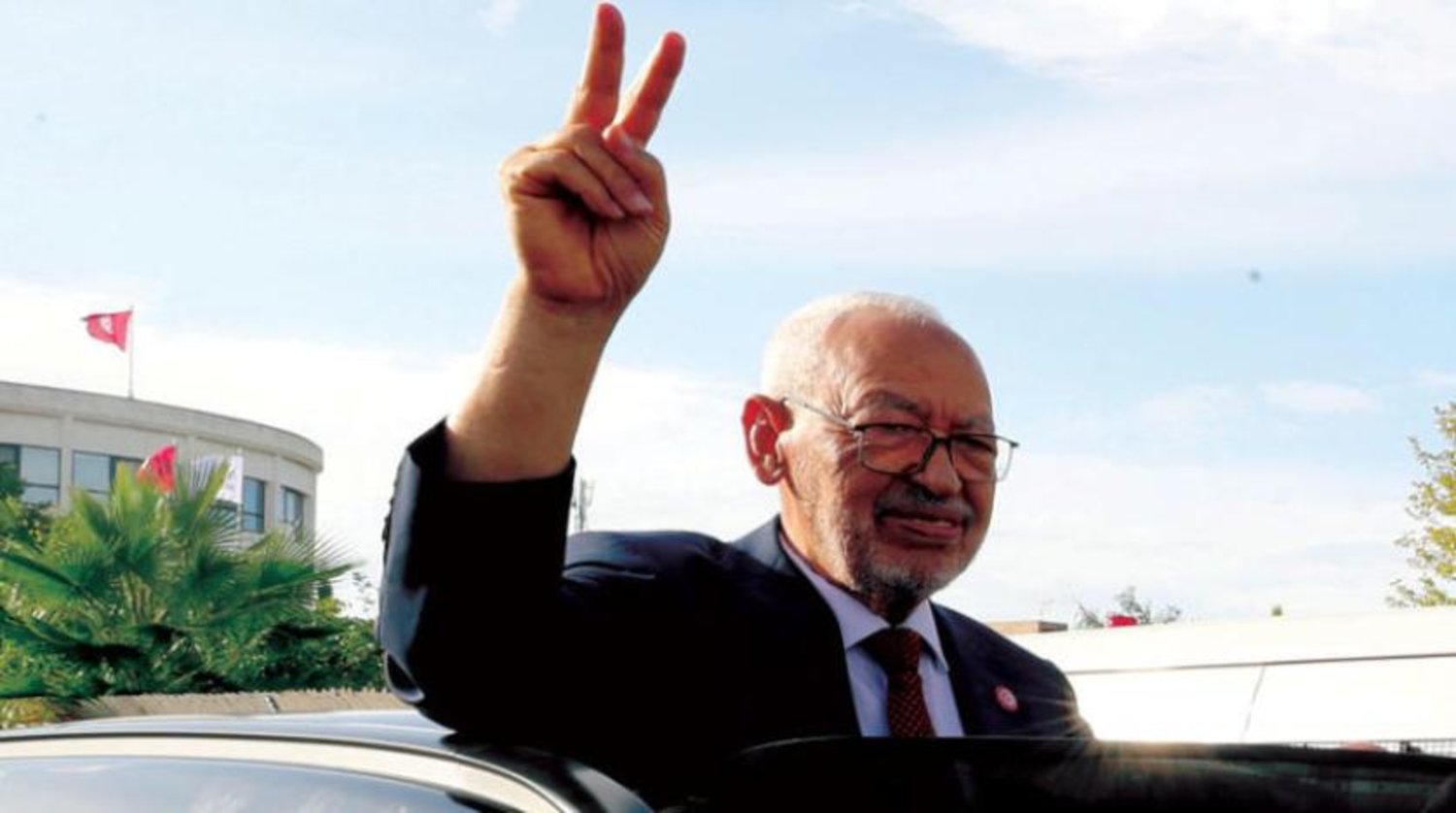
Tunisia is currently experiencing a wave of political debate after the indictment chamber in the Court of Appeal decided to refer former Tunisian Prime Minister Mohamed Ghannouchi to trial. This decision comes at a sensitive time, as Ghannouchi is regarded as one of the prominent figures who contributed to rescuing the country following the departure of former President Zine El Abidine Ben Ali in 2011.
The charges against Ghannouchi relate to financial corruption, which has sparked mixed reactions among the Tunisian public. Some view this trial as part of a larger political struggle, while others consider it a necessary step towards achieving justice and combating corruption.
Details of the Case
In the details of the case, Ghannouchi and a former director general at the Ministry of Youth have been referred to trial following lengthy investigations. Official documents have indicated suspicions of corruption related to the management of public funds, necessitating judicial intervention. Ghannouchi, who held the position of Prime Minister during a critical period in Tunisia's history, now faces a legal challenge that could impact his political reputation.
Ghannouchi is a controversial figure, seen as a savior of Tunisia from the chaos that followed the revolution, yet simultaneously accused of corruption. These contradictions reflect the state of political division in the country, where opinions vary regarding Ghannouchi's role in the transitional phase.
Background & Context
Tunisia's modern history is filled with complex political events, having witnessed a revolution in 2011 that led to the ousting of Ben Ali's regime. After the revolution, Ghannouchi assumed the role of Prime Minister during a sensitive period when the country was in dire need of political and economic stability. However, the challenges faced by the transitional government, including corruption and unemployment, have affected Ghannouchi's reputation.
The trial of Ghannouchi is part of broader efforts to combat corruption in Tunisia, as the current government seeks to restore citizens' trust in institutions. However, these efforts face criticism from some factions who believe they may be driven by political agendas.
Impact & Consequences
The trial of Ghannouchi could significantly impact the political landscape in Tunisia. If the charges against him are proven, it could destabilize the political parties that supported his government. Conversely, if he is acquitted, it may bolster his political standing and restore some of his popularity.
This case also serves as an indicator of the complexity of the political scene in Tunisia, where legal issues intertwine with politics. The outcomes of the trial could affect relationships between various political parties and may lead to changes in political alliances.
Regional Significance
The trial of Ghannouchi is an important event not only for Tunisia but for the Arab region as a whole. This case reflects the challenges faced by Arab countries in combating corruption and promoting democracy. It also highlights the importance of judicial independence in achieving justice.
In light of the volatile political situations in many Arab countries, Tunisia's experience in dealing with corruption and accountability may serve as a model to follow. The success or failure of this trial could influence reform movements in other countries and reflect the ability of governments to confront corruption.
In conclusion, the trial of Mohamed Ghannouchi remains a turning point in modern Tunisian history, intertwining political and legal issues. Political and media circles will closely follow this case due to its potential implications for the future of the country.