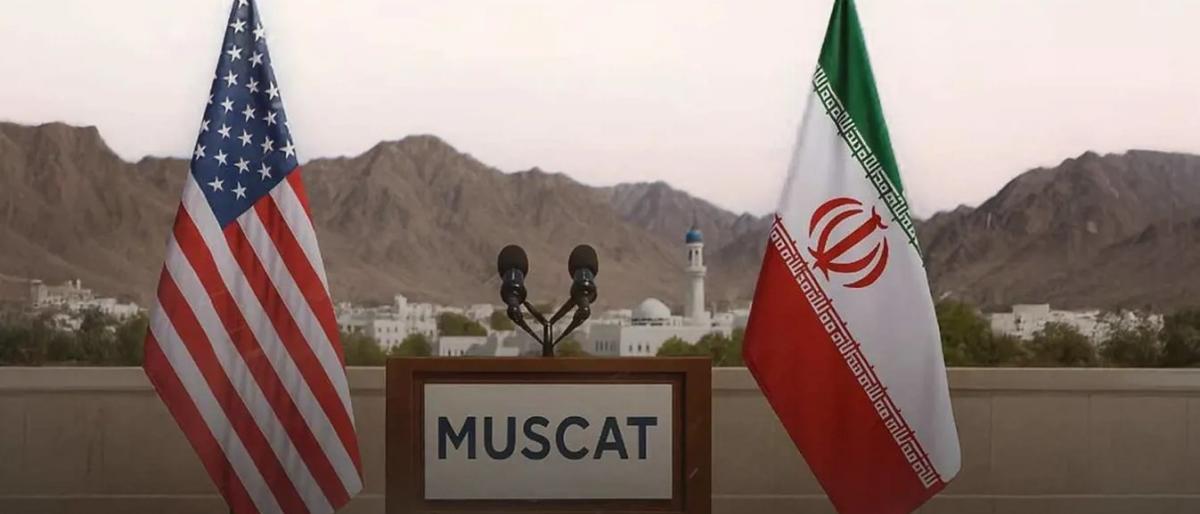
Egypt, Pakistan, and Turkey are seeking to play a mediating role between the United States and Iran in an attempt to draft a peace agreement that would end the military confrontation that has been ongoing for nearly four weeks. The Washington Post revealed that intensive diplomatic moves are underway to open indirect communication channels between the two parties, with senior officials from the three countries acting as intermediaries to convey messages between U.S. envoy Steve Wittekov and Iranian Foreign Minister Abbas Araghchi.
According to the report, these efforts have resulted in extending the deadline granted to Tehran to open the Strait of Hormuz by an additional five days, as noted by U.S. President Donald Trump, who confirmed that there are "major points of agreement" between the two sides.
Details of the Mediation Efforts
As part of this mediation, the Egyptian Foreign Ministry announced a series of phone calls with the foreign ministers of Turkey, Pakistan, and Iran, in addition to the U.S. envoy, to ensure that the region does not slip into a comprehensive escalation. For his part, Turkish Foreign Minister Hakan Fidan confirmed that Ankara is seeking to integrate the capabilities of influential regional powers to reach sustainable solutions.
Islamabad has emerged as a new pivotal player in this round, as Trump made a phone call to Pakistani Army Chief General Asim Munir, amid reports that the Pakistani capital is a candidate to host an anticipated meeting between the two parties. The Washington Post quoted a former Egyptian official familiar with the discussions as saying that this triangular mediation enjoys a "remarkable degree of acceptance" among the conflicting parties.
Context and Background
These moves come at a time when the situation in the region is witnessing military escalation, as the United States continues to pressure Iran to comply with its demands regarding halting uranium enrichment and reducing its ballistic program. Officials have indicated that work continues to bridge the gaps in perspectives, despite the ongoing military operations on the ground.
Despite these efforts, Tehran has officially denied the existence of any direct or indirect talks, with Iranian Parliament Speaker Mohammad Baqer Qalibaf confirming that he is not engaged in any negotiations. This contradiction in positions reflects the complexities facing international mediation.
Implications and Consequences
If this mediation succeeds, it could lead to a reduction in tensions in the Middle East, which is suffering from multiple conflicts. Additionally, the success of negotiations may contribute to stabilizing global energy markets, especially given the importance of the Strait of Hormuz as one of the most crucial maritime routes for oil trade.
On the other hand, the failure of these efforts could lead to greater military escalation, threatening regional security and increasing the suffering of civilians in conflict areas. Therefore, monitoring the developments of this mediation will be of great importance to the actors in the region.
Impact on the Arab Region
This mediation represents an opportunity for Arabs to enhance their role in resolving regional disputes, as Arab countries can play a pivotal role in supporting peace efforts. Furthermore, the success of the mediation could open the door for improving relations between Arab countries and Iran, contributing to greater stability in the region.
In conclusion, all eyes remain on the outcomes of these diplomatic moves, as any progress in the negotiations could have profound effects on the future of relations between major powers in the region.