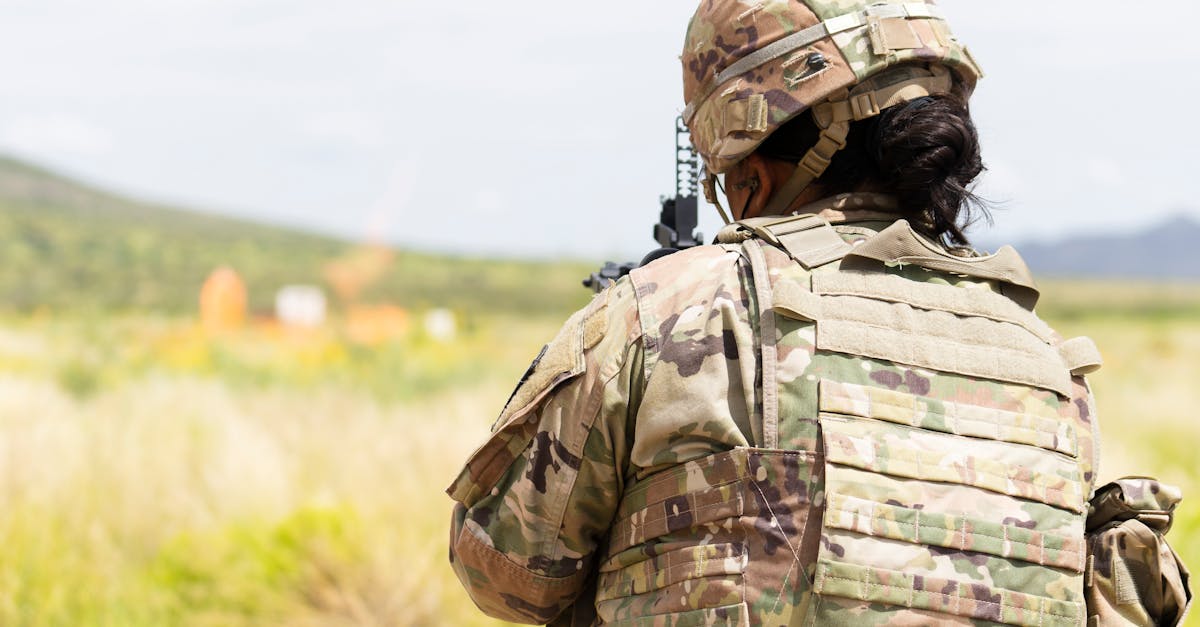
The 'Operation Epic Fury', carried out by the United States and Israel, has resulted in a radical shift in the Iranian scene within just one month. Iran has witnessed a collapse of its naval fleet and the uprooting of Revolutionary Guard leaders, prompting questions about the possibility of a popular revolution that could reshape the political map of the country.
These developments come at a time when Iran is suffering from increasing internal and external pressures, with voices demanding change rising amid worsening economic and social crises. As the regime's ability to control the situation wanes, it appears that the Iranian street may be on the brink of explosion.
Details of the Operation
'Operation Epic Fury' began as a response to Iranian movements in the region, which were deemed a threat to regional security. The operation included precise targeting of Iranian military bases, leading to a significant decline in the Revolutionary Guard's maneuverability. Additionally, several prominent military leaders were targeted, increasing chaos within the Iranian military institution.
Reports indicate that these operations could serve as a precursor to a popular uprising, as calls from regime opponents both domestically and abroad have intensified for unity against the government. Polls have shown that a large percentage of Iranians feel frustrated with the current situation, bolstering the chances of widespread protests.
Background & Context
Historically, Iran has witnessed several popular uprisings, the most notable being the Islamic Revolution of 1979, which led to the overthrow of the Shah's regime. Since then, the country has faced numerous challenges, including economic sanctions and international isolation. These factors have significantly impacted the daily lives of citizens, increasing discontent.
In recent years, protests against the government have escalated due to economic crises, including rising unemployment rates and the devaluation of the currency. These conditions may serve as the fuel that ignites the revolution, especially under the current circumstances the country is experiencing.
Impact & Consequences
If a popular uprising were to erupt in Iran, it could lead to radical changes in the region. Iran is considered a key player in many regional conflicts, and any change in its political system could affect the balance of power in the Middle East. Moreover, this could open the door for new forces to take control, potentially leading to a reshaping of regional alliances.
Furthermore, any unrest in Iran could impact oil prices, as Iran is one of the largest oil producers in the world. Any decline in Iranian oil production or exports could lead to a rise in global prices, affecting the world economy.
Regional Significance
The neighboring Arab countries of Iran are among the most affected by the Iranian situation. Tensions between Iran and Arab countries, especially the Gulf states, could escalate if an uprising breaks out. Additionally, any change in the Iranian regime could affect Tehran's support for militias in the region, altering the dynamics of conflict in Syria, Iraq, and Lebanon.
Ultimately, the situation in Iran remains in a state of anticipation, as many wonder about the country's future and whether it will witness a new revolution that reshapes its political and social reality.