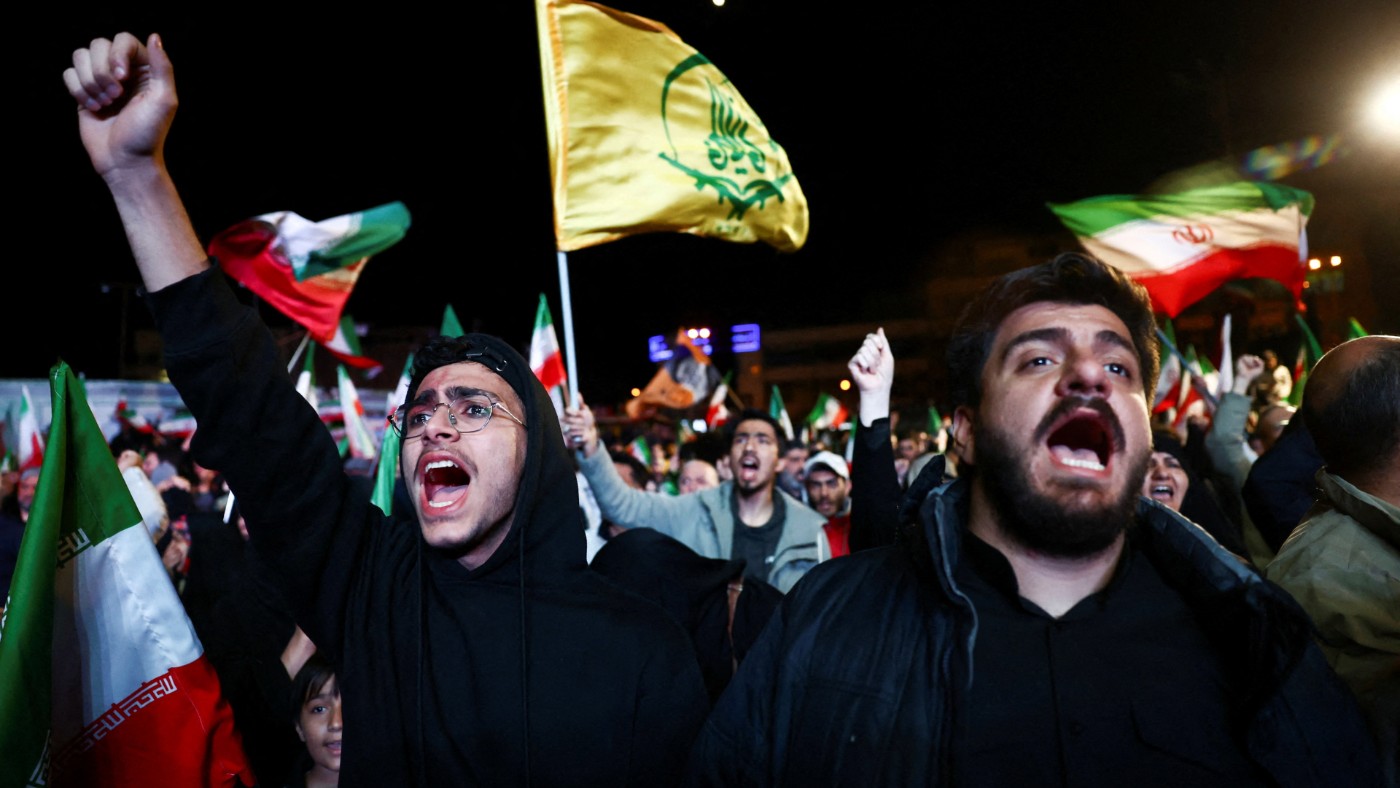
In an unexpected move, U.S. President Donald Trump announced his acceptance of a 10-point plan presented by Iran to end the ongoing war between the two countries. This announcement came less than 24 hours after his threats to end Iranian civilization, reflecting a dramatic shift in U.S. policy towards Tehran.
The plan, which Trump described as a "practical basis for negotiation," includes a set of conditions such as imposing fees on ships crossing the Strait of Hormuz and lifting all sanctions imposed on Iran. Details of the plan were published in both English and Persian, with some discrepancies between the two versions.
Details of the Announcement
If the outlines of the plan are accepted, it would represent a significant concession from the United States, which had launched attacks on Iran in cooperation with Israel at the end of February. This announcement has sparked angry reactions in Israel, where opposition leader Yair Lapid described the plan as the biggest "political disaster in our history."
The plan also calls for a halt to Israeli attacks on Lebanon, reflecting the increasing tensions in the region. Iranian historian Iskander Sadeqi Borujerdi noted that the plan goes beyond the 2015 nuclear agreement, from which Trump unilaterally withdrew in 2018, as the new plan is seen as a comprehensive restructuring of the regional system in favor of Iran.
Background & Context
Historically, U.S.-Iranian relations have been marked by increasing tensions since the Islamic Revolution in 1979. Repeated U.S. sanctions on Iran have led to the deterioration of the Iranian economy and increased poverty among its citizens. In 2018, Trump withdrew from the nuclear agreement that had been established during the presidency of Barack Obama, further escalating tensions.
Iran is now seeking to lift all sanctions imposed on it, which could represent a significant shift in relations between the two countries after 40 years of tension. The plan also includes imposing fees on ships passing through the Strait of Hormuz, which could enhance Iran's strategic position in the region.
Impact & Consequences
This plan is seen as an opportunity to rebuild relations between Iran and the United States, but it may also escalate tensions with Israel. The Israeli opposition to the plan may reflect fears that it could strengthen Iran's influence in the region, especially with allies such as Hamas and Hezbollah.
These developments are likely to affect global markets, particularly in the energy sector, as the Strait of Hormuz is a vital transit point for about 20% of the world's oil. Reopening the strait under Iranian conditions could significantly alter market dynamics.
Regional Significance
For Arab countries, these developments may represent both a challenge and an opportunity. Lifting sanctions on Iran could bolster its position in the region, potentially increasing its influence in neighboring countries. At the same time, these developments may prompt some Arab nations to reassess their security and diplomatic strategies.
In conclusion, this plan remains a subject of extensive debate, as it requires complex negotiations between the involved parties. Trump's acceptance of this plan could mark a new beginning in U.S.-Iranian relations, but challenges still persist.