Trita Parsi, Vice President of the Quincy Institute, has indicated that the United States has begun to reassess its strategy towards Iran, demonstrating an intention to negotiate the opening of the Strait of Hormuz based on a framework consisting of 15 points presented by Tehran. This approach signifies a notable transformation in the dynamics of the ongoing conflict between the two parties.
Previously, the United States had adopted a stringent policy towards Iran, but repeated threats from Tehran to close the Strait of Hormuz, a vital artery for global oil supplies, have compelled Washington to reconsider its stance. This step suggests that Tehran has managed to maintain its leverage in the dispute, complicating the situation further.
Details of the Event
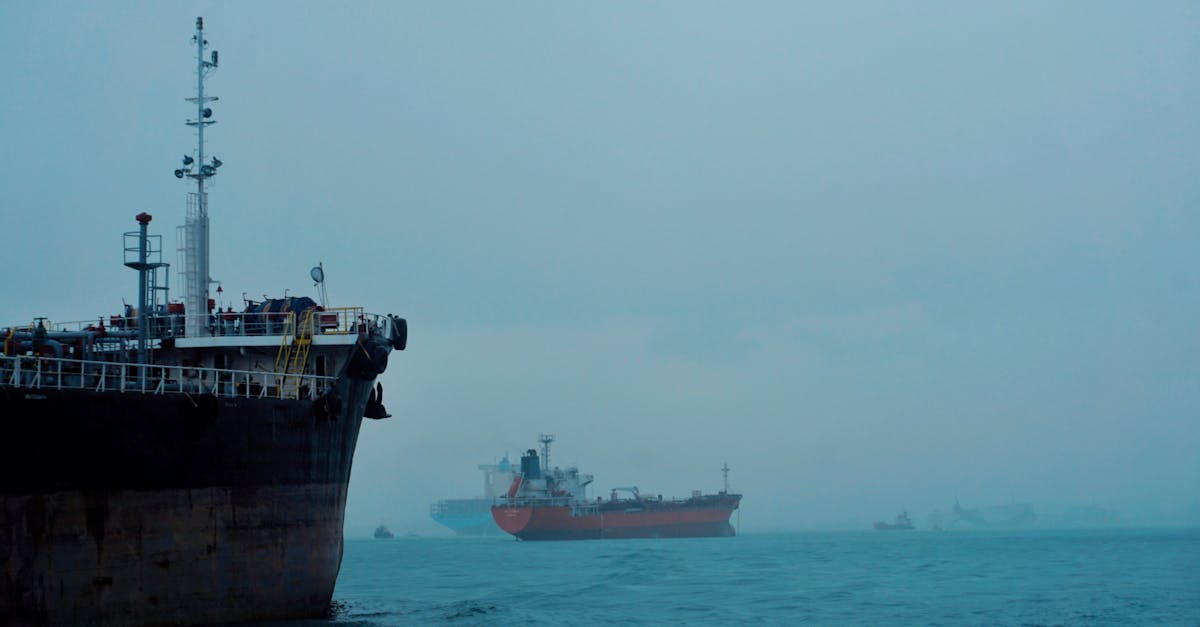
The Strait of Hormuz is a critical strategic point, through which approximately 20% of global oil supplies pass. Iran has utilized its threats to close the strait as a means to exert pressure on the United States and its allies. In this context, Parsi's statements highlight how these threats have influenced American policy.
Parsi pointed out that Iran has not only threatened oil supplies but has also managed to exploit these threats to strengthen its position in negotiations. This shift in dynamics may pave the way for more dialogue between the two sides, potentially leading to a de-escalation of tensions in the region.
Background & Context
Historically, U.S.-Iran relations have been marked by increasing tensions since the Islamic Revolution in 1979. These tensions escalated particularly after the U.S. withdrawal from the Iranian nuclear agreement in 2018, which resulted in the imposition of severe economic sanctions on Tehran. In recent years, Iran has employed various strategies, including threats to close the Strait of Hormuz, as a means to pressure the United States.
Despite economic pressures, Iran has managed to maintain some regional influence, making it a key player in conflicts across the Middle East. This influence is evident in its support for militias in Iraq, Syria, and Lebanon, further complicating the regional landscape.
Impact & Consequences
Changes in the dynamics between the United States and Iran could lead to a reshaping of regional policies. If negotiations succeed, this could result in a de-escalation of tensions in the region, positively impacting global oil markets. However, any failure in these negotiations could lead to a new escalation in conflict, threatening regional stability.
Moreover, Iran's success in maintaining its influence may encourage other countries in the region to adopt similar strategies, further complicating international relations in the Middle East. This situation requires Arab nations to take strategic positions to address new challenges.
Regional Significance
Arab countries, particularly those reliant on oil exports, are significantly affected by the tensions between the United States and Iran. Any escalation in the conflict could impact oil prices, negatively affecting the economies of these nations. Therefore, dialogue and negotiation between the United States and Iran could have a direct impact on the region's stability.
At the same time, Arab nations must be prepared to deal with any changes in the regional landscape, whether positive or negative. Regional cooperation may be key to facing future challenges and ensuring stability in the region.