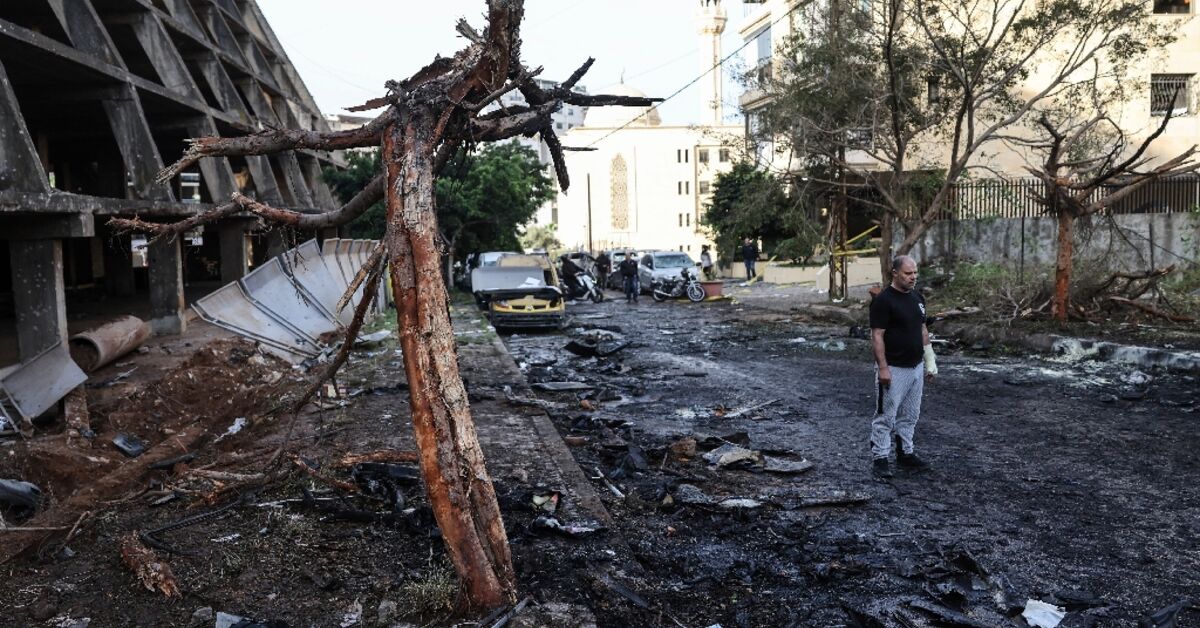
U.S. President Donald Trump is preparing to deliver a national address on the war in Iran, at a time when economic concerns are rising and his popularity is waning. Trump is expected to speak in a major address on Wednesday evening, his first since the conflict began, as he faces increasing pressure from voters due to deteriorating economic conditions.
The White House has not disclosed details of the speech, but Trump has previously indicated that Iran is seeking to halt the fighting, raising questions about the possibility of reaching a ceasefire agreement. He also mentioned that the fighting could end within two to three weeks, reflecting cautious optimism regarding the developments in the conflict.
Details of the Event
These statements come at a very sensitive time, as the intensity of the conflict in the region has escalated, leading to heightened tensions between the United States and Iran. Recent days have seen an escalation in military operations, raising fears of a wider war and its impact on regional stability.
In contrast, Iran has denied any intention to stop fighting, complicating the situation further. This statement from Iran serves as a response to the international and domestic pressures it faces, as the Iranian government seeks to maintain its strong position in the face of U.S. pressures.
Background & Context
Historically, tensions between the United States and Iran date back decades, with the relationship between the two countries experiencing numerous crises, starting from the Iranian Revolution in 1979 to the economic sanctions imposed by the United States on Iran. These events have significantly deteriorated relations, contributing to the current escalation of the conflict.
The situation in the region is influenced by multiple factors, including the conflicts in Syria and Iraq, where Iran plays a prominent role. These regional dynamics make it difficult to reach peaceful solutions, as political and military interests intertwine.
Impact & Consequences
If the war continues to escalate, it could lead to serious consequences at both regional and international levels. Armed conflicts are likely to affect oil prices, which could negatively impact the global economy. Additionally, the ongoing conflict may exacerbate humanitarian crises in the region, as civilians suffer from the effects of war.
Moreover, military escalation could increase tensions among major powers, potentially dragging the region into broader conflicts. The current situation requires the international community to take serious steps to reduce escalation and facilitate dialogue among the concerned parties.
Regional Significance
The Arab countries neighboring Iran are among the most affected by the conflict, as any escalation in the war could have direct repercussions on security and stability in these nations. Furthermore, the regional conflicts could lead to an influx of refugees and increased sectarian tensions.
It is crucial for Arab nations to remain in contact with major powers to avoid exacerbating the situation. They should also work to enhance regional cooperation to address common challenges, including food and economic security.
In conclusion, the situation in the Middle East remains complex and requires collective efforts from all parties to achieve peace and stability.