The Trump administration recently announced its decision to spend an additional $13 billion from taxpayer funds on the Medicare Advantage program, which is considered one of the largest health programs in the United States. This decision comes at a time when criticisms regarding the program's efficiency are increasing, as many experts point out that it imposes costs of up to $76 billion annually on citizens.
This move is part of the administration's efforts to enhance healthcare, but it raises questions about the management of public funds. The program, which aims to provide comprehensive health services for seniors, faces criticism due to the high costs borne by taxpayers, raising concerns about its financial sustainability.
Event Details
The Medicare Advantage program is an alternative to traditional Medicare, offering a variety of health services including medical and therapeutic care. However, critics indicate that the program suffers from issues related to transparency and efficiency, with some companies believed to be excessively benefiting from the funds allocated to it. In this context, a recent report shows that the program imposes significant financial burdens on taxpayers, necessitating a reevaluation of its management.
These decisions come amid increasing political pressure on the Trump administration, as Republicans seek to strengthen their position in the upcoming elections. However, the question remains whether these steps will lead to actual improvements in the services provided to citizens or if they are merely superficial measures aimed at enhancing the political image.
Background & Context
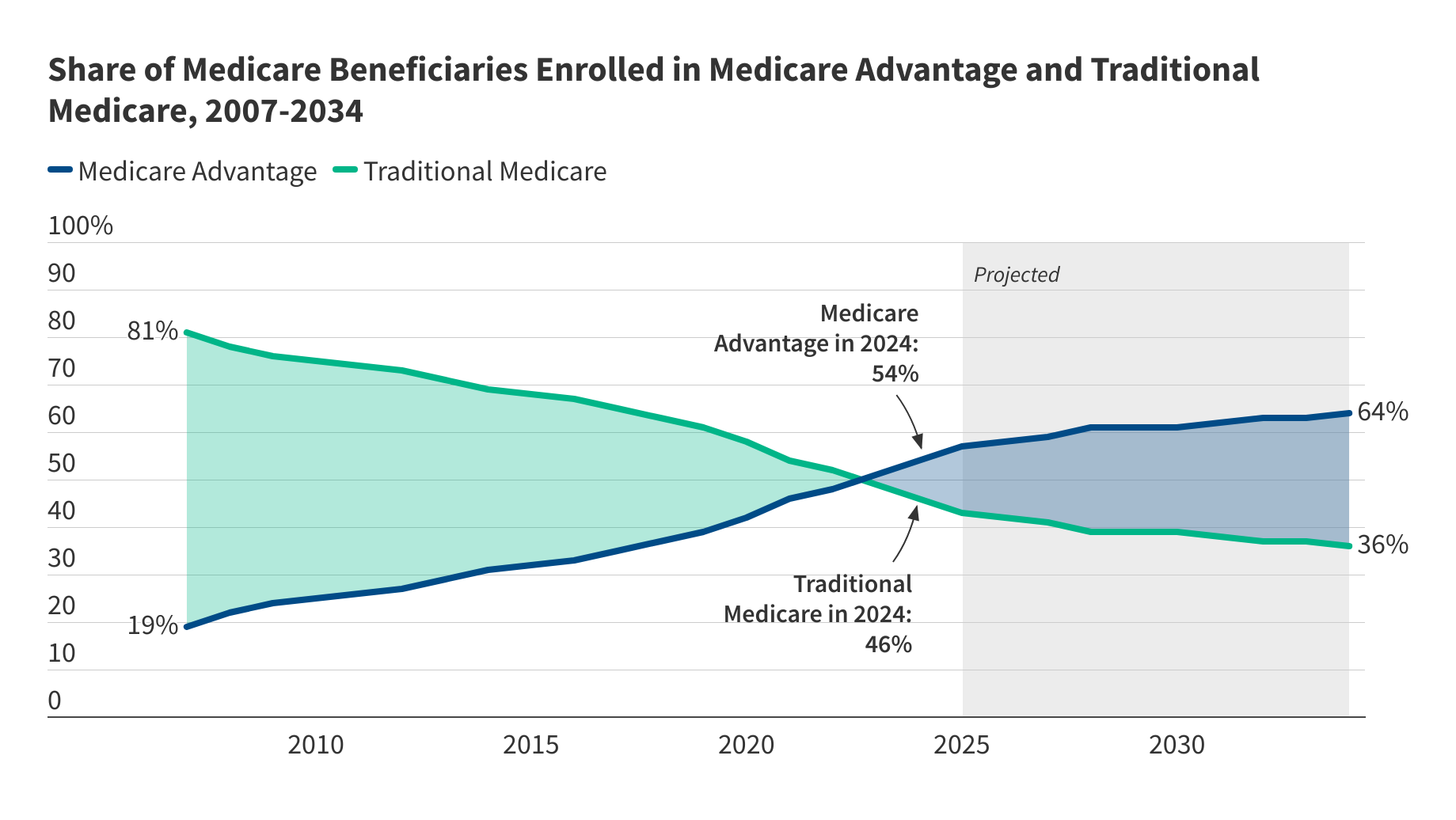
The Medicare Advantage program was established in 2003 as part of the U.S. government's efforts to expand healthcare coverage for seniors. Since then, the program has seen significant growth in the number of enrollees, making it one of the largest health programs in the country. However, criticisms regarding its high costs and effectiveness have escalated in recent years, prompting many observers to call for radical reforms.
Historically, there have been multiple attempts to reform the program, but they have not achieved the desired success. This presents a significant challenge for the current administration, which faces pressure from various political and social factions.
Impact & Consequences
Reports indicate that increased spending on the Medicare Advantage program may exacerbate the financial burdens on taxpayers, potentially negatively impacting the U.S. economy as a whole. Additionally, this move may lead to heightened criticism directed at the administration, which could affect the Republicans' prospects in the upcoming elections.
Moreover, the continued imposition of high costs on citizens may lead to a decline in trust in the American healthcare system, adversely affecting the quality of care provided. Under these circumstances, it is crucial for the government to take effective steps to ensure transparency and efficiency in the management of public funds.
Regional Significance
Although this event pertains to the United States, it has potential implications for the Arab region. The American healthcare model is of interest to many Arab countries seeking to improve their healthcare systems. American experiences, whether positive or negative, may serve as important lessons for Arab nations in their pursuit of healthcare system development.
In conclusion, the question of how public funds are managed in health programs is vital, not only for the United States but also for countries aiming to enhance their healthcare services. Governments must learn from past experiences to ensure the provision of effective and sustainable healthcare services.