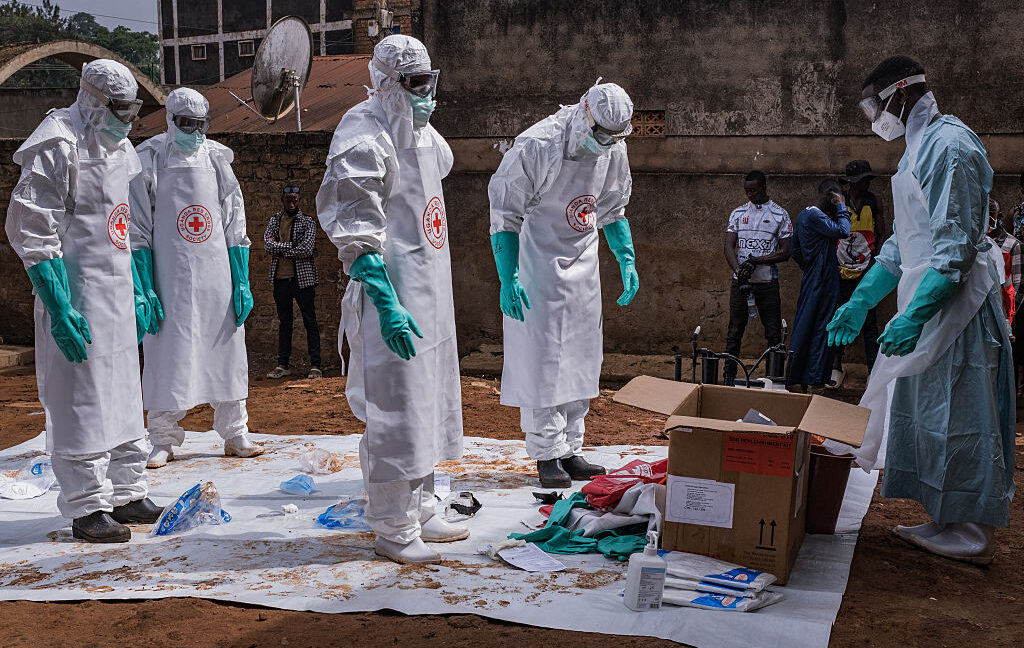
The administration of President Donald Trump has unveiled new measures to combat the threat of the Ebola virus, with plans to transfer Americans who have been exposed to the virus to Kenya. This initiative is part of the U.S. government's efforts to protect citizens from the risk of the virus's spread, which continues to pose a health threat in certain regions.
In this context, the Trump administration has requested that employees of the Centers for Disease Control and Prevention (CDC) volunteer to screen travelers at airports. This measure aims to bolster health security and prevent the virus from entering the United States, where airports serve as major entry points for viruses and infectious diseases.
Event Details
These measures come at a time when concerns about the spread of the Ebola virus have intensified, particularly following the emergence of new cases in several African countries. Reports indicate that the virus remains a significant threat, necessitating the implementation of stringent preventive measures. The transfer of Americans to Kenya is part of a broader plan to address any potential cases that may arise in the future.
The Trump administration seeks to ensure that all travelers who may have been exposed to Ebola undergo thorough screenings before entering the country. This action is considered part of a comprehensive strategy to tackle global health threats.
Background & Context
Historically, the world has witnessed several outbreaks of the Ebola virus, which was first identified in 1976. Since then, outbreaks have recurred in various countries, resulting in thousands of deaths. In 2014, West Africa experienced the largest outbreak of the virus, prompting governments to take strict measures to curb its spread.
The United States has been directly affected by the Ebola outbreak, with cases reported among its citizens. Therefore, the current measures aim to protect American citizens and ensure that a repeat of past incidents does not occur.
Impact & Consequences
This step by the Trump administration serves as a warning to other countries about the importance of taking preventive measures against infectious viruses. It also reflects the U.S. government's commitment to safeguarding the health of its citizens, even if it means relocating them to other countries.
These measures are expected to impact travel and trade between the United States and African nations, as travelers may feel apprehensive about the risk of exposure to Ebola. Furthermore, this initiative could lead to increased awareness regarding the importance of health screenings at airports.
Regional Significance
Although the Ebola virus has not spread significantly in Arab countries, the actions taken by the United States may influence health and trade relations between Arab nations and the U.S. Arab countries may also adopt similar measures to protect their citizens from any potential health threats.
Ultimately, these events highlight the importance of international cooperation in addressing health threats, as viruses do not recognize borders. Countries must work together to ensure the safety of their citizens and share information and expertise to tackle health challenges.