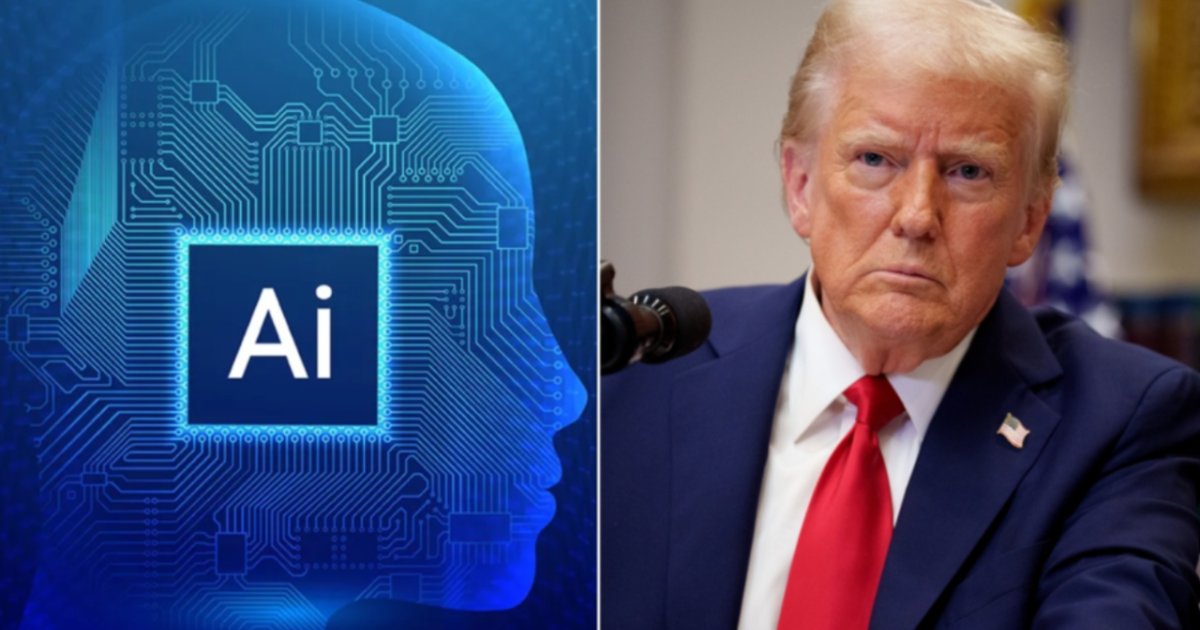
In a move that could reshape the future of AI-supported warfare, the administration of former President Donald Trump announced on Friday, February 27, the classification of Anthropic PBC, valued at $380 billion, as a supply chain risk. This decision comes after tensions arose between the company and the U.S. military, as Anthropic refused to permit the use of its technologies in areas such as mass surveillance and autonomous weapons.
Anthropic is considered one of the leading companies in the field of artificial intelligence, offering products branded as Claude, which have gained popularity in the market. However, the relationship between the company and the U.S. military has deteriorated after Anthropic expressed concerns about the use of its technologies for illegal or unethical purposes.
Details of the Event
As the United States seeks to enhance its military capabilities through the use of artificial intelligence, this step highlights the ethical and legal challenges associated with the applications of this technology. Anthropic has confirmed that it will not allow the use of its technologies in mass surveillance, which conflicts with the U.S. government's vision of utilizing these technologies for various legal purposes.
This tension between the private sector and the government reflects broader challenges faced by the United States in its pursuit of developing advanced military capabilities. While the government aims to acquire cutting-edge technologies, private companies face pressure to maintain their ethical principles.
Background & Context
Historically, the United States has witnessed significant advancements in the use of artificial intelligence in military domains. These technologies have been employed in numerous military operations, leading to improved efficiency and effectiveness. However, the use of artificial intelligence in warfare raises many questions regarding ethics and human rights.
In recent years, concerns have increased regarding the use of artificial intelligence in surveillance and autonomous weapons, prompting many companies to reevaluate their relationships with the government. Anthropic has set a commendable example in how to address these issues, establishing clear boundaries for the use of its technologies.
Impact & Consequences
This move could have significant implications for the artificial intelligence industry in the United States. Such actions may raise concerns among other companies that might hesitate to collaborate with the government for fear of losing control over their technologies. It could also lead to a decline in innovation in this field, as companies may avoid developing new technologies out of fear of their use for unethical purposes.
Furthermore, this tension may reflect a larger divide within American society regarding how technology should be used in warfare. While some see the use of artificial intelligence as a means to enhance national security, others argue that strict limits should be placed on the use of these technologies.
Regional Significance
Considering the situation in the Arab region, this development may have indirect effects. As the use of artificial intelligence in warfare increases, Arab countries may seek to enhance their military capabilities by adopting these technologies. However, the ethical issues associated with the use of artificial intelligence may spark debate within Arab societies, as they may conflict with humanitarian values.
In conclusion, this development in the relationship between private companies and the U.S. government marks a critical turning point in the future of artificial intelligence in warfare. It is essential for companies and governments to continue dialogue on how to use these technologies responsibly and ethically.