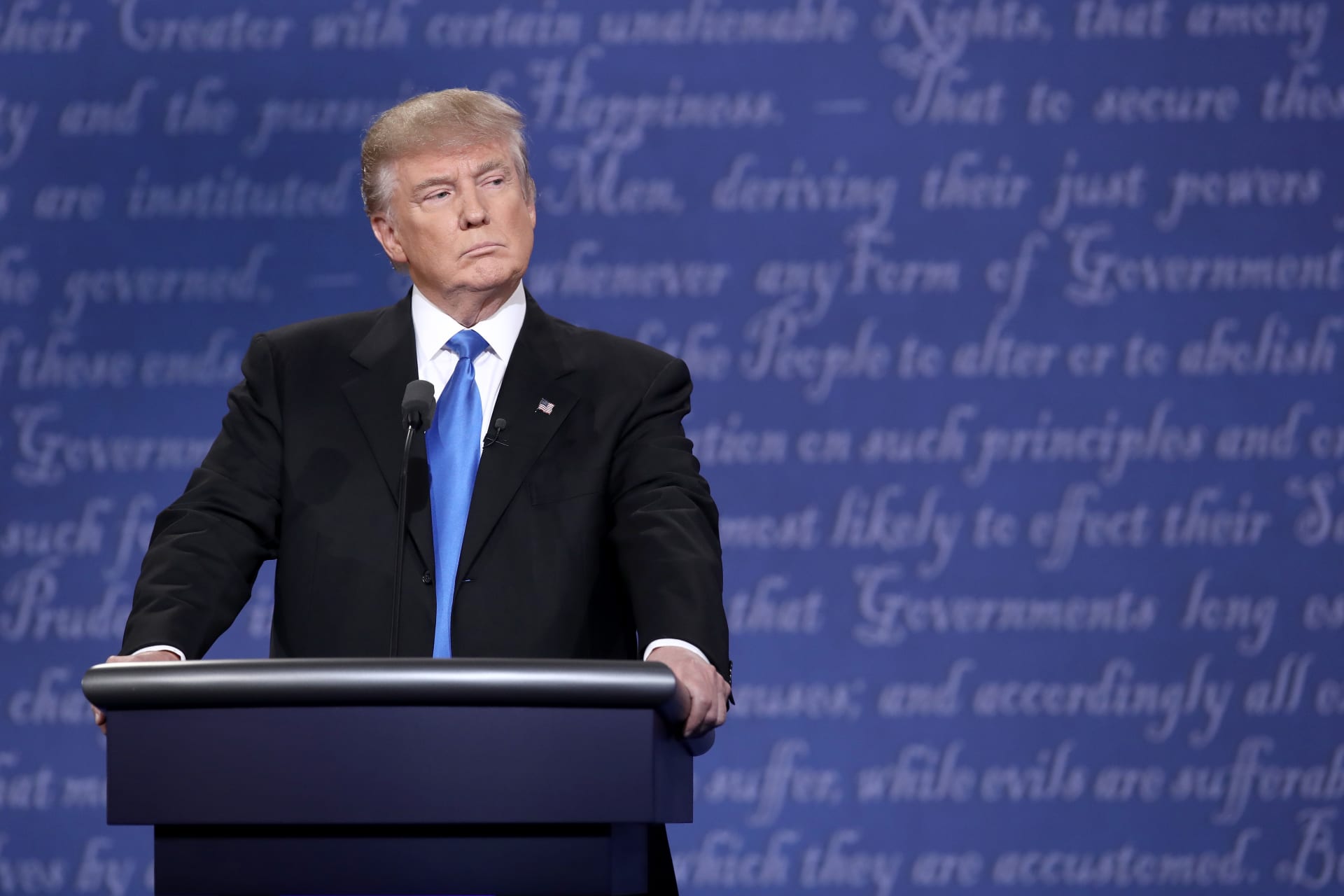
The Trump administration is facing severe criticism domestically after supporting the easing of sanctions on Iranian oil, potentially allowing Tehran to generate revenues of up to $14 billion.
This move comes at a sensitive time as Trump seeks to strengthen economic ties with other countries, while pressure mounts from certain American political circles that believe this easing could empower the Iranian regime and enhance its ability to execute its regional policies.
Details of the Event
Reports indicate that the Trump administration has begun reviewing the sanctions imposed on the Iranian oil sector, which could open the door for Iran to export more oil to global markets. This step comes at a time when Iran is suffering from a crippling economic crisis, as its oil revenues have significantly declined due to American sanctions.
Tehran is eager to restore its oil revenues, which have been severely impacted since the United States withdrew from the nuclear agreement in 2018. Some Iranian officials have indicated that easing sanctions could help improve the country's economic situation and bolster the stability of the regime.
Background & Context
Historically, relations between the United States and Iran have been tense, with the past decades witnessing numerous political and economic crises. Since 1979, when the U.S.-backed Shah was overthrown, Iran has become a target of multiple American sanctions.
In 2015, a nuclear agreement was reached between Iran and major powers, under which some sanctions were lifted in exchange for Iran scaling back its nuclear program. However, in 2018, Trump decided to withdraw from the agreement and reimpose sanctions, leading to a deterioration of the economic situation in Iran.
Impact & Consequences
Easing sanctions on Iranian oil could have significant repercussions at both regional and international levels. On one hand, it may help Iran improve its economic standing, potentially strengthening its position in future negotiations regarding its nuclear program.
On the other hand, this easing could escalate tensions with U.S. allies in the region, particularly the Gulf states that view Iran as a threat to their security. There are also concerns that Iran may resume bolstering its military activities in the region, which could intensify existing conflicts.
Regional Significance
For Arab countries, easing sanctions on Iran could mean an increase in Iranian influence in the region. Some countries, such as Saudi Arabia and the UAE, may be concerned that this easing could enhance Iran's ability to support armed groups in Iraq, Syria, and Lebanon.
Additionally, there are fears that this situation could escalate sectarian tensions in the region, as Iran is a major force in supporting Shiite groups, potentially increasing divisions between Sunni and Shiite populations.
In conclusion, the question remains open regarding the extent to which this step will impact regional stability and whether it will lead to further tensions or new opportunities for dialogue.