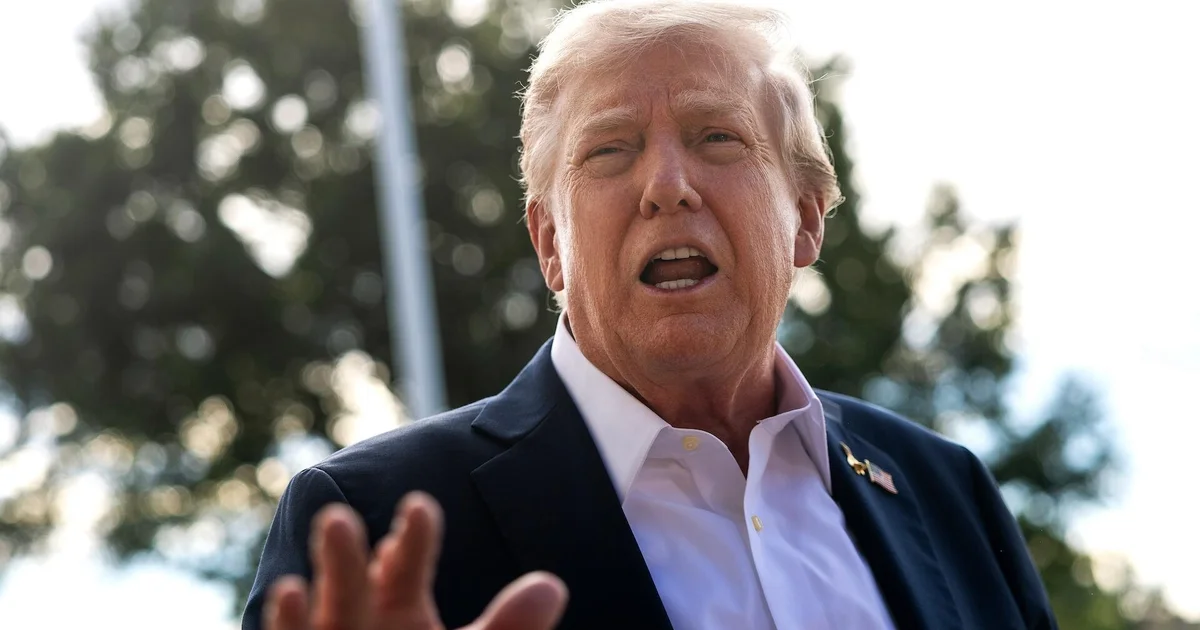
The Trump administration is preparing to impose new tariffs on imported drugs from companies that have not reached agreements with the U.S. president to lower drug prices in the United States. According to information obtained by CNBC, patented drugs and their active ingredients will be subject to tariffs of up to 100%.
Leaked documents indicate that there are ways for pharmaceutical manufacturers to reduce or avoid these tariffs if they move their production to the United States or are negotiating agreements with the administration. However, this proposal has not been definitively confirmed, and the timing of the official announcement remains unclear, although some reports suggest it could be announced soon.
Details of the Event
Since last November, more than ten major pharmaceutical companies, including Eli Lilly, Pfizer, and Novo Nordisk, have entered into agreements with Trump to lower prices on both new and existing drugs. These agreements are part of the president's policy known as "Most Favored Nation," which ties drug prices in the United States to those in other lower-cost countries, exempting these companies from tariffs for three years.
The new tariff plan includes a 20% tariff on companies planning to move their production to the United States, which will rise to 100% after four years. Separate rates have been set for countries such as the European Union, Japan, South Korea, Switzerland, and the United Kingdom based on bilateral agreements. At the same time, companies that have entered into complete agreements or are currently negotiating with the Department of Health and Human Services will be exempt from these tariffs.
Background & Context
This move comes at a sensitive time for the healthcare system in the United States, where many Americans are struggling with high drug costs. Drug prices in the United States are among the highest in the world, prompting the current administration to take actions aimed at reducing these prices and achieving fairness in access to medications.
Historically, there have been multiple attempts by previous administrations to lower drug prices, but they often faced resistance from major pharmaceutical companies. However, the Trump administration appears to be adopting a more stringent approach in this regard.
Impact & Consequences
If these tariffs are implemented, they could lead to a significant increase in the prices of imported drugs, negatively affecting patients who rely on these medications. It may also increase trade tensions between the United States and other countries, especially given the current economic conditions.
On the other hand, this move could encourage companies to shift their production to the United States, potentially creating new jobs and boosting the local economy. However, the question remains whether this step will lead to actual improvements in drug prices for consumers.
Regional Significance
Given the current situation, these tariffs may impact Arab countries that import drugs from the United States. If prices rise, these countries may find themselves forced to seek alternatives or reconsider their drug import strategies.
Moreover, these developments could enhance the importance of cooperation among Arab countries in the pharmaceutical industry, which may help reduce reliance on imports from major countries.