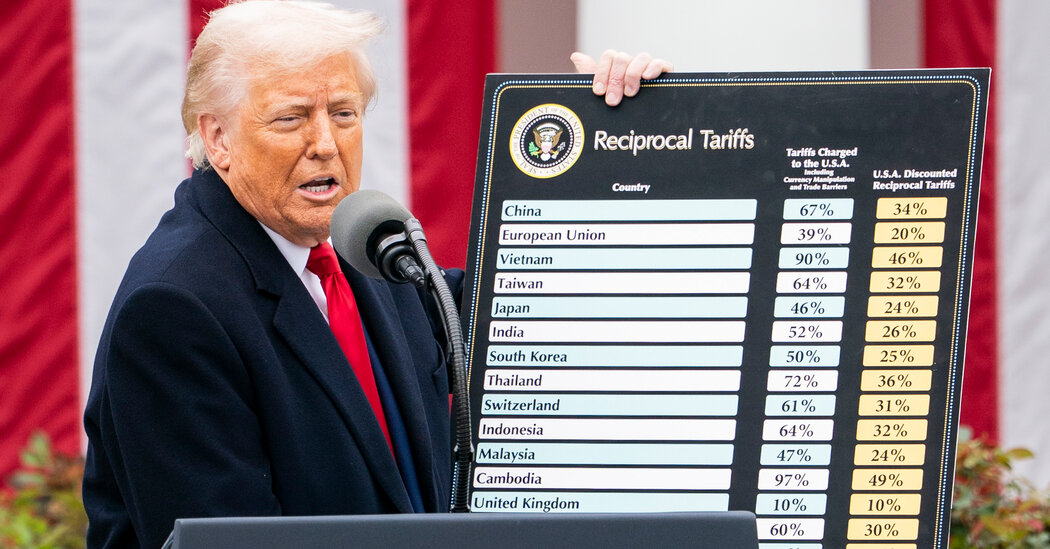
The Trump administration has announced new tariffs on drugs, reflecting its approach to enhance local production and decrease reliance on imports. This move comes at a sensitive time for the U.S. economy as the administration seeks to improve economic conditions ahead of the upcoming presidential elections.
At the same time, the administration has eased tariffs on certain metals, which is seen as an attempt to simplify the customs system and alleviate burdens on American companies. These measures reflect the administration's strategy to support domestic industry and enhance competitiveness.
Details of the New Tariffs
The new tariffs on drugs include a range of imported medications, which are expected to impact their prices in the U.S. market. The goal of these tariffs is to encourage American companies to increase their local production, potentially leading to reduced reliance on imports.
On the other hand, easing tariffs on metals such as aluminum and steel may contribute to lowering production costs for many industries. This direction could help American companies improve their profit margins and increase their competitiveness in global markets.
Background & Context
These measures are part of the U.S. administration's policy aimed at redirecting the economy towards local production. Since taking office, Trump’s administration has taken several steps to bolster American industry, including imposing tariffs on imports from countries like China.
Historically, the United States has heavily relied on imports to meet its needs for drugs and metals. However, with increasing economic pressures, the current administration has begun to take bold steps to change this reality.
Impact & Consequences
The new tariffs on drugs are expected to lead to price increases in the U.S. market, which may burden consumers. Nevertheless, the aim is to enhance local production, which could contribute to creating new jobs in the pharmaceutical sector.
As for the easing of tariffs on metals, it may help improve the situation for American companies, but it could raise concerns among some domestic producers who fear unfair competition from imports.
Regional Significance
These changes in U.S. trade policy are particularly significant for the Arab region, where many countries rely on exporting metals and products to the United States. The new drug tariffs may affect the exports of Arab countries that produce pharmaceuticals, necessitating a reevaluation of export strategies.
In conclusion, this development illustrates how U.S. trade policies impact the global economy, including Arab nations, highlighting the need for close monitoring of upcoming changes.