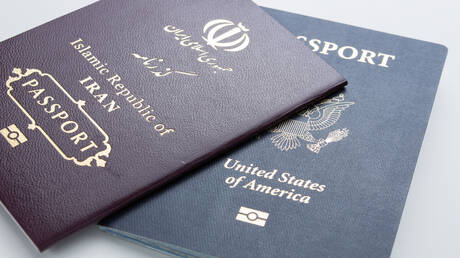
Katie Miller, a podcast host, reported that the Trump administration and Secretary of State Marco Rubio are working to revoke visas for nearly 4,000 Iranian elites residing in the United States. This action is part of the U.S. policy towards Iran, which has seen a significant escalation in recent years.
The U.S. administration aims to take serious steps to pressure the Iranian regime, considering this move as part of a broader strategy aimed at undermining Iran's influence in the region. This announcement has sparked mixed reactions among political and media circles.
Details of the Visa Revocation Plans
The U.S. plans include revoking entry visas for approximately 3,000 to 4,000 prominent Iranian figures, including academics, business leaders, and activists. This decision comes at a time when the world is witnessing increasing tensions between the United States and Iran, especially after Washington's withdrawal from the nuclear agreement in 2018.
This step is considered part of the maximum pressure policy adopted by the Trump administration against Iran, which aims to compel Tehran to change its behavior in several areas, including its nuclear program and support for armed groups in the region.
Background & Context
Historically, U.S.-Iranian relations have deteriorated continuously since the Islamic Revolution in 1979. Economic and political sanctions have exacerbated the situation, leading Iran to face significant challenges both domestically and internationally. In recent years, the United States has intensified its pressure on Iran, resulting in heightened tensions in the region.
This new step comes in the context of the Trump administration's attempts to undermine the Iranian regime by targeting influential figures in Iranian society, which could affect the country's stability and increase internal pressures.
Impact & Consequences
These actions may exacerbate the humanitarian situation in Iran, as many Iranian elites residing in the United States play a crucial role in fostering intercultural dialogue. Revoking their visas could lead to a loss of opportunities for academic and research collaboration between the United States and Iran.
Politically, this move may heighten tensions between Tehran and Washington, potentially leading to negative reactions from the Iranian government, which may perceive this as an unjustified escalation.
Regional Significance
The U.S.-Iranian relationship is a key focal point in Middle Eastern politics, affecting many Arab countries. The U.S. actions could increase tensions in the region, impacting the stability of neighboring countries such as Iraq, Syria, and Lebanon.
Moreover, escalating tensions between the United States and Iran could have negative repercussions on regional security, as armed groups in the area may exploit these circumstances to achieve their objectives.
In conclusion, developments in U.S.-Iranian relations remain a significant point of interest, as any changes could impact the overall situation in the region.