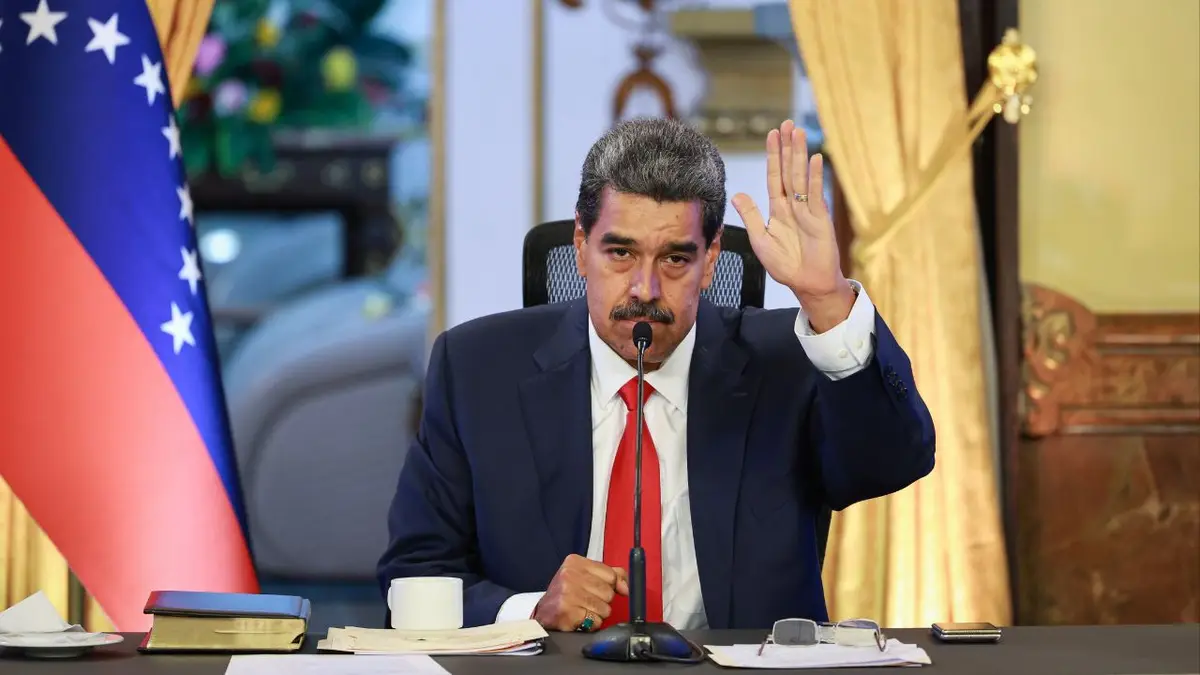
A former ally of ex-President Donald Trump testified in a U.S. court about secret lobbying efforts on behalf of the Venezuelan government. This testimony comes at a sensitive time as questions grow regarding the political and economic relations between the United States and Venezuela.
The case revolves around a trial addressing the lobbying activities conducted by certain individuals for the Venezuelan government, which has faced increasing international pressure due to human rights violations and an economic crisis. The testimony provided by the ally is part of broader investigations into how these activities have influenced U.S. policy towards Venezuela.
Details of the Testimony
During the trial, the witness was questioned about his role in organizing lobbying efforts for the Venezuelan government, revealing details about meetings and communications that took place between him and Venezuelan officials. The witness indicated that these efforts aimed to improve the image of the Venezuelan government in the United States and alleviate the international pressures imposed on it.
The challenges faced by the witness in this context were also highlighted, including criticisms he received from certain political and media circles. The testimony sparked widespread debate about the ethics associated with political lobbying activities, especially when it concerns countries facing severe criticism for their domestic policies.
Background & Context
Historically, the relations between the United States and Venezuela have been tense, especially since Venezuelan President Nicolás Maduro took power. Venezuela has been subjected to harsh economic sanctions by the United States, exacerbating the economic conditions in the country. In this context, the Venezuelan government has sought to improve its image through political lobbying efforts, as evidenced by the testimonies presented in court.
This case is part of a series of investigations focusing on lobbying activities in the United States, examining how these activities impact U.S. foreign policy. The case has garnered significant interest from the media and political observers, who see it as an opportunity for a deeper understanding of international relations.
Impact & Consequences
The implications of this case extend beyond Venezuela, raising questions about how lobbying activities influence American policy in general. If the allegations are proven true, it could lead to a reassessment of U.S. relations with other countries facing similar criticisms.
This case may also impact the upcoming U.S. elections, as it is expected to ignite discussions about foreign policy and the ethics of political lobbying. The testimony could have repercussions for the reputations of certain political figures, potentially affecting their support in the future.
Regional Significance
In the Arab context, this case can be seen as a lesson on the importance of transparency in political and economic relations. Many Arab countries face similar challenges in their relationships with major powers, making it essential to understand how to effectively manage these relationships.
Moreover, issues related to human rights and political lobbying remain sensitive topics in the region, as many countries strive to improve their international image. This case may inspire some Arab nations to reconsider their strategies in dealing with international pressures.