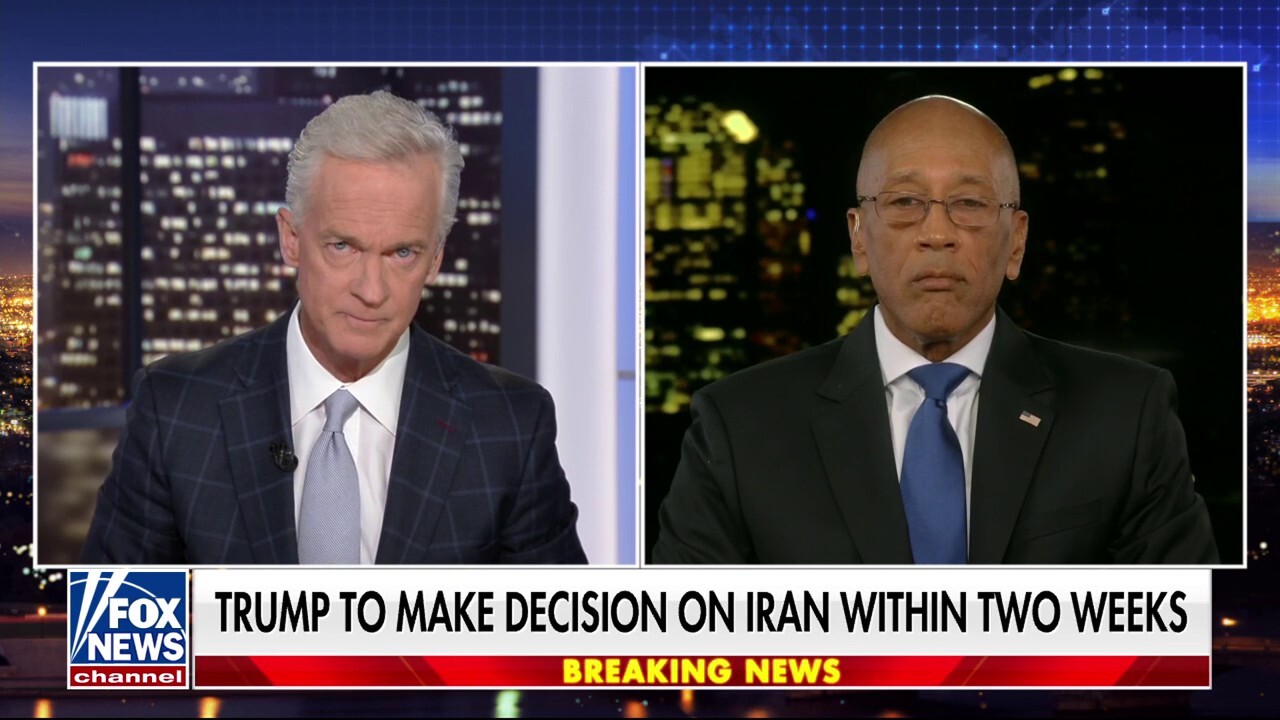
Informed sources have reported that U.S. President Donald Trump is changing his strategy towards Iran, seeking to achieve new objectives that align with regional and international developments. This shift occurs at a time when relations between Washington and Tehran are increasingly strained, raising questions about the future of U.S. policy in the Middle East.
Concerns are growing that escalating tensions could lead to open military conflict between Iran and the United States, especially following a series of attacks targeting U.S. interests in the region. In this context, it appears that Trump is looking to reassess his military and diplomatic strategy towards Tehran.
Details of the New Strategy
Trump's new strategy includes a focus on enhancing economic sanctions against Iran, as well as supporting U.S. allies in the region to counter Iran's growing influence. These steps may represent part of broader efforts to bolster regional security, particularly in light of increasing threats from Iran-backed groups.
Reports also suggest that the U.S. administration may reconsider some previous agreements with Iran, including the nuclear deal, which Trump deems insufficient to deter Tehran from advancing its nuclear program.
Background & Context
Historically, U.S.-Iranian relations have experienced significant fluctuations, beginning after the Iranian Revolution in 1979. Since then, the United States has pursued a policy of containment towards Iran, accusing it of supporting terrorism and threatening regional security.
In recent years, tensions have notably escalated, particularly following Trump's withdrawal from the nuclear agreement in 2018. This decision led to the reimposition of stringent economic sanctions on Iran, significantly impacting its economy and triggering internal protests.
Impact & Consequences
These shifts in U.S. policy towards Iran are expected to increase tensions in the region, as Tehran may respond with escalatory measures, potentially leading to military conflict. Furthermore, this strategy could affect U.S. relations with its allies in the region, who may feel anxious about the rising tensions.
Moreover, these changes could impact oil prices and global financial markets, as any escalation in conflict may lead to price hikes due to instability in the region.
Regional Significance
Arab countries neighboring Iran, such as Iraq, Syria, and Lebanon, are among those most affected by changes in U.S. policy. These nations may find themselves in a difficult position between supporting the United States or facing Iranian backlash.
Additionally, these developments could influence peace efforts in the region, especially amid ongoing conflicts in Yemen and Syria, where Iran plays a key role in supporting armed groups.
In conclusion, the shifts in Trump's strategic objectives towards Iran reflect the complexities of the regional landscape, necessitating that Arab nations adopt cautious stances to address future challenges.