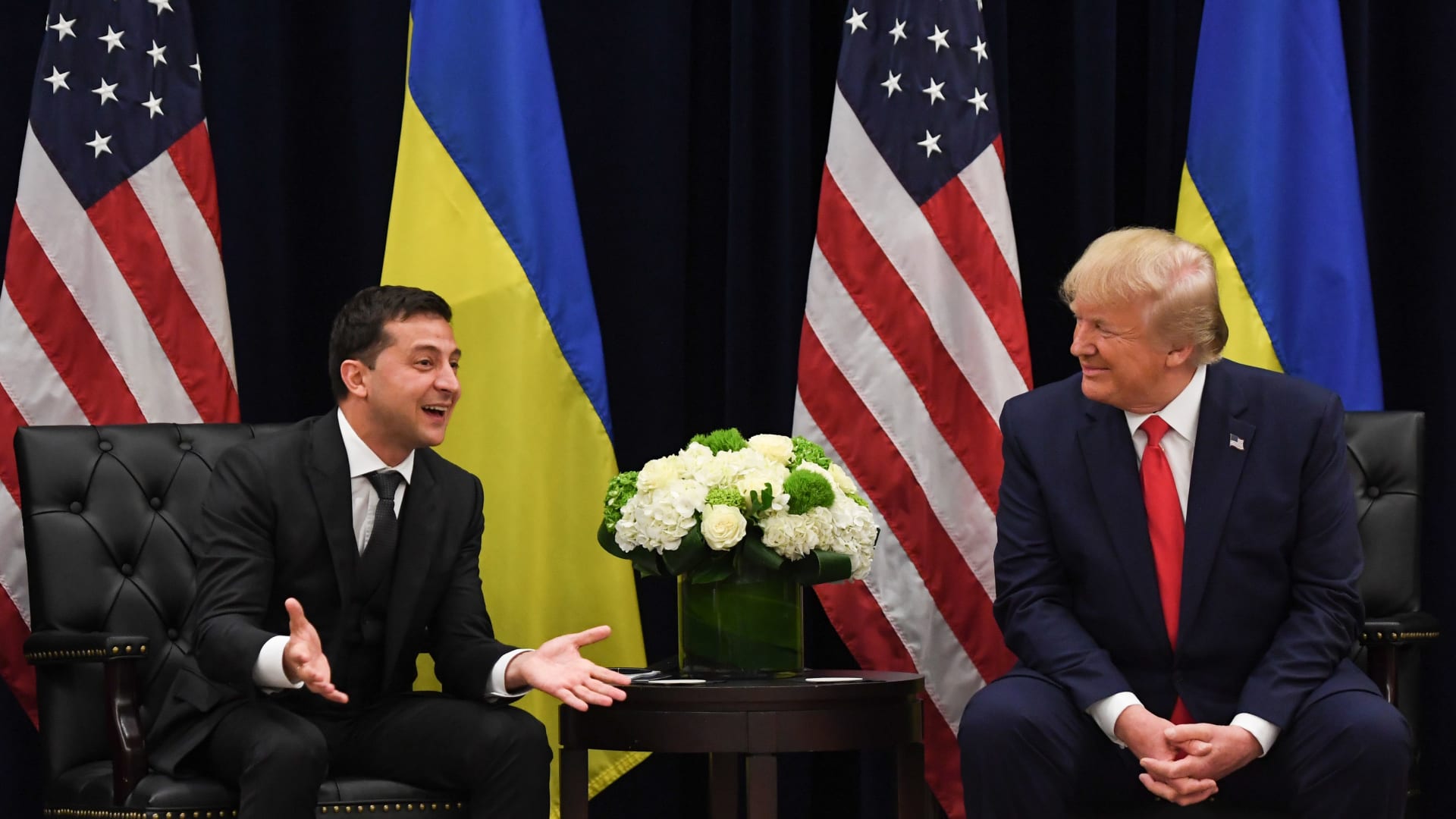
Former U.S. President Donald Trump emphasized that any potential agreement with Iran must align with the interests of the United States and its allies. He made these remarks during a press conference, highlighting the importance of ensuring U.S. national security.
Trump explained that the current U.S. administration must be cautious in dealing with Iran, noting that any agreement should include strict conditions regarding Iran's nuclear program and Tehran's behavior in the region. He also pointed out the necessity for consensus between the United States and its allies, particularly European and Arab nations, to ensure the success of any agreement.
Key Points from the Conference
During the conference, Trump addressed several key points regarding U.S. policy towards Iran. He indicated that the previous administration had laid a strong foundation for addressing Iranian threats, including the imposition of strict economic sanctions. He affirmed that these sanctions were effective in reducing Iran's influence in the region.
He also highlighted the importance of cooperation with U.S. allies in the Middle East, stressing that any agreement must consider the interests of Arab nations that feel threatened by Iranian policies. Trump asserted that the United States would not hesitate to protect its allies from any potential threats.
Background & Context
Trump's statements come at a sensitive time as negotiations continue between Iran and global powers regarding the revival of the nuclear agreement reached in 2015. These talks have faced several complications, especially following the U.S. withdrawal from the agreement in 2018.
Historically, relations between the United States and Iran have been tense, with several crises occurring over the decades. Since the Islamic Revolution in 1979, Iran has been viewed as one of the greatest threats to U.S. national security, leading to the imposition of economic and military sanctions against it.
Impact & Consequences
Trump's remarks underscore the ongoing division in U.S. policy towards Iran, with many observers expressing concern that any agreement may not be sufficient to ensure security in the region. Some suggest that Iran could exploit any concessions to gain further influence.
Moreover, Trump's stance reflects the general trend among some American politicians who believe that pressure on Iran should continue, even if it means not reaching an agreement. This could escalate tensions in the region, especially with Iran's ongoing military activities in Iraq and Syria.
Regional Significance
Trump's statements hold particular importance for Arab countries, as many of these nations are concerned about Iranian expansion in the region. Countries like Saudi Arabia and the UAE have expressed their support for a stringent U.S. policy towards Iran, believing that any agreement must include strong guarantees.
Furthermore, the ongoing tensions between the United States and Iran could impact regional stability, potentially leading to the escalation of existing conflicts. Thus, the U.S. position will have significant implications for regional security.
In conclusion, under these circumstances, the future of U.S.-Iran relations remains uncertain, requiring a delicate balance between American interests and regional security. As negotiations continue, there remains hope for reaching an agreement that ensures peace and stability in the region.