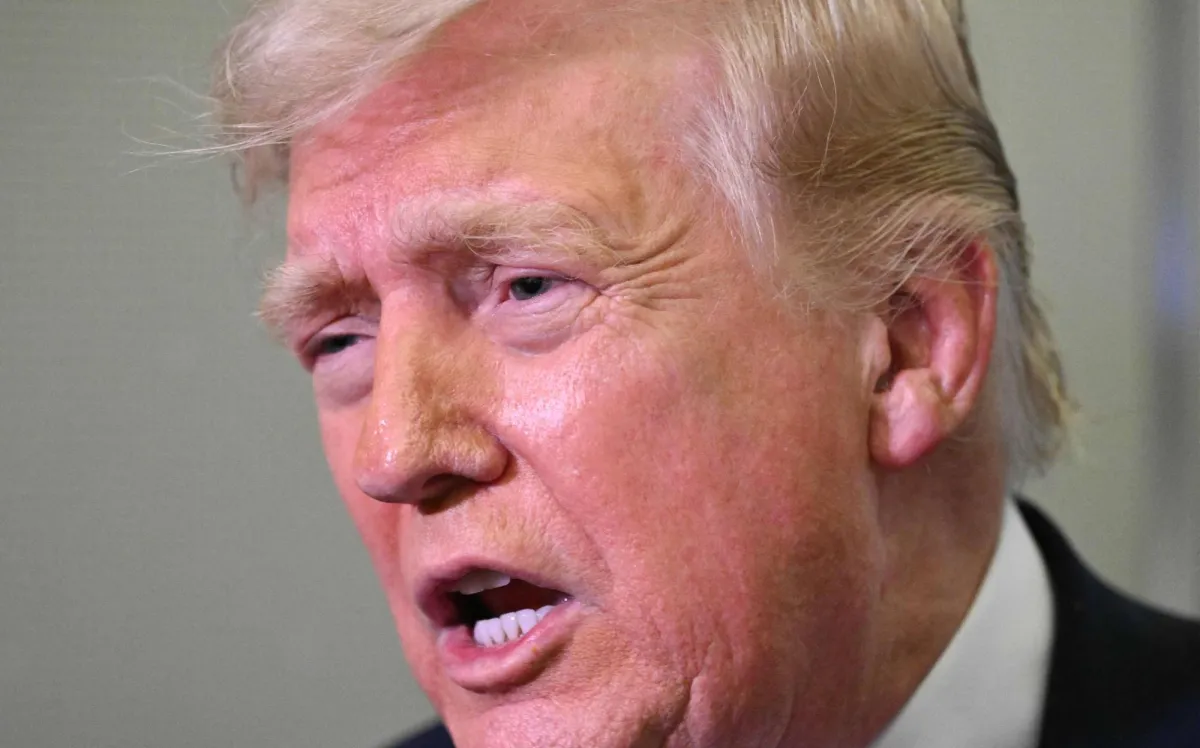
U.S. President Donald Trump announced today that the United States has reached an agreement with Iran permitting the passage of 20 oil tankers through the Strait of Hormuz. This announcement comes at a time when the region is experiencing heightened military tensions, as Tehran has effectively closed the strait since the onset of the conflict in the Middle East, leading to a sharp rise in fuel prices.
During a press conference, Trump stated, "They granted us, out of respect I believe, 20 oil tankers," indicating that these massive vessels will begin their transit through the strait starting tomorrow morning, with the operation expected to last several days.
Details of the Agreement
This move is part of ongoing negotiations between the United States and Iran aimed at resolving the escalating conflict in the region. As tensions rise, political stakes increase for potential candidates to succeed Trump, namely Vice President J.D. Vance and Secretary of State Marco Rubio.
Vance and Rubio are among the leading names being considered as presidential candidates in the upcoming elections, having been thrust into the spotlight during negotiations with Iran. While Vance adopts a cautious stance towards military interventions, Rubio remains a staunch supporter of the current military campaign.
Background & Context
These developments coincide with the approach of the 2028 U.S. presidential elections, as Trump begins to question whom he prefers between Vance and Rubio. Political analysts suggest that the outcomes of the current military operations could significantly impact both candidates' prospects in the upcoming elections.
Recent polls indicate a decline in Trump's approval rating to 36%, the lowest level since his return to the White House, reflecting public concern over rising fuel prices and widespread opposition to war with Iran.
Impact & Consequences
If negotiations succeed and the tankers transit as planned, it could stabilize oil prices in global markets, positively impacting the U.S. economy. However, the continuation of the conflict may exacerbate economic conditions and increase pressure on the U.S. administration.
These developments also serve as a test of Trump's ability to manage foreign crises, as Republicans closely monitor voter reactions to the war with Iran. The success or failure of this military campaign could determine the trajectory of the Republican Party in the next elections.
Regional Significance
The situation in the Strait of Hormuz directly affects neighboring Arab countries, as the strait is a vital artery for oil exports. Any escalation in tensions could lead to increased oil prices, impacting the economies of Arab nations that heavily rely on oil exports.
Moreover, a successful negotiation could help ease tensions in the region, potentially opening avenues for new cooperation between Arab countries and Iran. However, the continuation of the conflict could reignite old disputes and increase instability in the region.
In conclusion, the situation in the Strait of Hormuz remains under scrutiny, as the world watches the outcomes of U.S.-Iran negotiations and their impact on oil markets and regional security.