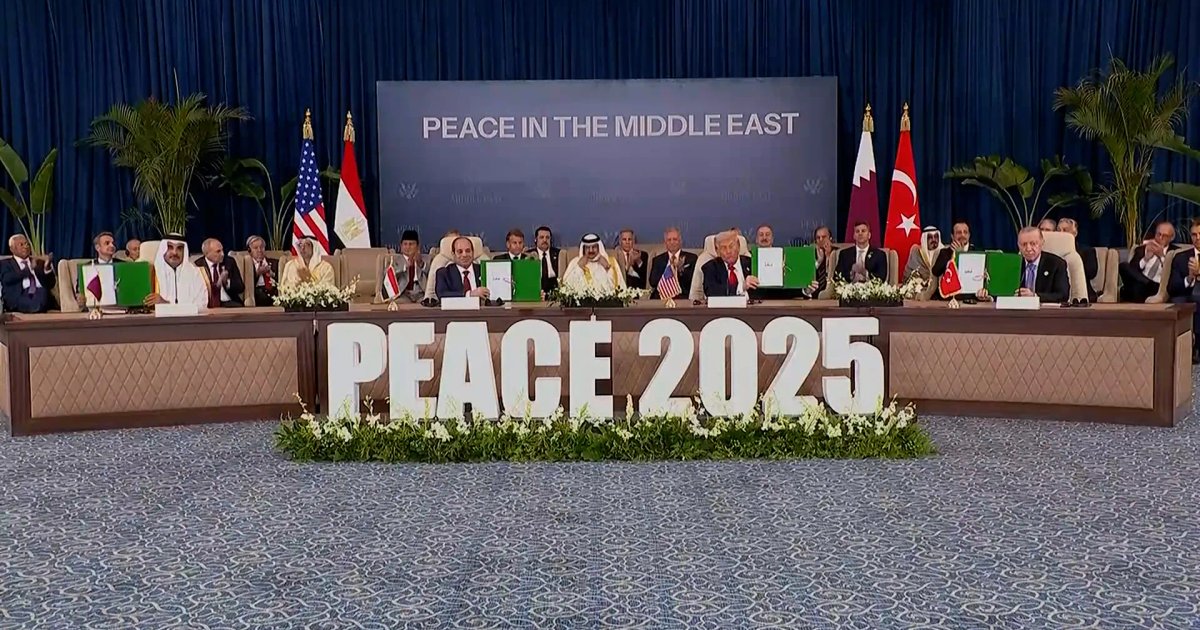
In an unexpected move, U.S. President Donald Trump announced a two-week ceasefire in the ongoing conflict in the Middle East, aiming to ease the tense situation. This initiative comes at a time when Lebanon is experiencing an escalation in fighting, casting doubt on the potential success of this ceasefire.
During a press conference, Trump confirmed that the ceasefire is part of the reopening of the Strait of Hormuz, a crucial corridor for oil transport. Tehran has accepted these conditions but warned that this does not mean the end of the war, increasing concerns about the continuity of the conflict.
Details of the Ceasefire
The ceasefire announced by Trump is seen as a new attempt by the United States to intervene in the ongoing Middle Eastern conflict, which has seen rising tensions between Iran and Israel. This step aims to alleviate tensions, but it may face significant challenges in implementation.
At the same time, France and Spain have expressed their desire for the ceasefire to include Lebanon, where military operations are ongoing. This request reflects European concerns about the implications of the conflict on regional security and highlights the importance of international cooperation in addressing crises in the area.
Background & Context
Historically, the Middle East has witnessed numerous conflicts that have exacerbated humanitarian and political conditions. Since the onset of the conflict in Syria, disputes have spread to neighboring countries like Lebanon, leading to worsening humanitarian crises. The current ceasefire comes amid multiple attempts by the international community to stabilize the situation, yet it faces difficulties due to the complexities of the conflict.
The backdrop of this ceasefire is marked by a series of failed negotiations and ongoing hostilities that have left many civilians in dire conditions. The international community has been striving for peace, but the entrenched positions of the involved parties complicate efforts.
Impact & Consequences
The ceasefire announced by Trump may help reduce tensions in the region, but it might not be sufficient to fully end the conflict. The challenges facing the implementation of this ceasefire are related to trust among the parties involved, as there are still fears that some factions may exploit this period to strengthen their military positions.
Moreover, the continuation of fighting in Lebanon could lead to severe humanitarian repercussions, with civilians bearing the brunt of the conflict's effects. The potential for increased displacement and suffering among the population raises urgent questions about the need for humanitarian aid and intervention.
Regional Significance
The significance of this ceasefire extends beyond immediate military concerns; it also touches on broader geopolitical dynamics in the Middle East. The involvement of major powers like the U.S., Iran, and European nations indicates the complex interplay of interests that define the region.
As the situation evolves, the international community's response will be crucial in shaping the future of peace efforts. The ceasefire could serve as a stepping stone toward more comprehensive negotiations, but its success will depend on the commitment of all parties to uphold the terms and work towards a lasting resolution.