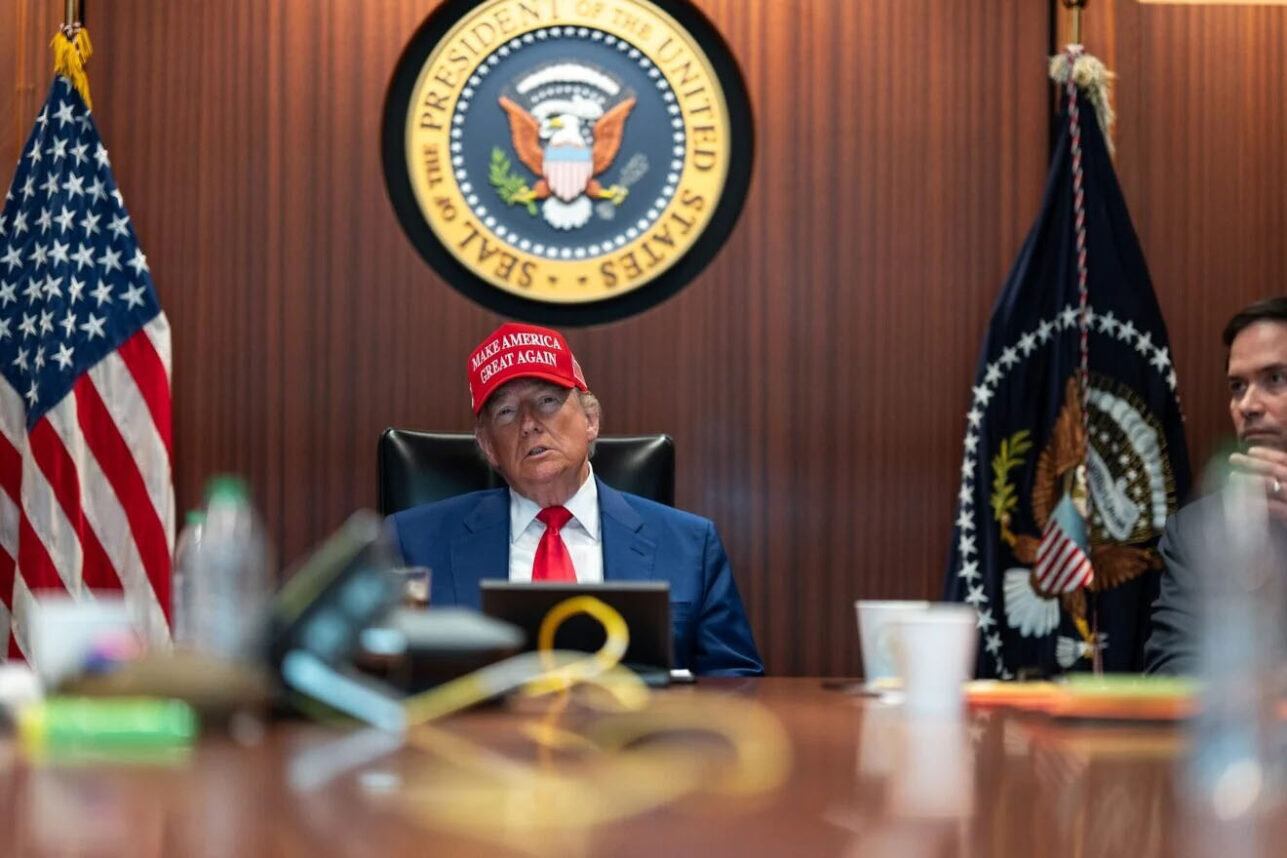
In a move reflecting a notable improvement in U.S.-Iranian relations, White House spokesperson Caroline Levitt confirmed on Wednesday that President Donald Trump has successfully reopened the Strait of Hormuz. This announcement came after Trump's decision to implement a ceasefire with Iran for two weeks, which may contribute to easing tensions in the region.
The Strait of Hormuz, considered one of the world's most important maritime passages, plays a vital role in global trade, with approximately 20% of the world's oil passing through it. In recent years, the strait has witnessed increasing tensions due to disputes between Iran and the United States, negatively impacting the stability of global energy markets.
Details of the Announcement
Levitt clarified that the decision followed extensive consultations with allies and partners in the region, emphasizing the importance of maintaining freedom of navigation in the strait. She also noted that this decision reflects the U.S. administration's commitment to working towards peace and stability in the Middle East.
This step comes after a series of escalatory events between the United States and Iran, including attacks on oil tankers and reciprocal targeting operations, which heightened tensions in the region. However, it appears that the U.S. administration is now seeking to open channels of dialogue with Tehran.
Background & Context
Historically, the Strait of Hormuz has been the stage for numerous political and military crises, witnessing several attempts by Iran to expand its influence in the region. In recent years, tensions escalated following the U.S. withdrawal from the Iranian nuclear deal in 2018, leading to the imposition of severe economic sanctions on Tehran.
In this context, there have been numerous international mediation attempts between the two sides, yet tensions continued to rise. With Trump's announcement of a ceasefire, there may be a new opportunity to resume diplomatic talks.
Impact & Consequences
The reopening of the Strait of Hormuz could have positive effects on global oil markets, as it is expected to stabilize prices after a period of volatility. Additionally, this decision may help alleviate economic pressures on Iran, which is suffering from the effects of sanctions.
Moreover, this development could pave the way for increased cooperation between the United States and its allies in the region, potentially enhancing maritime security and reducing future risks.
Regional Significance
For Arab countries, the reopening of the Strait of Hormuz represents an opportunity to boost trade and investment, especially for Gulf states that heavily rely on oil exports. This development may also contribute to improving relations between Arab nations and Iran, potentially leading to greater stability in the region.
In conclusion, Trump's announcement of a ceasefire and the reopening of the Strait of Hormuz marks a positive step towards achieving peace and stability in a region plagued by ongoing tensions. It remains to be seen how events will unfold in the coming days and whether this step will lead to tangible results in U.S.-Iran relations.