US President Donald Trump announced a surprise ceasefire with Iran on Tuesday, offering a 14-day truce in exchange for the reopening of the strategic Strait of Hormuz. The move comes at a time of heightened tensions in the region, with the US and Iran locked in a bitter dispute over Iran's nuclear program and regional influence.
Trump made the announcement during a press conference, saying the offer aims to reduce military escalation and reflects the US desire for a peaceful resolution to the conflict. He emphasized that the reopening of the vital waterway would contribute to global oil price stability and enhance maritime security.
Key Details
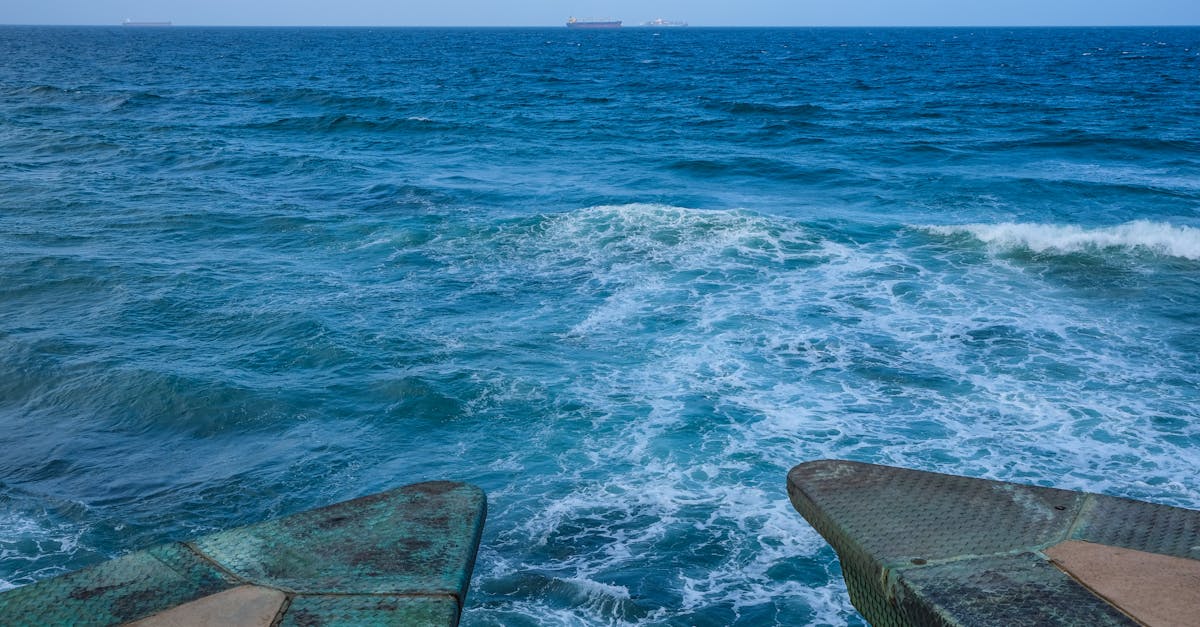
The Strait of Hormuz is a critical waterway, through which around 20% of the world's oil exports pass. In recent years, the strait has witnessed several incidents and military tensions, prompting many countries to express concern over its impact on global markets.
Trump did not specify any additional conditions that Iran would need to meet, but he emphasized that the US would remain prepared to take military action if Tehran fails to respond positively to the offer. This statement comes as international pressure on Iran mounts over its nuclear program and regional behavior.
Background and Context
The US-Iran relationship has experienced significant fluctuations over the years, with periods of cooperation and others marked by tension. Since the US withdrawal from the 2015 nuclear deal in 2018, tensions have escalated, leading to the imposition of strict economic sanctions on Iran.
In recent years, Iran has sought to expand its influence in the region, sparking concern among neighboring countries and the US. However, Trump's announcement of a ceasefire may create new opportunities for diplomacy, despite lingering doubts about Iran's intentions.
Impact and Consequences
If Iran accepts the offer, it could lead to a reduction in tensions in the region, positively affecting global markets. Conversely, a failure to respond could lead to a new escalation of the conflict, negatively impacting oil prices and regional stability.
This move also serves as a test of Trump's foreign policy, as he seeks to achieve diplomatic successes ahead of the upcoming presidential election. Success would bolster his political standing, while failure could weaken his prospects.
Regional Significance
Arab states bordering Iran are cautiously watching this development, as any escalation in tensions could directly affect their security and stability. The Gulf states, in particular, rely heavily on the stability of the Strait of Hormuz to ensure oil flows.
Should an agreement be reached, it could lead to improved relations between Iran and Arab states, contributing to greater regional stability. However, doubts about Iran's intentions will likely persist, making the situation complex.